Hey there! I’m a supplier of Visual Positioning Flatbed Printers, and I know how important it is to get that top – notch printing quality. In this blog, I’ll share some tips on how to optimize the printing quality of your Visual Positioning Flatbed Printer. Visual Positioning Flatbed Printer
Understanding the Basics of Visual Positioning Flatbed Printers
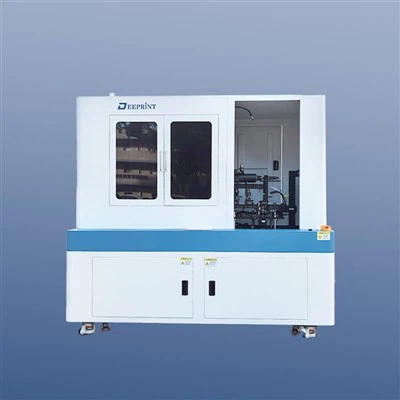
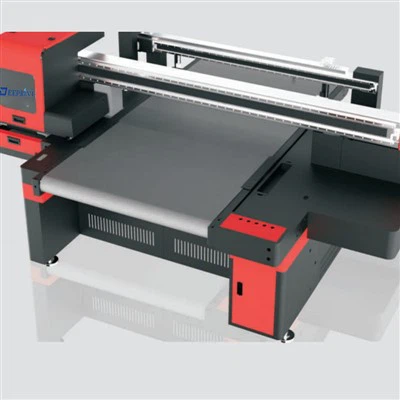
First off, let’s quickly go over what a Visual Positioning Flatbed Printer is. It’s a really cool piece of tech that can print on a variety of flat surfaces, from plastic and wood to glass. The visual positioning feature is super handy as it allows for accurate placement of the design on the material, which is a game – changer when you want high – quality prints.
One of the keys to good printing is having a clear understanding of your printer’s capabilities. Each model has its own set of specifications for resolution, color accuracy, and the types of inks it can use. Check your printer’s manual or contact the manufacturer (like me!) to get all this info.
Preparing the Printing Material
The state of the material you’re printing on matters a whole lot. First, make sure the surface is clean. Any dust, dirt, or grease can mess up the ink adhesion and lead to a blurry or uneven print. You can use a mild cleaning solution and a soft cloth to wipe down the surface. For materials like glass or metal, you might want to use an isopropyl alcohol solution for a more thorough clean.
Next, consider the texture of the material. Some printers work better on smooth surfaces, while others can handle a bit of roughness. If your material has a very rough texture, you might need to use a primer. A primer helps to create a more even surface for the ink to adhere to, resulting in a clearer and more durable print.
Calibrating Your Printer
Calibration is like tuning an instrument for your printer. It ensures that the printer is operating at its best and that the colors and alignment are spot – on. Most Visual Positioning Flatbed Printers come with built – in calibration tools. You can usually find these in the printer’s control panel or software.
Start by calibrating the print head. This involves adjusting the height and position of the print head so that the ink is deposited at the right distance from the material. If the print head is too close, it might scratch the material, and if it’s too far, the print quality will be poor.
Color calibration is also crucial. The colors you see on your computer screen might not be the same as what gets printed. Use a color calibration device to adjust the printer settings so that the printed colors match what you expect. This will make your prints look more vivid and true – to – life.
Choosing the Right Inks
The type of ink you use can have a huge impact on the printing quality. There are different types of inks available, such as UV – curable inks, solvent – based inks, and water – based inks.
UV – curable inks are really popular because they dry quickly when exposed to UV light. This means that you can start working with the printed material right away, and the prints are resistant to fading and scratching. Solvent – based inks are great for printing on materials like vinyl and outdoor signs. They are durable but can emit strong fumes, so make sure you have proper ventilation. Water – based inks are more eco – friendly and are suitable for printing on fabrics and paper.
When choosing inks, make sure they are compatible with your printer and the material you’re using. Using the wrong ink can lead to issues like clogging, poor adhesion, and color inaccuracies.
Maintaining Your Printer
A well – maintained printer is more likely to produce high – quality prints. Regular maintenance tasks include cleaning the print head, replacing the ink cartridges, and checking the internal components for any signs of wear or damage.
Cleaning the print head is essential to prevent clogging. You can use a print head cleaning solution or follow the cleaning procedure outlined in your printer’s manual. Most printers have a self – cleaning feature, but it’s still a good idea to do a manual clean every once in a while.
Replace the ink cartridges when they are running low. Using an almost – empty cartridge can cause the printer to work harder and result in uneven printing. And always make sure to use genuine ink cartridges recommended by the printer manufacturer.
Check the internal components of the printer, such as the belts, rollers, and sensors, for any signs of damage or misalignment. If you notice any issues, it’s best to get them fixed as soon as possible. A small problem can quickly turn into a big one and affect the printing quality.
Software and Design Considerations
The software you use to design your prints also plays a role in the final quality. Make sure you’re using up – to – date software with all the latest features and bug fixes. Many Visual Positioning Flatbed Printers come with their own software that’s optimized for the printer’s capabilities.
When designing your prints, pay attention to the resolution. Higher resolution designs will result in sharper prints. A good rule of thumb is to use a resolution of at least 300 DPI (dots per inch). This will ensure that the details in your design are clear and well – defined.
Also, consider the color mode of your design. Most printers work best with the RGB color mode, but some might support CMYK as well. Make sure to convert your design to the appropriate color mode before printing to avoid color discrepancies.
Testing and Troubleshooting
Before you start a large – scale printing project, it’s always a good idea to do a test print. This will allow you to check the color accuracy, alignment, and overall print quality. You can make any necessary adjustments based on the test print results.
If you encounter any issues with the print quality, don’t panic. Start by checking the basics, such as the ink levels, print head alignment, and material preparation. If the problem persists, refer to the printer’s troubleshooting guide or contact the manufacturer’s customer support. They can usually provide you with more specific solutions based on the printer model and the issue you’re facing.
Conclusion
Optimizing the printing quality of a Visual Positioning Flatbed Printer involves a combination of proper material preparation, printer calibration, ink selection, maintenance, and software considerations. By following these tips, you can ensure that your prints are of the highest quality, whether you’re printing small promotional items or large – scale signage.
Flatbed Printer If you’re in the market for a Visual Positioning Flatbed Printer or need more advice on optimizing your current printer’s performance, don’t hesitate to reach out. I’m here to help you get the most out of your printing equipment and achieve amazing results.
References
- Manufacturer’s Manuals for Visual Positioning Flatbed Printers
- Industry Publications on Printing Technology
- Online Forums and Communities for Printing Professionals
Shenzhen Deeprint Technology Co., Ltd.
As one of the most professional visual positioning flatbed printer manufacturers and suppliers in China, we’re featured by quality products and good service. Please rest assured to buy customized visual positioning flatbed printer made in China here from our factory. Contact us for free sample.
Address: 6-1, Huangwu Road, Tongle Community, Baolong Street, Longgang District, Shenzhen City 518100,China.
E-mail: ellen@uvdprint.com
WebSite: https://www.uvd-print.com/
