Acidulants are a crucial ingredient in the food industry, playing a significant role in not only enhancing flavor but also influencing the texture of various food products. As a supplier of high – quality acidulants, I have witnessed firsthand how these substances can transform the mouthfeel and consistency of foods. In this blog, I will delve into the ways acidulants impact food texture, exploring the science behind it and providing real – world examples. Acidulants
The Science of Acidulants and Food Texture
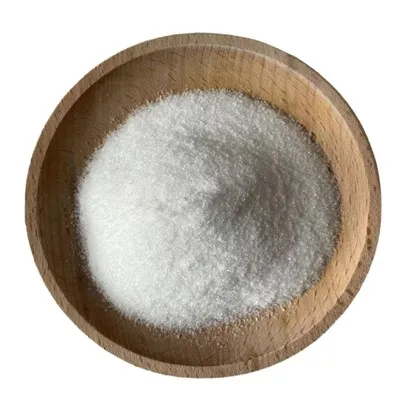
Acidulants are substances that increase the acidity or lower the pH of a food product. Common acidulants used in the food industry include citric acid, lactic acid, acetic acid, and malic acid. These acids can interact with other components in food, such as proteins, starches, and fats, to alter the texture.
Protein Denaturation and Coagulation
One of the primary ways acidulants affect food texture is through protein denaturation and coagulation. Proteins are long chains of amino acids that have a specific three – dimensional structure held together by various chemical bonds. When an acidulant is added to a food system containing proteins, the decrease in pH can disrupt these bonds.
For example, in the production of cheese, lactic acid produced by lactic acid bacteria or added directly as an acidulant plays a vital role. As the pH drops, the milk proteins, mainly casein, start to denature. The negatively charged casein micelles lose their stability and begin to coagulate. This coagulation leads to the formation of a curd, which is the basis for cheese. The texture of the cheese can be controlled by adjusting the amount and type of acidulant used. A milder acidulant or a slower acidification process may result in a softer, more spreadable cheese, while a stronger acidulant or a rapid drop in pH can produce a firmer, more crumbly cheese.
In the case of egg – based products, such as custards, the addition of an acidulant like lemon juice (which contains citric acid) can cause the egg proteins to denature at a lower temperature. This can lead to a smoother and creamier texture. The acid helps to break down the protein structure in a more controlled way, preventing the formation of large, tough protein clumps.
Starch Gelatinization and Retrogradation
Acidulants also have an impact on starch, another important component in many food products. Starch is a polysaccharide composed of amylose and amylopectin. When starch is heated in the presence of water, it undergoes gelatinization, a process where the starch granules absorb water, swell, and lose their crystallinity.
Acid can affect the gelatinization process. For instance, in the production of sauces and gravies thickened with starch, the addition of an acidulant can lower the temperature at which starch gelatinization occurs. This can result in a thinner initial consistency as the starch granules swell more rapidly. However, during storage, acidulants can also influence starch retrogradation. Retrogradation is the process by which starch molecules reassociate and form a more ordered structure over time, leading to crystallization and a change in texture, such as syneresis (the separation of liquid from the gel) or a harder texture.
By carefully controlling the type and amount of acidulant, food manufacturers can adjust the balance between starch gelatinization and retrogradation. For example, in the production of canned fruits in syrup thickened with starch, a small amount of citric acid can help to prevent excessive retrogradation during storage, maintaining a smooth and consistent texture.
Emulsion and Foam Stability
Acidulants can enhance the stability of emulsions and foams. An emulsion is a mixture of two immiscible liquids, such as oil and water, and a foam is a dispersion of gas in a liquid or solid. Proteins and other surface – active agents play a crucial role in stabilizing these systems.
The addition of an acidulant can change the charge and conformation of these surface – active agents. For example, in mayonnaise, which is an oil – in – water emulsion, the addition of vinegar (a source of acetic acid) helps to lower the pH. This change in pH can cause the proteins in the egg yolk (the emulsifying agent) to adopt a more favorable conformation, increasing their ability to form a stable film around the oil droplets. As a result, the mayonnaise has a thicker, more stable texture and is less likely to separate over time.
In whipped cream, the addition of a small amount of tartaric acid can also improve foam stability. The acid helps to adjust the pH of the cream, which affects the properties of the milk proteins. The proteins can then form a stronger network around the air bubbles, preventing them from coalescing and resulting in a firmer, longer – lasting foam.
Real – World Examples of Acidulants and Food Texture
Bakery Products
In the bakery industry, acidulants are used to improve the texture of various products. For example, in the production of bread, the addition of an acidulant like ascorbic acid (vitamin C) can act as a dough conditioner. It helps to strengthen the gluten network in the dough. Gluten is a protein complex formed by the combination of gliadin and glutenin. The acid causes the gluten molecules to form more cross – links, resulting in a more elastic and extensible dough. This leads to bread with a better volume, a finer crumb structure, and a longer shelf – life.
In cakes, cream of tartar (an acidulant) is often added to the egg whites during whipping. The acid helps to denature the egg white proteins more quickly and stabilizes the foam. This results in a lighter, fluffier cake with a more delicate texture.
Beverages
In carbonated beverages, acidulants such as citric acid and phosphoric acid are used not only for flavor but also for texture. These acids help to adjust the pH of the beverage, which can affect the solubility of carbon dioxide. A slightly acidic pH can enhance the carbon dioxide retention, resulting in a more effervescent and refreshing mouthfeel.
In fruit juices, acidulants can be used to improve the texture. For example, in orange juice, a small amount of malic acid can be added to enhance the natural acidity and give the juice a brighter, crisper taste. It can also help to maintain the stability of the juice, preventing the separation of pulp and sediment and providing a smooth and consistent texture.
Meat and Seafood Products
In the meat and seafood industry, acidulants are used for various texture – related purposes. In marinating meat, an acidulant like acetic acid in vinegar can help to tenderize the meat. The acid breaks down the connective tissues in the meat, making it more tender and juicy.
In the processing of seafood, such as shrimp and crab, acidulants can be used to control the texture. For example, lactic acid can be used in the precooking or peeling process of shrimp. The acid helps to loosen the shell from the meat and can also improve the firmness and texture of the cooked shrimp.
Selecting the Right Acidulant for Texture Control
As a supplier of acidulants, I understand the importance of selecting the right acidulant for a specific food application. Here are some factors to consider:
Flavor Compatibility
The flavor of the acidulant should be compatible with the overall flavor profile of the food product. Citric acid has a fresh, tart flavor that is well – suited for many fruit – based products. Acetic acid in vinegar has a sharp, pungent flavor that is commonly used in pickled products and some savory dishes. Lactic acid has a milder, more lactic flavor and is often used in dairy products and fermented foods.
Acidity and pH – Adjusting Capacity
Different acidulants have different acid strengths and pH – adjusting abilities. For products that require a rapid drop in pH, such as cheese – making, a strong acidulant like lactic acid may be more appropriate. For products where a more gradual pH change is needed, a weaker acidulant or a combination of acidulants may be used.
Reactivity with Other Ingredients
The acidulant should not react negatively with other ingredients in the food product. For example, in products containing metal ions, some acidulants may cause discoloration or off – flavors if they react with the metals. It is important to test the compatibility of the acidulant with all the ingredients in the formulation.
Regulatory Considerations
Food products must comply with regulatory standards regarding the use of acidulants. Different countries and regions may have different limits on the amount of acidulants that can be used in certain food categories. It is essential to ensure that the selected acidulant and its usage level meet the relevant regulations.
Conclusion
Acidulants have a profound impact on the texture of food products. By understanding the science behind how acidulants interact with proteins, starches, and other components in food, food manufacturers can use these substances to create products with the desired mouthfeel, consistency, and stability.
Antioxidants As a reliable supplier of high – quality acidulants, we are committed to providing our customers with the best solutions for their texture – control needs. Whether you are in the bakery, beverage, meat, or dairy industry, we have the expertise and the range of acidulants to help you achieve the perfect texture for your products. If you are interested in learning more about our acidulant products or have specific requirements for your food formulations, we invite you to contact us to start a procurement discussion. We look forward to working with you to create delicious and high – quality food products.
References
- Fennema, O. R. (1996). Food Chemistry (3rd ed.). Marcel Dekker.
- Potter, N. N., & Hotchkiss, J. H. (1995). Food Science (5th ed.). Chapman & Hall.
- Heldman, D. R., & Lund, D. B. (Eds.). (2007). Handbook of Food Engineering (3rd ed.). CRC Press.
Fudijia (Tianjin) Supply Chain Co., Ltd.
With abundant experience, we re one of the most professional acidulants manufacturers and suppliers in China. We warmly welcome you to wholesale bulk high quality acidulants made in China here from our factory. For more information, contact us now.
Address: 301-2-1C,Jin Bin Jie Zuo,No.98, Huanghai Road,TEDA, Tianjin, China
E-mail: foodchem@hjlfoods.com
WebSite: https://www.ifoodchem.com/
