What is the Hardness of Structural Adhesive?
As a supplier of structural adhesives, I often encounter clients who are curious about the concept of hardness in structural adhesives. Hardness is a crucial property that significantly impacts the performance and suitability of these adhesives for various applications. In this blog, I’ll delve deep into what the hardness of structural adhesives means, its importance, how it’s measured, and factors that influence it. Structural Adhesive
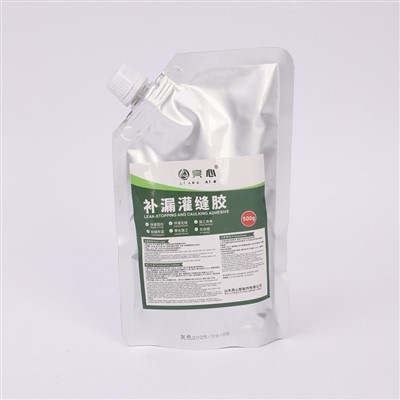
Understanding the Concept of Hardness in Structural Adhesives
The hardness of a structural adhesive refers to its resistance to indentation, scratching, or deformation when a force is applied to its surface. Unlike the strength of an adhesive, which generally refers to its ability to hold two materials together, hardness is more about the adhesive’s physical property at a microscopic level. A hard adhesive can withstand wear and tear better, resist abrasion, and maintain its shape under pressure.
Think of it this way: when you use a structural adhesive to bond two metal parts in a high – stress environment, a harder adhesive will be less likely to get scratched or dented by small particles or vibrations. This is especially important in industries such as automotive, aerospace, and heavy machinery, where components are constantly exposed to harsh conditions.
Importance of Hardness
The hardness of a structural adhesive plays a vital role in determining its functionality and longevity in different applications.
In the automotive industry, for instance, structural adhesives are used to bond parts like body panels, frames, and interior components. A hard adhesive ensures that these joints can withstand the mechanical stress from vibration, impact, and temperature changes during driving. This not only enhances the structural integrity of the vehicle but also contributes to its safety.
In the construction sector, when using structural adhesives for bonding building materials such as concrete, steel, or wood, a hard adhesive provides excellent resistance to environmental factors, including moisture, wind, and UV radiation. This improves the overall durability of the building structure and reduces the need for frequent maintenance.
Moreover, in the electronics industry, harder adhesives are preferred to protect delicate components from mechanical damage. They can also provide better support for printed circuit boards (PCBs), helping to prevent cracking and other forms of damage during handling and operation.
Measuring the Hardness of Structural Adhesives
There are several methods to measure the hardness of structural adhesives, and the choice of method depends on the type of adhesive and the specific requirements of the application.
One of the most common methods is the Shore hardness test. This test uses a durometer, which is a device that measures the indentation resistance of a material. There are different types of Shore durometers, such as Shore A and Shore D. Shore A is typically used for softer materials, like rubber – like adhesives, while Shore D is used for harder materials, such as those with a more rigid and plastic – like consistency.
Another method is the Barcol hardness test. This test uses a Barcol impressor to make a small indentation in the adhesive surface. The hardness value is then determined by measuring the depth of the indentation. The Barcol hardness test is often used for fiberglass – reinforced plastics and composites bonded with structural adhesives.
The Rockwell hardness test is also used in some cases, especially for very hard adhesives or when higher precision in hardness measurement is required. This test involves applying a minor load followed by a major load using an indenter, and the hardness is calculated based on the difference in indentation depth between the two loads.
Factors Influencing the Hardness of Structural Adhesives
The hardness of a structural adhesive is influenced by several factors, including its chemical composition, curing process, and environmental conditions.
Chemical Composition: The type and ratio of the resin and hardener in the adhesive formulation have a significant impact on its hardness. For example, epoxy – based structural adhesives are known for their high hardness and strength. Epoxy resins have a three – dimensional cross – linked structure when cured, which provides excellent resistance to deformation. In contrast, some polyurethane – based adhesives may have a more flexible and softer nature, depending on their formulation.
Curing Process: The way the adhesive cures can also affect its hardness. Factors such as curing temperature, curing time, and humidity can all play a role. Generally, higher curing temperatures and longer curing times result in a harder adhesive. For example, if an epoxy adhesive is cured at a higher temperature than the recommended range, it may become overly hard and brittle, which can be detrimental to its performance in some applications. On the other hand, if curing is incomplete, the adhesive may not reach its optimal hardness and strength.
Environmental Conditions: Exposure to different environmental factors can change the hardness of a structural adhesive over time. For example, prolonged exposure to high temperatures can cause some adhesives to soften, while continuous exposure to moisture can lead to swelling and a decrease in hardness. UV radiation can also degrade the chemical structure of some adhesives, resulting in a change in their hardness and other properties.
Matching the Right Hardness to the Application
As a structural adhesive supplier, one of our key tasks is to help our clients select the right adhesive with the appropriate hardness for their specific applications. To do this, we need to understand the requirements of the project, including the type of materials to be bonded, the operating environment, and the expected stress and load conditions.
For low – stress applications where flexibility is more important, such as bonding gaskets or sealing joints, a softer adhesive with a lower Shore A hardness may be the best choice. These adhesives can conform to irregular surfaces and absorb vibrations without cracking.
In high – stress applications, such as bonding critical components in aerospace structures or heavy – duty machinery, a harder adhesive with a high Shore D or Barcol hardness is usually required. These adhesives can provide the necessary strength and durability to withstand extreme forces and harsh environments.
Conclusion
In summary, the hardness of structural adhesives is a fundamental property that has a profound impact on their performance and suitability for different applications. Understanding what hardness means, how it’s measured, and the factors that influence it is essential for both suppliers and users of these adhesives.
As a reliable structural adhesive supplier, we are committed to providing high – quality products with the right hardness to meet the diverse needs of our clients. Whether you are working on a high – tech electronic project or a large – scale construction project, we have the expertise and products to support you.
Neutral Silicone Glass Glue If you are interested in our structural adhesive products and want to discuss your specific requirements, please feel free to contact us. Our professional team is ready to assist you in selecting the most suitable adhesive for your application and provide you with comprehensive technical support.
References
- ASTM International. (2018). Standard Test Methods for Rubber Property – Durometer Hardness. ASTM D2240 – 15e1.
- ISO 868:2003, Plastics and ebonite — Determination of indentation hardness by means of a durometer (Shore hardness).
- Barcol Impressor Manual, Barber – Coleman Company.
- Rockwell Hardness Testing Standards, Society of Automotive Engineers (SAE).
Shandong Liangxin Adhesives Co., Ltd.
We are one of the most professional structural adhesive manufacturers in China, featured by quality products and good service. Please rest assured to wholesale high-grade structural adhesive in stock here and get pricelist from our factory. We also accept customized orders.
Address: Industrial Park, Jiudu Sub-district, Hedong District, Linyi City, Shandong Province, China
E-mail: 15253909280@139.com
WebSite: https://www.liangxinglue.com/
