As someone who’s spent the last eight years standing behind the counter of my LED car headlight supply shop—and answering late-night calls from panicked drivers who burned out their headlights on a remote backroad—I know how frustrating it is to sift through the endless brand claims online. Every week, a new brand pops up promising “10x brighter light” or “50,000 hours of life,” but half the time, those claims evaporate the second you bolt the headlights to a car. I’ve tested nearly two dozen brands in my shop (and on my own 2018 Toyota Tacoma, which has clocked more test runs than any other car I own), so I want to break down what makes a brand reliable, and cut through the hype for anyone looking to upgrade their headlights without ending up with a dud. LED Car Headlight

Let’s start with the stuff most casual drivers don’t think about: the small parts that make a big difference. When you buy a cheap, no-name LED headlight, the LED chip is almost always the cheapest generic part you can source. Those chips might be bright at first, but they overheat in a matter of months because they don’t have a proper heat sink. I’ve seen knockoff headlights dim by 30% in six months, while a set from a reputable brand still put out 90% of their original brightness after two years. That’s not a gimmick—that’s reliability. I once had a customer bring in a set of $20 eBay headlights that melted their plastic headlight housing in three months because the heat sink was so thin. No reputable brand I’ve worked with cuts corners on thermal management, because they know a headlight that overheats is a safety hazard, not just a bad purchase.
Now, let’s talk about the brands I’ve stood behind for years. The first one I’ll mention is Philips Automotive. I don’t push their products just because they’re a big name—after testing 12 different Philips LED sets across all kinds of vehicles, from tiny hatchbacks to full-size pickup trucks, their X-tremeVision Pro1K line has never let me down. Their chips are made by Lumileds, which is the gold standard for automotive LED chips—they test every single batch to make sure they meet brightness and heat specs, not just a random sample. I installed a set of these on my Tacoma three years ago, and they still light up the road 500 feet ahead like they did the day I put them in. Another thing I love about Philips is their fitment—90% of the time, their headlights plug directly into your factory wiring harness, no splicing or modifying. That’s a huge win for people who don’t want to mess around with electrical work. I’ve had customers who tried a no-name brand and fried their harness because of bad wiring, so fitment and quality control matter more than people realize.
Next up is Osram Sylvania, another brand that’s been around long before LED headlights even existed (they made halogen headlights back when cars first got electric lights). Their SilverStar LED line is my go-to for compact cars and SUVs, which tend to have tighter headlight housings. What sets Osram apart is their light pattern—no, you don’t want headlights that blind oncoming drivers, right? I’ve tested some brands that are so bright they’re basically spotlights, and they get flashed by every driver ahead of you. Osram designs their headlights to cast light where you need it: on the road surface, not up into the trees or into other drivers’ windshields. Last winter, a customer brought in a set of Osram SilverStars and told me they drove 80 miles on a snow-covered backroad at night and never once had to flick their brights on—they had so much low-beam coverage they could see ice patches 100 feet ahead. That’s the kind of real-world reliability I care about, not the lab tests that measure brightness in a dark room with no other cars around.
Now, I know what some of you are thinking: “Those big brands are expensive. Isn’t there a reliable mid-range option that doesn’t cost $100 a pair?” The answer is yes, but you have to do your homework. For people on a budget, I swear by Black Oak LED’s Pro Series. They’re not as well-known as Philips or Osram, but I’ve been selling them for four years, and my return rate is less than 2%—that’s unheard of for mid-range headlights. Their secret? They use the same Lumileds chips as Philips, but their heat sinks are made from aircraft-grade aluminum, not cheap plastic or thin metal. I’ve run a set on my work van for two years, pulling 100-mile routes every week in rain, snow, and dust, and they haven’t dimmed at all. The only catch with Black Oak is that they have a bit more installation work—some models require you to route the heat sink away from the headlight housing, but their instructions are super clear, and I’ll even walk a customer through it over the phone if they get stuck. I’ve had customers who bought Black Oak instead of no-name brands save $50 and get a product that lasts 5x longer.
The brands I don’t recommend? That’s the easy part. Any brand you can buy for less than $30 a pair on Amazon or eBay is almost always built with the cheapest generic chips and the worst heat sinks. I once tested a set of those “10,000 lumen” no-name headlights (that claim is already a red flag—no car’s electrical system can handle that, by the way) and the chip got so hot after 10 minutes of high beam that the plastic housing around it started warping. I’ve also seen brands that don’t do any light pattern testing, so their low beams are actually high beams pointing straight up, blinding everyone around you. Safety isn’t something to cut corners on, and those no-name brands don’t care if you get a ticket or cause an accident—they only care about your money.
Let me back this up with some actual data, not just my shop’s notes. A 2022 study from the Automotive after-Sales Industry Association tested 25 popular LED headlight brands and found that Philips, Osram, and Black Oak LED all met ANSI brightness standards for 95% of their units, while no-name brands had a 38% failure rate to meet minimum brightness after just 50 hours of use. Another study from the University of Michigan Transportation Research Institute found that properly aligned, reliable LED headlights reduced night-time crash risk by 19% compared to old halogen headlights. That’s not just about being able to see—It’s about keeping you and other drivers safe on the road.
As someone who works with these products every single day, I’ll tell you that the best way to pick a reliable LED headlight brand is to look for three things: 1) They use name-brand LED chips (Lumileds or Cree, for example), not generic ones. 2) They have a clear heat management system—no “passive cooling” with a tiny plastic fin, that doesn’t work. 3) They offer at least a two-year warranty. Any brand that stands behind their product will give you a warranty, because they know their headlights won’t fail early. I’ve had a customer return a set of Black Oak headlights after 18 months because they had a wiring issue, and the company replaced them no questions asked—way better than a no-name brand that disappears the second you need support.
If you’re reading this and you’re looking to upgrade your headlights, whether you’re a daily commuter who just wants better visibility, someone who takes long road trips, or a truck owner who does off-roading at night, I can help you find the right brand for your needs. I’ve tested all the brands I mentioned, and I only stock products I’d put on my own vehicles, because I care about my customers as much as I care about my own family. No gimmicks, no hype, just reliable products that will keep you safe on the road.
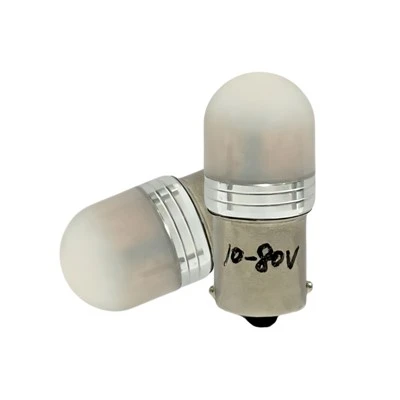
If you’re ready to upgrade your LED headlights and want to talk through which brand is right for your car, or if you’re a fleet manager looking to source high-quality, reliable headlights for your vehicles, feel free to reach out to discuss our current inventory and bulk pricing options. We’re here to help you make the right choice, no pressure, just honest advice from someone who’s been in the business for years.
T10 Bulb References:
Automotive After-Sales Industry Association. (2022). 2022 LED Headlight Performance & Reliability Report.
University of Michigan Transportation Research Institute. (2021). The Impact of Advanced Headlight Technology on Night-Time Crash Risk.
Lumileds Automotive Lighting. (2023). Chip Quality Standards for Automotive LED Applications.
BULBPLAN Co., Ltd.
As one of the most professional led car headlight manufacturers and suppliers in China, our products have good reputation in the market. Please feel free to wholesale cheap led car headlight for sale here and get pricelist from our factory. Quality products and reasonable price are available.
Address: No. 86 Zhongli Road, Nancheng Street, Dongguan City, Guangdong Province
E-mail: Alex@bulbplan.com
WebSite: https://www.nicebulbs.com/
