Hey guys, let’s cut to the chase—if you’re a new plant parent or even a seasoned grower with a bunch of potted plants scattered on your balcony, patio, or windowsill, you’ve definitely asked this: Can I just grab my regular garden hose to water those pots? I get it, why would you buy a separate, fancy watering can or nozzle when you’ve already got a hose lying around? As a garden hose supplier who’s talked to hundreds of folks about their watering woes, I’m here to break this down straight—no weird jargon, no marketing fluff, just what actually works for your potted green buddies. Garden Hose

First off, let’s get the basics right: Potted plants aren’t the same as a garden bed. In the ground, roots spread out deep, so water can seep down slowly and evenly. But in a pot? Roots are cramped into a small space, and all that water has nowhere to go except out the drainage holes if you overdo it, or pool on top if you spray too hard. That’s where a regular garden hose could go wrong fast—if you just turn the faucet on full blast and hold the hose right up to the soil, you’re basically blasting away the topsoil, damaging delicate roots, and either underwatering (since water runs off before it sinks in) or overwatering (sending too much straight to the bottom without letting the soil absorb it).
Wait, but that doesn’t mean you can’t use a hose at all—you just need to adjust how you use it. Let’s talk about the biggest issue people face with standard hoses: water pressure. A lot of regular garden hoses have really strong pressure when the faucet’s cranked all the way, especially if you’re using a long hose that’s not kinked. For potted plants, you need low, gentle pressure—like a soft rain, not a fire hose. That’s where a nozzle attachment comes in, and before you go think “that’s an extra cost,” as a supplier, I’ll tell you: we’ve got cheap, durable nozzles that screw right onto any standard hose, no fancy setup needed. The key is to look for a nozzle with a “mist” or “shower” setting, not just a “jet” or “full stream.” I’ve seen so many customers grab a jet setting and wonder why their basil plants looked like they’d been hit by a hurricane—easy fix, swap the setting.
Another common mistake: not paying attention to how close you hold the hose to the pot. If you’re standing 5 feet away and blasting, most of the water is evaporating before it even hits the pot, or it’s hitting the sides and running off. Hold the hose nozzle 6 to 12 inches above the soil line, not the plant leaves—wait, hold on, I’ve heard people say you shouldn’t water leaves, right? That’s a myth for most houseplants and potted veggies, by the way. Foliar watering is fine, but too much on fuzzy leaves (like African violets) can cause rot, but for tomatoes, herbs, or succulents? A little water on the leaves isn’t a big deal. Just make sure you’re focusing on the soil where the roots are, not just the top growth.
Now, what about different types of potted plants? Let’s break that down, because not all pots are created equal, and not all plants have the same watering needs. If you’ve got small pots (like 6-inch succulent pots) or hanging baskets, you can totally use a hose, but you’ve got to go even gentler. Succulents and cacti hate wet feet, so you don’t want to drench the soil—so a mist setting on your hose works perfectly here, letting just enough water seep through without pooling at the bottom. For medium pots (like 10-inch tomato pots on your patio), a shower setting is ideal—slow, steady water that sinks in without washing away soil.
What about large, big pots (like 15-inch or bigger for fruit trees or large houseplants)? Those can actually handle a bit more pressure, but you still don’t want to blast. I recommend inserting the hose end into the soil’s top layer a little (just a couple inches deep, don’t damage roots) and letting it run slowly for a minute or two. That way, the water gets straight to the root ball, not evaporating or running off the edges of the pot. I’ve had a customer with a 2-foot citrus tree in a pot tell me switching to this method with their regular hose made a huge difference—they used to only water the top inch, so the roots were dry lower down, and the tree was dropping leaves. Now, they just stick the hose in, low pressure, and the tree’s thriving.
Wait, but hold on—are there any times you definitely shouldn’t use a garden hose on potted plants? Let’s talk about hard water. If your tap water is super hard (high in minerals like calcium and magnesium), using a hose directly from the faucet could build up salt in the pot soil over time. That’s bad because it can make roots burn and stunt growth. If you’ve got hard water, what can you do? Two easy fixes: either let the water sit in a bucket for 24 hours before watering (let’s the minerals evaporate a little), or invest in a hose filter. We sell affordable hose filters that attach right between your hose and nozzle, which cut down on mineral buildup and even remove chlorine, which is bad for sensitive plants like orchids. No need to buy a whole new water system—just a $15 filter does the trick.
Another thing: cold water. If you’re watering in the middle of winter, or with really cold tap water in the morning, ice-cold water can shock plant roots, especially for tropical plants. So instead of using straight hose water straight from the faucet, let the water run for 30 seconds first— that’s a quick fix to warm up the water a little, and it also flushes out any stale water that’s been sitting in the hose (yep, hoses can have bacteria or mold if they’re stored away for months, that’s a real thing). We always tell customers to run their hose for a bit before using it on plants, especially if it’s been sitting in the garage over the off-season.
Now, let’s address the elephant in the room: “Should I just use a watering can instead?” I get why people ask—watering cans are small, easy to control. But here’s the thing: if you’ve got 20+ potted plants, a watering can takes forever. With a hose, you can water the whole patio in 5 minutes, as long as you’re using the right settings. The only time a watering can is better is if you’ve got tiny, delicate seedlings—for those, even a gentle hose setting might be too strong, so a small spout on a watering can works better. But for mature potted plants, a hose is totally fine, as long as you’re using it correctly.
As a hose supplier, I also get asked a lot: “Do I need a special hose for potted plants?” Nope, not really. A standard 50-foot lightweight hose works just as well as a more expensive “plant-specific” hose. The only thing to think about is kinking—if you’re dragging your hose around a lot to reach all your pots, a hose with a flex-resistant design is worth it (we make those, fyi, they don’t kink as easily so you don’t have to stop to untangle every 2 minutes). But you don’t need to drop $100 on a hose just for potted plants.
Wait, let’s talk about common mistakes that people make that make them think hoses are bad for potted plants. Number one: turning the pressure all the way up. Number two: not using a nozzle. Number three: watering too much or too little because they’re not watching the drainage holes. Oh right—always check drainage! You should water until you see water coming out the bottom, then stop. That tells you the whole root ball is moist, not just the top. If you’re using a hose, keep it going until that happens, then move to the next pot. No need to water again for a few days—stick your finger 1 inch into the soil; if it’s dry, it’s time to water. If it’s damp, wait.
I’ve seen so many plant parents waste money on fancy watering tools when a simple adjustment to their hose works just as well. Just last month, a customer came to me saying their potted herbs were dying, and they’d bought a $40 watering can and it still wasn’t working. I told them to grab their hose, attach a mist nozzle, hold it 8 inches above the soil, and water until it ran out the bottom. They texted me a week later saying their basil was perking up and they saved $40. That’s the kind of win I love to see.
Now, let’s wrap this up—can you use a garden hose for potted plants? The short answer is yes, 100% you can. The long answer is: just use low pressure, a nozzle with a mist/shower setting, hold it close to the soil, make sure to flush out hose water if it’s been sitting, and avoid blasting delicate plants. If you run into hard water issues, a cheap hose filter solves that, and you don’t need a special hose unless you want a kink-resistant one for easy maneuvering.
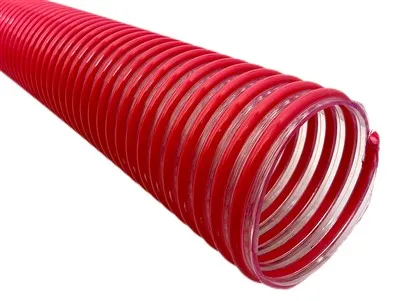
If you’re still on the fence, or you’re shopping for nozzles, filters, or hoses that work perfectly for your potted plants, feel free to reach out to us to talk through what’s best for your space. We’re here to help, not just sell products.
Flexible Plastic Pipe Now, the references:
- American Society for Horticultural Science. (2019). Watering Practices for Potted Ornamental Plants. HortScience.
- University of California Agriculture and Natural Resources. (2021). Home Gardening: Watering Container Plants. ANR Publication 7216.
- International Nursery and Landscape Association. (2020). Hose Management for Container Plant Production. INLA Research Report.
Weifang Xinzhiyuan Plastic Co., Ltd.
As one of the most experienced garden hose manufacturers and suppliers in China, we offer a wide range of products with superior quality. Please feel free to wholesale premium garden hose made in China here from our factory. We also accept customized orders.
Address: No. 700, Tongle Street, Economic Development Zone, Changle County, Weifang City, Shandong Province
E-mail: hua@xzypvchose.com
WebSite: https://www.pvchose-xzy.com/
