If you’ve ever worked in automotive manufacturing or component production, you know how much of a headache rear end testing can be. Whether you’re building axles for light trucks, rear wheel hubs for EVs, or even the differential systems that keep heavy-duty rigs moving, getting accurate, consistent data on how these parts hold up under pressure is make-or-break. That’s where a rear testing production line comes in—and if you’re still relying on manual testing or scattered, outdated equipment, you’re leaving major efficiency, safety, and profit gains on the table. Let me break down why investing in a dedicated rear testing production line is one of the smartest calls you can make for your shop. Rear Testing Production Line
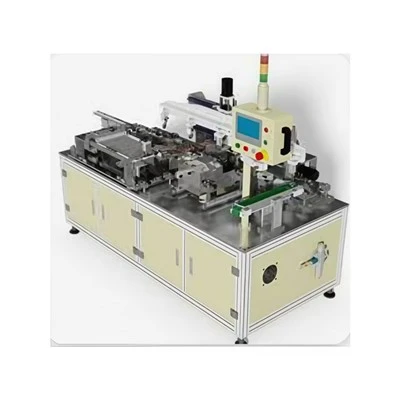
First, let’s cut through the jargon for a sec. A rear testing production line isn’t just a “box” that checks if a part works—it’s a end-to-end, integrated system built specifically to test the rear-end components your facility produces. It’s designed to handle the unique stresses rear parts face: constant torque from acceleration and towing, vibration from uneven roads, lateral load from turning, and even the sudden shocks of potholes or heavy payloads. Generic testing equipment can’t replicate that specific combination of forces, which means you’re either missing flaws that’ll end up in customer hands or wasting time overtesting parts that don’t need it. That specificity is the first big advantage.
Take accuracy, for example. Manual testing? Sure, it’s cheap upfront, but it’s inconsistent. One tech might apply 80% of the required torque, another might push 105%, and a third might stop early because they’re in a hurry. Even small gaps like that lead to false positives (rejecting good parts) or false negatives (letting faulty parts slip through). We’ve had so many clients come to us after switching from manual testing, saying their defect rates dropped by 12-18% within the first three months of installing their rear testing line. Why? Because every single test on the line is calibrated to exact, industry-standard specs—no human error involved. We build our lines with built-in sensors that measure torque, load, temperature, and vibration in real time, so you get a digital record of every part’s test. That’s not just data for you—it’s proof for regulators, too. If a part ever fails out in the field, you can pull that test record and show exactly where it went wrong. No more guessing, no more time spent digging through old logs.
Next up: efficiency. Let’s do a quick math check. Suppose you produce 500 rear axles a day. With manual testing, each axle takes an average of 12 minutes to load, test, unload, and log. That’s 10 man-hours just for testing alone, not including the time spent fixing mistakes, reworking parts, or waiting around for a single tester to be available. A dedicated rear testing line? We design ours to cycle through a part in 2-3 minutes flat. And because it’s automated, your team can be doing other high-skill tasks while the line runs—like assembling new parts or troubleshooting production issues instead of staring at a test gauge. One of our mid-sized automotive clients in Detroit told us they cut their testing labor costs by 40% after switching, all while boosting their daily output by 22% because they had more space on their main assembly floor. The line also reduces bottlenecks—since it’s tailored for rear parts, it doesn’t get held up testing other components, which was a huge problem when they tried using a general-purpose line. Then there’s the downtime angle: our rear testing lines are built with modular parts, so if one component needs a fix, you can swap it out in a fraction of the time it takes to repair a tangled, one-off generic machine. That’s less time your line is down, more parts shipped, more revenue.
Wait, let’s talk about safety, because that’s often the overlooked one. Testing rear parts can be risky—those components hold thousands of pounds of force. If a part fails mid-test on a manual rig, it can fly apart, injuring your team or damaging equipment. A rear testing line is enclosed with safety guards, interlocks that stop the test if something goes wrong, and emergency shutoffs that trigger automatically if a sensor picks up abnormal stress. We also build our lines to isolate noise and vibration, so your team isn’t exposed to constant loud sounds all shift. One truck parts manufacturer came to us after a near-miss: a manual test rig had a rear axle snap during a torque test, shattering a nearby gauge and cutting a tech’s arm. After installing our line, they reported zero safety incidents related to testing in the first year. That’s not just good for your employees—it’s good for your workers’ comp costs, too. Fewer accidents mean lower premiums, which is a win for any business.
Another big win: adaptability, especially if you’re growing or switching up your product line. A lot of people think a rear testing line is only for one specific part, but modern systems are super flexible. We program our lines to adjust to different axle sizes, torque specs, and load requirements with just a few clicks—no reconfiguring heavy parts or rewiring the whole rig. If you start making EV rear hubs next quarter, or heavy-duty axles for farm equipment a year from now, you can update the line’s software to test those parts without buying a whole new testing setup. That’s a huge cost saver. We’ve had a client who started with testing passenger car rear hubs, then added light truck axles, then later EV differentials—all on the same rear testing line. They told us they saved over $200k in the first two years by not having to buy separate testing equipment for each new product line.
Let’s not forget about data that actually helps you improve your production, not just pass tests. A good rear testing line doesn’t just give you a “pass/fail” result—it collects that data over time. You can spot trends: if 80% of the axles tested on Tuesdays are failing a vibration test, that might point to a faulty raw material batch from your supplier, or a misaligned machine on the production floor. If a specific part design fails 5% more often than it used to, you can work with your engineering team to tweak the design before it becomes a big issue. That’s proactive quality control, not reactive. With manual testing, you’d never catch those small, consistent trends—you’d just see a random spike in defects and have to spend weeks tracking it down. Our rear testing lines integrate with your existing factory management software, too, so you don’t have to enter data twice. It all flows straight into your ERP system, making inventory, scheduling, and quality reports way easier to put together.
Now, I know what some of you are thinking: “That sounds great, but it’s a big investment. Is it worth it?” Let’s break that down. Sure, a rear testing production line costs more upfront than a manual setup, but the ROI hits fast. We’ve had clients see a full return on their investment in 18-24 months, and that’s before factoring in the reduced defect rates, lower labor costs, and fewer safety incidents. Think about the cost of a recall: if a faulty rear part makes it to a customer, that’s not just the cost to fix the part—it’s the damage to your brand, lost customers, and potential lawsuits. A rear testing line catches those defects before they leave your shop, which saves you way more than the cost of the line over time.
And let’s be real, the alternative is falling behind. A lot of our competitors are already demanding higher quality standards, and they’re using automated testing lines to do it. If you’re still relying on manual testing, you’re at a disadvantage: your defects will be higher, your labor costs will be higher, and you won’t be able to meet the specs that big automotive or heavy equipment companies require for parts. Most of those OEMs won’t even work with suppliers that don’t have dedicated, automated testing for their core components. So a rear testing line isn’t just a nice-to-have—it’s a requirement to bid on some big contracts.
Look, I’m a rear testing production line supplier, so I’m obviously biased, but I’ve seen this work firsthand with dozens of shops. I’ve worked with small, family-owned parts shops with 10 employees, and big manufacturers with 500+ staff, and every single one saw measurable improvements after installing our lines. It’s not a one-size-fits-all solution, either—we build lines to fit your specific shop, your production volume, and the parts you make. No generic, cookie-cutter setups here.
If you’re ready to stop dealing with inconsistent testing, high defect rates, and bottlenecks in your production, it’s time to stop guessing and start investing in a system that’s built for your rear components. We work with you every step of the way: from assessing your current setup, to designing a line that fits your space, to installing it and training your team to use it. No confusing jargon, no hidden fees, just a system that works for your shop.
Don’t let outdated testing hold your business back. Reach out to us today to talk through your needs, get a custom quote, and see how a rear testing production line can help you boost quality, cut costs, and grow your business.
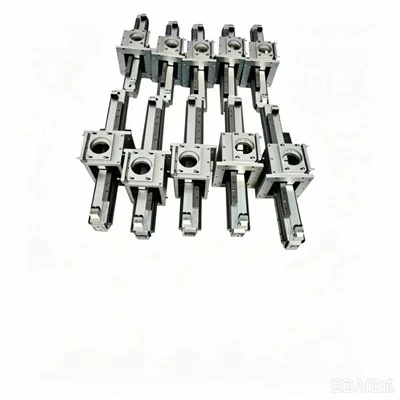
Industrial Belt Guide Rail Drive Module References:
- Society of Automotive Engineers (SAE) International. (2022). Best Practices for Automotive Component Testing.
- Manufacturing Extension Partnership (MEP). (2023). The Impact of Automated Testing Lines on Production Efficiency.
- Occupational Safety and Health Administration (OSHA). (2021). Safety Guidelines for Heavy Equipment Testing Facilities.
- Journal of Manufacturing Operations. (2022). ROI Analysis of Specialized Production Line Testing Systems.
Yangning (Xiamen) Intelligent Technology Co., Ltd.
With abundant experience, we are one of the most professional rear testing production line manufacturers in China. As we have world-leading production equipment and strong manufacturing capabilities, we warmly welcome you to buy bulk advanced rear testing production line from our factory. Customized orders are welcome.
Address: Room 307-2, No. 15 Duiying Road, Software Park Phase III, Torch Hi-Tech Zone, Xiamen, Fujian, China
E-mail: mia@ynautos.com
WebSite: https://www.ynautos.com/
