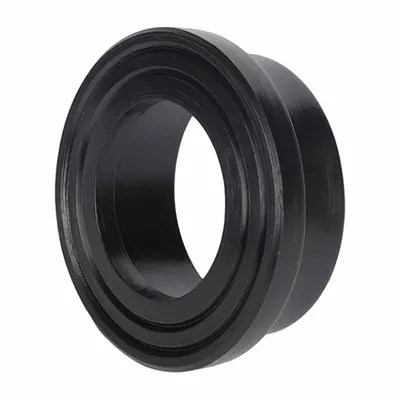
In the realm of drainage systems, especially in specialized environments like refrigeration plants where low – temperature conditions prevail, the choice of appropriate drainage fittings is of utmost importance. As a supplier of Butt Fusion Drainage Fittings, I am often asked whether our products can be effectively used in these low – temperature drainage systems. In this blog, I will delve into the scientific aspects, advantages, potential challenges, and real – world applications of using Butt Fusion Drainage Fittings in low – temperature drainage systems such as those found in refrigeration plants. Butt Fusion Drainage Fittings
Understanding Butt Fusion Drainage Fittings
Butt fusion is a well – established joining technique for thermoplastic pipes and fittings. It involves heating the ends of two pipe sections or a pipe and a fitting, then pressing them together to form a strong, leak – free joint. This method creates a homogenous bond, with the joint being as strong as or even stronger than the parent material. Butt Fusion Drainage Fittings are typically made from materials like high – density polyethylene (HDPE), polypropylene (PP), or polyvinyl chloride (PVC). These materials offer several benefits, including chemical resistance, durability, and ease of installation.
Characteristics of Low – Temperature Drainage Systems in Refrigeration Plants
Refrigeration plants operate at low temperatures, often below freezing point, to maintain the cold storage environment. The drainage systems in these plants need to handle various types of waste, such as condensate from refrigeration coils, meltwater from defrost cycles, and sometimes chemical residues. The low – temperature environment poses unique challenges to the drainage fittings, including increased brittleness of materials, reduced flexibility, and the potential for thermal expansion and contraction.
Can Butt Fusion Drainage Fittings Be Used?
Material Suitability
One of the key factors determining the suitability of Butt Fusion Drainage Fittings in low – temperature systems is the material used. As mentioned earlier, HDPE, PP, and PVC are common materials for these fittings. HDPE, in particular, has excellent low – temperature resistance properties. It remains flexible even at temperatures as low as – 40°C, which means it is less likely to crack or break under the stress of low – temperature operation. PP also has good low – temperature toughness, although its performance may start to degrade at lower temperatures compared to HDPE. PVC, on the other hand, is more brittle at low temperatures and may require additional insulation or special formulation to be used in extremely cold environments.
Joint Integrity
The butt – fusion joint is a critical component of the drainage system. In low – temperature conditions, the integrity of the joint must be maintained to prevent leaks. Since the butt – fusion process creates a homogenous bond between the components, the joint is less likely to be affected by the low – temperature environment. However, proper installation is crucial. The heating and cooling times during the butt – fusion process need to be adjusted according to the ambient temperature to ensure a strong joint. If the installation is done correctly, the butt – fusion joint can withstand the thermal stresses associated with low – temperature operation.
Thermal Expansion and Contraction
Low – temperature environments cause materials to contract, and when the temperature fluctuates, there is thermal expansion. Butt Fusion Drainage Fittings made from thermoplastic materials like HDPE have a relatively high coefficient of thermal expansion. However, proper system design can accommodate these changes. Expansion loops and flexible connections can be incorporated into the drainage system to prevent damage to the fittings and pipes due to thermal movement.
Advantages of Using Butt Fusion Drainage Fittings in Low – Temperature Drainage Systems
Corrosion Resistance
In refrigeration plants, the drainage may contain various chemicals and moisture, which can cause corrosion in traditional metal fittings. Butt Fusion Drainage Fittings made from thermoplastics are highly resistant to corrosion, ensuring a longer service life and reduced maintenance costs.
Ease of Installation
Compared to other types of drainage fittings, butt – fusion installation is relatively straightforward. It does not require complex welding or threading techniques, which is especially beneficial in cold environments where working conditions may be less than ideal. The installation process can be completed quickly, minimizing downtime in the refrigeration plant.
Leak – Free Performance
The strong and seamless butt – fusion joint provides a high level of leak – free performance. In a refrigeration plant, leaks can lead to energy losses, contamination, and potential damage to equipment. The reliability of butt – fusion joints helps to prevent these issues.
Potential Challenges and Mitigation Strategies
Brittle Failure
As mentioned earlier, some materials may become brittle at low temperatures. To mitigate this risk, it is essential to select the appropriate material for the specific low – temperature application. For example, HDPE with a high – density grade and proper impact modifiers can enhance the toughness of the fittings. Additionally, insulation can be applied to the fittings and pipes to reduce the impact of the cold environment.
Installation in Cold Weather
Installing Butt Fusion Drainage Fittings in cold weather requires extra precautions. The heating equipment may need to be adjusted to ensure the pipes and fittings reach the correct fusion temperature. Workers should also take measures to stay warm and dry to maintain their dexterity during the installation process. Special training on cold – weather installation techniques may be necessary for the installation team.
Real – World Applications
There are numerous examples of successful implementation of Butt Fusion Drainage Fittings in refrigeration plants. In large – scale cold storage facilities, these fittings have been used to handle the drainage of condensate and meltwater. The corrosion resistance and leak – free performance have proven to be highly beneficial, reducing the need for frequent replacements and repairs. In food processing plants with refrigeration areas, the chemical resistance of the thermoplastic fittings is particularly advantageous for handling various types of waste.
Conclusion
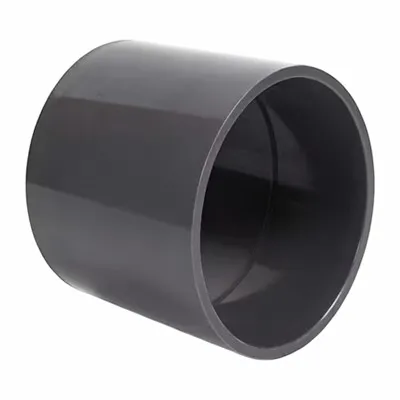
In conclusion, Butt Fusion Drainage Fittings can indeed be used in low – temperature drainage systems such as those in refrigeration plants. With the right material selection, proper installation, and appropriate system design, these fittings offer several advantages over traditional alternatives. They provide corrosion resistance, ease of installation, and reliable leak – free performance. However, it is important to be aware of the potential challenges associated with low – temperature operation and take the necessary mitigation measures.
ASTM IPS Inch Butt Fusion Fittings If you are in the market for high – quality Butt Fusion Drainage Fittings for your low – temperature drainage system, I invite you to contact me to discuss your specific requirements. Our team of experts is ready to provide you with the best solutions and support for your project.
References
- Brandenberg, K., & Michaelis, A. (2014). Plastics in Piping Systems: Materials, Properties and Applications. Hanser Publishers.
- "Thermoplastic Piping Handbook" by the Society of the Plastics Industry, Inc.
- "Polyethylene Pipe Handbook" by the Plastics Pipe Institute.
Qingdao Polyfusion Machinery Co., Ltd.
As one of the most professional butt fusion drainage fittings manufacturers and suppliers in China, we have world-leading production equipment and strong manufacturing capabilities. Please feel free to buy bulk high quality butt fusion drainage fittings from our factory.
Address: Chengyang Industry Zone, Chengyang, Qingdao, Shandong, China
E-mail: export01@qdpolyfusion.com
WebSite: https://www.polyfusionfittings.com/
