Hey everyone, it’s Jake from [Pellet Mill Supply Co.], and today we’re talking about something I get asked non-stop: how to make your pellet mill last as long as possible. I’ve been in this game for 12 years—first fixing mills, then selling them, and now helping clients keep their machines running for years, not months. I’ve seen guys run a mill 24/7 for 5 years with barely any major parts replaced, and I’ve also seen another guy (we won’t name names) burn out two mills in 18 months because he skipped basic maintenance. The difference? Small, consistent habits that don’t cost a fortune. Let’s break this down real, no-fluff stuff. Pellet Mill Machine
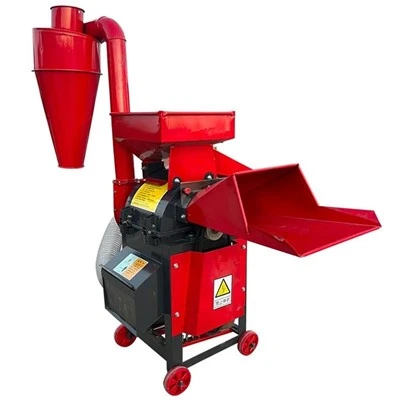
First off, let’s start with the most important part: the pellet die. I can’t stress this enough—more mill failures come from a bad die than anything else. A lot of new owners think the die is just a hunk of metal that pushes pellets through, but it’s way more sensitive. First, you have to match your die to your raw material. If you’re making wood pellets, a die with too small a hole will jam, but if you’re making feed pellets for livestock, a hole that’s too big will wear out the die in no time. I’ve seen guys use a wood die for feed because it’s cheaper, and they call me a month later panicking because they have to replace the die. Don’t do that.
Then there’s the pre-conditioning. If you’re not pre-conditioning your material with steam, water, and sometimes molasses, you’re making the die work way harder than it needs to. Steam softens the lignin in wood, or binds feed ingredients together, so the pellets slide through the die holes instead of scraping and wearing the metal. I had a client last year who ran his feed mill without pre-conditioning for 6 months, and his die wore out in 8 months—instead of the usual 2-3 years. Once he added a cheap steam line, his die life jumped to 27 months. That’s a no-brainer.
Now, loading the die. Don’t just cram material in there as fast as you can. You have to make sure the material is evenly distributed across the die surface. If one part of the die is getting way more material than another, that area wears down way faster, and you get uneven pellets. I always tell guys to start the mill empty, then slowly feed material in until it comes out the die. Let it run for 10 minutes to make sure it’s evenly spread, then you can crank up the feed rate. Rushing this step is a quick way to kill your die.
Next up, the roller assembly. Rollers are the other big wear part, and a lot of owners neglect them until they’re making weird noises. First thing here: roller gap adjustment. The gap between the roller and the die can’t be too tight or too loose. If it’s too tight, the roller is rubbing against the die, wearing both parts down in weeks. If it’s too loose, the material isn’t getting compressed enough, so you’re making bad pellets and wasting energy. I use a simple rule: when the mill is running, there should be a tiny, almost unnoticeable gap—like the thickness of a business card—between the roller and die. If you can fit more than that, adjust it. And you should check this gap every 8 hours of run time, especially when you switch materials.
Also, rollers need lubrication, but not just any lubrication. A lot of guys use cheap grease from the auto parts store, but that’s a mistake. Pellet mills run at high temperatures, especially when processing hard materials like oak or sunflower stalks, so you need high-temperature, pressure-resistant grease. I recommend synthetic grease specifically for industrial pellet mills—regular grease breaks down at high temps, and then you get metal-on-metal friction, which wears out the roller bearings fast. And don’t over-grease it! I’ve seen guys pump so much grease in that it leaks all over the die, gets mixed with material, and causes blockages. You only need a little bit—follow your machine’s manual, and if you notice grease coming out of the vents, you’re using too much.
Then there’s the material prep step, which most people skim over, but it’s huge for mill lifespan. If your raw material has rocks, metal, or oversized chunks in it, you’re basically sandblasting your die and rollers. A small rock in the material will gouge a die hole, making it uneven, and a metal chunk will snap a roller or even crack the die. That’s not a cheap fix—dies can cost anywhere from $500 to $2,000, depending on size. So you need two things here: a good magnetic separator and a hammer mill (or grinder) to break material into uniform size. The grinder should reduce material to 1-5mm, depending on your die hole size, and the magnetic separator will catch any loose metal before it gets to the mill. I had a client who stopped using the magnetic separator to save $20 a week on replacement filters, and he had to replace his die and rollers 3 months later. Oops.
Cooling and drying your material is another thing people sleep on. If you run wet material through the mill, it clogs the die holes, and the moisture causes rust on the die and rollers. Rust wears down metal way faster than normal friction. I always tell guys to get their moisture content between 10-15% for wood pellets, and 12-16% for feed pellets. You can get a cheap moisture meter for $50 that will tell you exactly where you’re at—no guessing. If your material is too wet, let it dry in the sun (or a simple drying bin) for a few days before running it through the mill. I’ve seen a mill run for 3 years straight processing wet wood, and the die was so rusted it crumbled when we took it out. Don’t be that guy.
Now, regular maintenance checks, not just when something breaks. A lot of owners only touch their mill when it’s making weird noises or not turning out pellets. That’s reactive maintenance, and reactive maintenance is expensive. Proactive maintenance is what keeps mills running. Let’s start with daily checks: before you start the mill, check the oil level in the gearbox. Low oil will burn out the gearbox in a matter of hours. Check the belt tension too—if belts are too loose, they slip, waste energy, and wear out fast. If they’re too tight, they put extra strain on the motor and bearings. Adjust them so you can push down on the belt about half an inch in the middle. Then, after each run, clean the die. Even a quick wipe with a dry cloth to get residual material out of the holes will prevent buildup that causes clogs later.
Weekly checks: Inspect the die and rollers for wear. Look for gouges, uneven holes, or discolored spots. If you see a small gouge, you can sometimes have the die re-faced (machined to smooth out the holes) for half the cost of a new one. But if the wear is more than 10% of the die thickness, it’s time to replace it. Also, check the bearings on the rollers and motor. If you hear squeaking or grinding when the mill runs, that’s a bad bearing waiting to seize. Replace bearings early, and they’re cheap—wait until they seize, and you might damage the whole mill.
Monthly checks: Flush the gearbox oil and replace it with fresh, high-quality gear oil. Old oil has metal shavings and debris that scratch gear teeth, leading to expensive gearbox repairs. Also, check all bolts and screws—vibration from the mill can loosen them over time. A loose bolt on the die can shift it, causing uneven wear and damage to the roller. I once had a client whose die bolt came loose while he was running it, and the roller hit the side of the mill, cracking the housing. That was a $3,000 mistake because he skipped monthly bolt checks.
Wait, what about when you’re not using the mill? A lot of guys let their mill sit for weeks or months between runs, and that’s a problem. Moisture in the air can cause rust on the die and rollers. So if you’re storing your mill, make sure you clean it thoroughly, dry all parts completely, and coat the die and rollers with a thin layer of oil to prevent rust. Store it in a dry, covered area—if it’s outside, get a heavy-duty cover, and elevate it off the ground so it doesn’t sit in water. I had a client who stored his mill on a trailer outside for 2 months over the winter, and when he started it up in the spring, the die was so rusted it wouldn’t even turn. He had to buy a new die right before his busy season—cost him $1,200 and delayed his orders. Don’t do that.
Another thing: don’t overload the mill. Every mill has a max capacity, and pushing it beyond that will make it work way harder than it’s designed to. You’ll get bad pellets, increased wear on all parts, and even motor burnout. If you’re running your mill at full capacity 24/7, you’re cutting its lifespan in half. I always tell guys to run it at 80-85% of its max capacity—you get consistent, high-quality pellets, and your mill doesn’t get beat up. If you need more production, maybe upgrade to a bigger mill, not push your current one too hard.
Wait, what about the motor and electrical parts? Those are easy to overlook, but they’re critical. Keep the motor clean—dust and debris can clog the cooling fins, making the motor overheat. Overheating shortens motor lifespan by years. Also, make sure the electrical connections are tight and free of corrosion. Loose connections cause voltage drops, which make the motor work harder, leading to burnout. I had a client who had his motor die every 10 months because his electrical panel was in a dusty shed, and the connections were corroded. Once he moved the panel to a clean area and tightened the connections, his motor ran for 4 years with no issues.
Let’s talk about common mistakes I see all the time, just to drive this home. First, using cheap replacement parts. A lot of guys will buy a generic die from a random supplier for $300 instead of a genuine one from a reputable brand for $700, and that die lasts 6 months instead of 2 years. The cheap die is made with lower-quality steel, so it wears out way faster. It’s not worth the $400 savings in the long run. Second, skipping training. I’ve had clients who buy a mill, read the manual once, and then call me a month later because they’re running it wrong. Taking 2 hours to go through a full training on how to operate your mill correctly will save you thousands in repairs. Third, ignoring small issues. If your mill makes a weird noise one day, don’t just keep running it—stop, check what’s wrong. A small bearing issue can turn into a $5,000 gearbox repair if you wait too long.
Now, let’s get practical. I know this sounds like a lot, but it’s all small, consistent steps. You don’t have to do a full maintenance overhaul every week—just add a few 10-minute checks to your routine. Every day, check the oil, belt tension, and clean the die. Every week, inspect the die and rollers. Every month, change the gear oil and check bolts. That’s it. It takes less than an hour a week, and it will double or even triple your mill’s lifespan.
At the end of the day, your pellet mill is an investment. I’ve been supplying these machines for years, and the clients who take care of their mills are the ones who stay in business long-term. The guys who cut corners on maintenance or cheap parts? They come back to me every 6 months to fix a broken mill. It’s just not worth it.
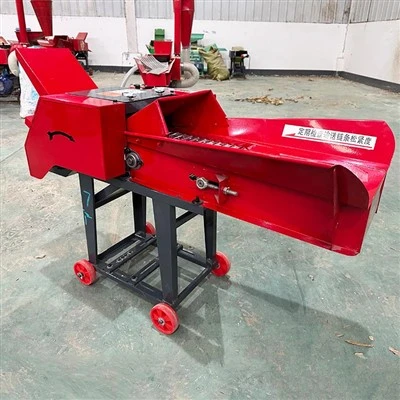
If you’re looking for a new pellet mill, or you have questions about maintaining the one you already have, feel free to reach out. We help clients all over tune up their maintenance routines and get the most out of their machines. Don’t let your mill burn out early—take care of it, and it will take care of you.
Grass Chopper References:
- American Society of Agricultural and Biological Engineers. (2021). Maintenance Guidelines for Industrial Pellet Mills. ASABE Standards.
- Pellet Mill Manufacturers Association. (2022). Die and Roller Wear in Pelletizing: Causes and Mitigation Strategies. Industrial Machinery Report.
- Johnson, L. (2020). Extending the Service Life of Organic Material Processing Equipment. Journal of Industrial Equipment Maintenance.
Zhengzhou Xinyihaotong Machinery Manufacturing Co., Ltd.
As one of the most professional pellet mill machine manufacturers in China, we also support custom service. We warmly welcome you to buy high quality pellet mill machine for sale here from our factory. For price consultation, contact us.
Address: Rooms 2301–2312, Jiayi Building, Xinxiang City, Henan Province, China
E-mail: zhaoyixuan5566@gmail.com
WebSite: https://www.xyhtmachinery.com/
