Hey everyone, let’s cut to the chase—if you’ve spent any time in the industrial cutting space, you’ve probably heard folks throw around “dry edge saw” like it’s some niche gadget for fancy tile work. But here’s the thing: it’s way more versatile, and way more essential, than a lot of people give it credit for. As an edge saw supplier, I talk to guys in construction, stone fabrication, and even metalworking every single day who are using (or struggling with) wrong cutting tech because they don’t know what a dry edge saw actually is. Let’s break this down like we’re chatting over a coffee, not a 100-page manual. Edge Saw
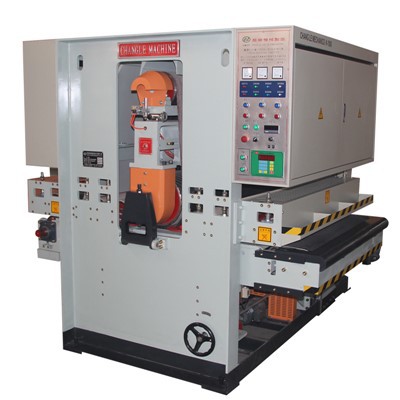
First off, let’s kill the most common mix-up: a dry edge saw isn’t just a regular saw without water. Wait, technically, it is, but there’s a lot more going on under the hood that makes it different from your basic circular saw or even a wet cut edge saw I’ve seen guys haul around job sites. Let’s start with the basics of how any edge saw works, to set the stage. Edge saws are for precision cutting, right? They don’t do that rough, chattery cuts you get from a random skill saw. They’re built for straight, clean cuts along a material’s edge, so you don’t have to spend hours grinding and buffing after. Now, the “dry” part—this isn’t just skipping the water hose because you forgot to fill it. A true dry edge saw is engineered to operate without lubricating or cooling water during the entire cutting process. That means no sloshing hoses, no mess on the job site, no hauling around tanks of water for hours on end.
But here’s where the tech gets real, and why it’s not just a gimmick. The blade is the star here. A dry edge saw blade has that continuous, diamond-encrusted edge, unlike a regular saw blade with teeth, or even a wet saw blade that often has a segmented design made to slosh water through. The diamonds are bonded to the edge with a specialized matrix that’s made to handle the heat that builds up when you’re cutting without water. That matrix wears down slowly as you cut, which exposes fresh, sharp diamond particles—self-sharpening, basically. I’ve seen guys use cheap blades that overheat in 10 minutes, glaze over, and start chipping material; a good dry edge saw blade will keep cutting clean for hours, even on tough stuff like granite, concrete, or hard brick.
Wait, let’s talk about the “edge” part too, because that’s what makes edge saws different from other dry saws. A lot of people call any dry saw a dry edge saw, but no—edge saws are designed for linear cuts along the edge of a workpiece, with way more control. They have that stable guide rail system, right? Not that flimsy plastic guide you pop on a circular saw for a straight cut. These edge saws have a heavy-duty, precision-machined rail that locks in, so you get a cut that’s within a fraction of a millimeter straight. That’s non-negotiable for guys in stone fabrication—if you’re cutting a countertop edge for a kitchen, a crooked cut means the whole slab is wasted. Or for construction crews cutting concrete forms for a building, a wavy edge means you’re back with a jackhammer fixing it before the concrete even sets.
Now, let’s get into when you’d actually use a dry edge saw, because that’s the part I get the most questions about. A lot of guys ask, “Why not just use a wet saw? Water works, right?” Yeah, water works for some stuff, but it’s a total pain for other jobs. Let’s list the scenarios where a dry edge saw is the only tool you need, or at least the best pick. First, jobs where water is a no-go. If you’re cutting inside a building that’s already finished, you splash water everywhere. It gets into electrical outlets, ruins carpet, damages wood trim, makes a huge mess you have to clean up for hours. I had a contractor buddy call me last year—he was cutting patio pavers for a back porch remodel, and the wet saw he rented leaked all over the new hardwood floors in the entryway. Ended up paying for a whole refinish, just because he skipped the dry edge saw option. Ouch.
Then there’s jobs where portability is key. Wet saws need water, tanks, hoses—you’re hauling 50 pounds of gear plus the water, and you can only go as far as your hose will stretch. A dry edge saw is lighter, no hoses, no tanks. You can toss it in the back of a pickup, carry it up a flight of stairs to a job site, no problem. I work with a lot of tile setters who do multi-unit projects across a city—they rotate dry edge saws between crews, no need to worry about refilling water every 15 minutes. That’s a game-changer for productivity.
Don’t sleep on the materials, either. Dry edge saws aren’t just for soft tile. They cut granite, marble, quartz, concrete, brick, even some types of cured metal. I had a guy last month who was cutting reclaimed concrete beams for a patio feature—he rented a regular saw first, it chipped the edges so bad he had to bring in a grinder for 3 hours per beam. Switched to a dry edge saw I recommended, and he got 4 perfect cuts in the time he would have spent grinding one. For harder, denser materials, that heat-resistant blade matrix actually works better without water—water can sometimes cause thermal shock if the material is super cold or porous, making it crack. Dry cutting avoids that entirely.
But wait, it’s not all sunshine and no water. There are times a dry edge saw isn’t the right pick, and I always tell my customers that straight up—no need to sell them something that doesn’t fit their job. If you’re cutting large slabs of stone for a whole kitchen countertop, wet saws can handle bigger cuts faster for that volume. If you’re cutting very thin material, like glass or delicate tile, sometimes water helps control dust better, though modern dust extraction on dry edge saws fixes most of that these days. Also, if you’re doing really heavy-duty cutting of thick concrete, some guys still prefer wet saws for the raw power, but even that’s changing as dry saw tech gets better.
Let’s talk about the real benefits that don’t make it into sales brochures, because that’s what actually matters to guys on the job. First, dust control—wait, I mentioned that earlier, but modern dry edge saws have integrated dust collection systems that pull almost all the dust away as you cut. No more breathing in that silica dust that’s terrible for your lungs, no more coating every tool, your truck, and your work boots in dust after a day of cutting. I’ve seen crews switch to dry edge saws and cut their cleanup time by 70%—that’s time they can spend on more important stuff, like getting paid work done.
Another big one: cost. Wait, some guys think dry edge saws are more expensive upfront, but let’s do the math. You don’t have to buy water, or replacement hoses, or repair your tools that rust from sitting in water. Blades last longer because there’s no water wearing down the bond prematurely. And if you’re renting? A dry edge saw rental is often cheaper for day jobs because there’s no water tank to mess with, no risk of spilling and ruining other equipment.
I get a lot of questions about maintenance too, so let’s clear that up. A dry edge saw is way easier to maintain than a wet saw. No rusty metal parts from sitting in water, no clogged nozzles, no slime buildup in the tank. Just wipe it down after use, check the blade, and you’re good. Last week a customer brought in a saw he’d had for 5 years, only maintenance he’d done was changing the blade twice. Still works like the day he bought it. Compare that to a wet saw he had that broke down every spring when he pulled it out after winter storage—rusted pump, clogged hoses, you name it.
Now, let’s address the elephant in the room: common myths. First myth: dry cutting is less precise. Nope, not with a quality dry edge saw. The guide rail system is just as stable, the diamond blade cuts as clean, if not cleaner, than a wet saw. Second myth: dry cutting is worse for the blade. Actually, it’s the opposite if you use the right blade. A wet blade designed for dry use will overheat, glaze, and dull fast, but a dry blade’s matrix is built specifically for dry cutting, so it lasts longer. Third myth: dry edge saws are only for small cuts. No way—we have customers using our dry edge saws to cut 10-foot concrete beams, full granite slab edges, you name it. It’s all about the blade and the guide rail size.
Here’s where I can speak from being in the industry for years—we’ve had a lot of guys test out cheap, no-name dry edge saws that fall apart after a few uses, and that gives the whole category a bad rap. Don’t get me wrong, there’s garbage out there, but a reputable dry edge saw is built for long-term job site use, not DIY one-off projects. If you’re a contractor or fabricator that uses these every day, you want something that can handle 8-hour days of cutting, no breakdowns, no delays. That’s what we build, and that’s what I recommend to everyone who hits me up asking for advice.
Now, who needs one? Let’s sum this up. If you’re a tile setter, stone fabricator, concrete contractor, or even a DIYer who does big home projects (like a custom patio, basement reno), a dry edge saw is worth investing in. It saves you time, money, mess, and hassle. You don’t have to deal with water leaks, you can work indoors without making a flood, you’re safer from silica dust, and you get cleaner cuts with less post-processing.
At the end of the day, the whole point of tools is to make your job easier, not harder. A dry edge saw isn’t just another piece of gear—it’s a solution to a lot of the headaches I’ve seen guys deal with for years. If you’re currently using wet saws and dealing with water mess, or regular saws that chip edges, or hauling around heavy gear that takes forever to set up, it’s worth giving a dry edge saw a look.

If you’re ready to stop dealing with all the hassle and find out which dry edge saw fits your job, just reach out to us to chat through your needs. We don’t do one-size-fits-all, so we’ll help you pick the right size, blade, and accessories for whatever material or project you’re working on. No sales pitches, no pressure—just honest advice from someone who’s been in your shoes on job sites, dealing with the same frustrations you are.
Hot-press for Plywood References:
- "Industrial Cutting Tools: A Practical Guide" – Industrial Press, 2022.
- "Diamond Saw Blade Technology for Dry Cutting Applications" – Journal of Manufacturing Processes, Vol. 56, 2023.
- "OSHA Guidelines for Silica Dust Control in Construction" – Occupational Safety and Health Administration, 2021.
- "Portable Cutting Equipment for Modern Construction Sites" – Construction Today Magazine, 2024.
Jiashan Changle Machinery Manufacturing Co., Ltd.
Address: Building 12, Zone A, Wanyang Innovation City, No. 23 Yucao South Road, Ganyao Town, Jiashan County, Jiaxing City, Zhejiang Province
E-mail: Changle84615620@163.com
WebSite: https://www.changlejx.com/
