Hey there, if you’ve ever wandered through a well-built furniture shop, remodeled a room, or even stared at that sturdy skateboard you nailed together last weekend, you’ve almost definitely seen birch plywood. And if you’ve ever wondered why it’s such a go-to for so many builders, designers, and DIYers alike, you’re in the right spot. I’m [skip the fancy corporate titles—just call me Sam, part of a small plywood supply crew that’s been working with birch for over a decade, so I’ve got stories (and a few war scars from misplacing a panel) to back this up. First off, let’s cut through the jargon: birch plywood isn’t just “plywood with birch on it.” It’s a specific type of engineered wood that’s earned a rep for being tough, versatile, and way more consistent than solid birch lumber. Let’s break down what actually makes it. Plywood
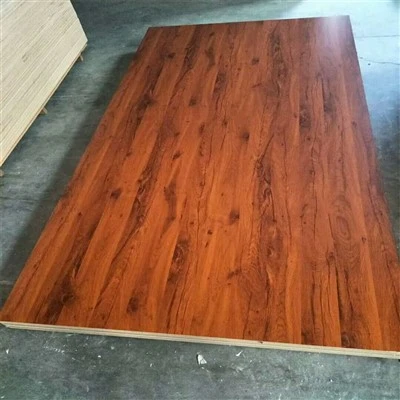
So, how is birch plywood even made? It’s not just gluing a bunch of birch planks together, that’s for sure. The process starts with real birch logs—we’re talking hard and soft birch, like white birch or yellow birch, which are super common across North America and Europe. First, the logs get stripped of bark and soaked in hot water for a bit (think 100 to 140 degrees Fahrenheit) to make them soft enough to work with. Then comes the part that blows most people’s minds: spinning the log like a giant pencil sharpener, which peels off thin, continuous layers of wood called “veneers.” Those veneers are usually only 1/25 to 1/10 of an inch thick—super thin, but strong as hell.
Once they’ve peeled off all the veneers, they dry them out in big, purpose-built kilns until their moisture content is down to 6 to 8 percent. That’s a key step; if the wood’s too wet or dry, the plywood will warp later, and we hate warped plywood (ask any contractor who’s had to fix a warped cabinet door on a job site). Then, they arrange the veneers in a cross-grain pattern—wait, that’s the big secret behind plywood. Each layer is rotated 90 degrees from the one below it. So the grain of the top layer runs left, the next runs right, then left, and so on. That cross-grain setup is why plywood is so much more stable than solid wood—solid wood expands and contracts with humidity, but cross layers balance each other out. No more warping, no more twisting, even when there’s a big change in temperature or moisture.
Then comes the glue part. Not the craft store Elmer’s glue, either. We’re talking industrial-grade adhesives—usually urea-formaldehyde or phenol-formaldehyde, depending on how the plywood will be used. Urea-formaldehyde is great for indoor projects: furniture, cabinetry, wall panels. Phenol-formaldehyde is the heavy-duty stuff, good for outdoor or high-moisture areas like boat decks or exterior siding, because it’s waterproof and resists rot better. They spread a thin, even layer of glue on each veneer stack, then press the whole thing together in a giant hydraulic press for hours, at super high pressure. That pressure melts the glue just enough so it seeps into the wood fibers, creating a bond that’s almost as strong as the wood itself. The last step is trimming the edges smooth and sanding it down to a uniform thickness—usually ranging from 1/8 of an inch all the way up to 1 1/2 inches thick, depending on what you’re using it for.
Now, what makes birch plywood different from, say, oak or pine plywood? Let’s get real, pine is cheap, but it’s soft—you can dent it with a thumbnail if you try hard enough. Oak is nice, but it’s heavy, and the grain is super prominent, which doesn’t work for every project. Birch plywood? It’s the middle kid that’s secretly the best at everything. First, it’s way harder than pine or spruce. Hard birch plywood has a Janka hardness rating (that’s the industry measure of how hard wood is) of around 1,260 lbf. Compare that to pine at just 380 lbf—birch is three times harder. That means it resists dents, scratches, and impacts way better than softwood plywood, so it’s perfect for high-traffic areas, kitchen cabinets, or furniture that’ll get dragged around a lot.
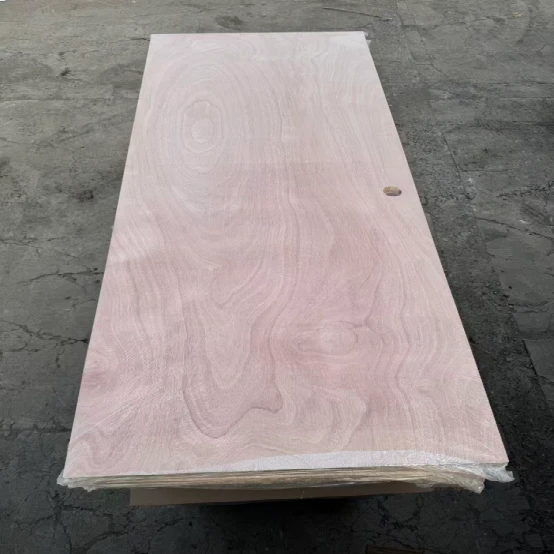
Then there’s the look. The veneers are really consistent—no big knots, no weird grain gaps, like you might see in lower-grade pine plywood. The surface is smooth and pale, almost creamy white, with subtle, tight grain lines. That makes it a dream to paint, stain, or even veneer over. If you want a clean, modern look, you can sand it down and paint it white, and it’ll look crisp for years. If you want a warmer wood tone, you can stain it a medium or dark brown, and the tight grain gives it a really even finish. It also holds screws and nails way better than solid wood, because the cross-grain layers spread the load instead of letting it split. I’ve seen guys screw a shelf into birch plywood and load it up with 50 pounds of books, and the shelf still doesn’t budge. Try that with solid pine—you’ll be patching holes by next week.
But here’s the thing: not all birch plywood is created equal. That’s a huge point people miss when they’re sourcing materials. There’s a big difference between “all-birch” plywood and plywood that has a birch face but a core of pine or poplar (we call that “core veneer” plywood, and it’s usually cheaper, but not nearly as strong). The all-birch stuff—where every single layer is birch veneer, from top to bottom—is the good stuff, the one you want for projects that need to last. The lower grade ones might have voids in the core, or glue lines that are weak, which makes them warp or fall apart after a year or two.
We work a lot with contractors and furniture makers who swear by the all-birch stuff. I had a client last year who builds custom kitchen cabinets, and he told me he switched from oak to all-birch plywood about 5 years ago, and his warranty claims dropped by 80 percent. That’s because birch doesn’t warp like oak does in humid kitchens, and it’s strong enough to handle the weight of heavy dishes. He even uses it for the drawer boxes, which is a big deal—drawer boxes take a ton of stress when you’re yanking them open and shut.
Now, what is birch plywood actually used for? Let’s get into the fun stuff, because that’s probably why you’re here. It’s insanely versatile. For DIYers, it’s perfect for furniture: bookshelves, desk tops, bed frames, even custom headboards. Because it’s stable, you don’t have to worry about it warping if you leave it in a spare room with fluctuating humidity. We also see a ton of it used for play tables for kids—since it’s tough, easy to wipe clean, and smooth, no splinters (as long as you sand the edges properly).
For builders, it’s a staple for interior wall panels, subfloors (wait, subfloor plywood is usually OSB, but birch is sometimes used for subfloors in high-end homes, because it’s flatter), cabinetry, and even window and door trim. The outdoor-grade birch plywood (with the phenol glue) is used for decking, fence panels, and even small boat parts—like interior framing for a sailboat, because it can handle being wet without falling apart. I once saw a guy build a tiny tiny house out of all-birch plywood, and it still looks perfect 7 years later, even through a Michigan winter and a Florida summer.
It’s also huge for craft and hobby projects. If you’ve ever made a custom sign, a jewelry box, or even a model ship, you’ve probably used thin birch plywood—it’s easy to cut with a laser cutter or a handsaw, and the smooth surface makes painting or engraving look crisp. We supply a lot of small craft shops with thin 1/8 inch birch panels, because that’s exactly what they need for those custom pieces. Even in the music industry—guitar bodies, speaker boxes, some drum shells are made with birch plywood, because its density gives instruments a warm, clear sound.
Wait, let’s address some common myths, because I hear these all the time. First myth: birch plywood is more expensive than other plywood. Yeah, it’s a bit more upfront, but when you calculate the lifespan of your project, it’s actually cheaper. If you buy cheap pine plywood for a cabinet, it’ll warp in 3 years, and you’ll have to replace it. Birch plywood will last 20, 30 years, no problem. So you’re saving money in the long run. Second myth: it’s heavy. Compared to pine, it’s a bit denser, but not so heavy that it’s impossible to carry. A 4×8 sheet of 1/2 inch all-birch plywood is around 40 pounds—easy for two people to haul, no forklift needed. Third myth: it’s hard to work with. Yeah, it’s harder than pine, but if you use the right tools—sharp saw blades, a router with a good bit, it cuts just as cleanly. I’ve cut hundreds of sheets without any issues, as long as I remember to keep my tools sharp (pro tip: a dull blade will tear the veneer, and that’s a headache you don’t want).
As a plywood supplier, we see people make a lot of mistakes when sourcing birch plywood. One of the biggest is not checking the grade. Grades for plywood are based on the quality of the face veneer. The highest grade is A-A, which is two perfect faces, no knots, no defects—great for visible surfaces like cabinets. A-B is one perfect face, one with a few small knots, good if one side will be painted and the other will be hidden. B-B is both sides have some knots, good for internal parts like drawer boxes. You have to pick the right grade for your project—there’s no need to pay for A-A if you’re using plywood for a subfloor that’s going to be covered by carpet.
Another mistake: not confirming if it’s all-birch. Some suppliers will slap a birch face on a core of cheaper poplar, and that’s not the same. We label every single one of our all-birch sheets clearly, so you know exactly what you’re getting. No surprises, no hidden cores, no cutting corners. We also supply both indoor and outdoor grades, so you don’t have to guess which glue is right for your project.
At the end of the day, birch plywood is one of those materials that’s underrated until you actually use it. It’s strong, stable, looks good, and works for almost any project—from a tiny craft to a whole house. If you’re a builder, a contractor, a DIYer, or a small business owner, birch plywood is probably going to be a staple in your materials lineup.
If you’re looking to source quality all-birch plywood, no games, no hidden fees, just honest, reliable supply, reach out to us. We can talk about your project size, the grade you need, and get you a quote that fits. No pressure, no pushy sales tactics—just people who know plywood, and want to help you get the right stuff for your job.
OSB Board References
- Forest Products Laboratory. (2010). Wood Handbook: Wood as an Engineering Material. U.S. Department of Agriculture.
- American Plywood Association. (2018). Plywood Grades and Specifications. APA – The Engineered Wood Association.
- Walker, J. C. F. (1996). Primary Wood Processing: Principles and Practice. Chapman & Hall.
- Canadian Wood Council. (2020). Birch Plywood: Properties and Applications. Canadian Wood Council.
Lisen Wood Industrial Shouguang Co., Ltd.
Lisen Wood Industrial Shouguang Co., Ltd. is one of the most professional plywood manufacturers and suppliers in China, featured by quality products and low price. Please rest assured to buy discount plywood from our factory. Welcome to contact us for quotation and free sample.
Address: Nongsheng road, shouguang,shandong province, china
E-mail: liuzhenxi@lisenboard.com
WebSite: https://www.sglswood.com/
