Hey everyone, if you’ve ever worked in filtration, process manufacturing, or even water treatment, you’ve probably crossed paths with wedge wire filter screens and not even noticed. As a supplier who’s talked to hundreds of folks sorting through filtration solutions—from small-scale farm operations to large industrial plants—I can tell you these things are way more versatile than most people give them credit for. They’re not just some fancy metal mesh you see in a factory; they’re engineered, durable workhorses that solve specific headaches way better than a lot of cheaper alternatives out there. Let’s break down where you’ll find them working behind the scenes, why they matter so much, and how we’ve helped clients tweak these screens to fit their exact needs. Wedge Wire Filter Screen
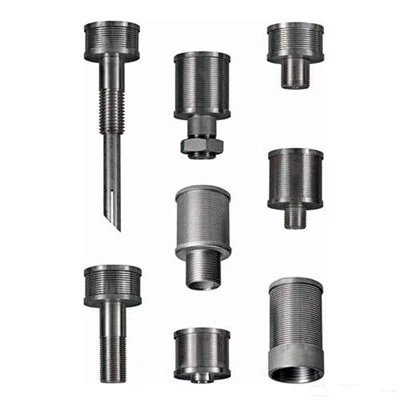
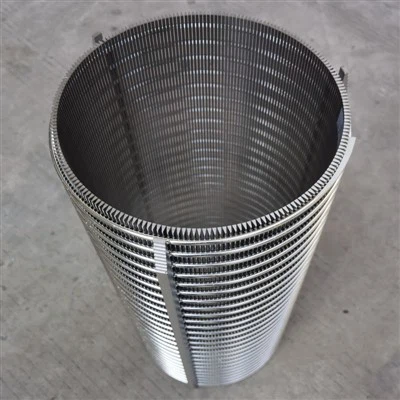
First off, let’s get the basics straight for anyone new here. Wedge wire screens are made from precision-cut V-shaped metal rods welded to supporting rods, right? That V-shape is the big key—it creates consistent, gap-size openings that don’t clog as easily as flat wire screens, stand up to way more pressure, and last way longer when dealing with abrasive materials. No more constant cleaning cycles that kill productivity; these screens hold their own even in tough conditions. Now, let’s jump into the most common uses I see day in and day out.
Water treatment is probably the biggest one, and it’s not just drinking water plants. Let’s start with municipal wastewater treatment. When we talk about primary treatment (the first step where you get rid of big gunk before it even goes to the biological tanks), wedge wire screens are the go-to for bar screens. Think sticks, rags, plastic bottles, food scraps—all that stuff that would clog pumps and ruin downstream equipment. We supply screens sized specifically for that: gap widths around 6mm to 10mm, so they catch everything big without slowing down water flow. I had a client in a mid-sized city last year who was using old flat mesh screens that needed cleaning twice a day; switching to wedge wire cut that to once a week, saved them like 15 hours a week of labor. That’s the kind of win we live for.
Then there’s desalination plants, which are huge in arid regions. Before water gets pushed through reverse osmosis (RO) membranes, it needs pre-filtration to get rid of sand, salt crystals, and tiny debris that would tear up those expensive membranes. Wedge wire screens here are used in intake pre-treatment units—they handle high flow rates, resist corrosion from saltwater, and the precise gaps (usually 50 microns to 1mm) stop anything that could damage RO gear. A lot of people don’t realize how much desalination costs spike when a membrane breaks; a $10 wedge wire screen prevents a $1,000+ membrane replacement. That’s a no-brainer for plant managers. Also, industrial wastewater from places like food processing or chemical factories? Same drill—they use these screens to skip solids before treatment, cutting down on chemical use and disposal costs.
Next up is mining and mineral processing, and this is where I’ve seen some of the toughest applications. Mining operations deal with all kinds of abrasive, heavy material—coal, metal ore, gravel—and they need screens that don’t give out after a few weeks. Dewatering is the big use here: when you pull ore out of a slurry (water + fine particles), wedge wire screens let the water drain out fast, leaving a solid concentrate that’s easier to transport and process. We make these screens from high-grade stainless steel or even carbon steel for extra durability, and gap sizes tailored to the ore’s particle size—like 2mm for coal dewatering, or 100 microns for fine gold ore. I worked with a coal mine in Wyoming that was using polypropylene screens (cheap, but soft) that wore out in 30 days; switching to our wedge wire screens cut their replacement costs by 70% and got them 10% more water drained per batch, which meant they processed more coal in less time. Also, they’re used in scrubbers—cleaning ore with water to remove impurities, so the screens catch the clean ore while letting dirty water flow through for recycling. No more wasting water, which is a huge deal for mines in dry areas.
Then food and beverage processing—people are often surprised this is a massive market for us. You can’t use flimsy mesh here because you have to meet food safety standards, and you can’t have any metal breaking off into the product. Wedge wire screens are perfect because they’re seamless (no sharp edges, no loose threads) and they’re easy to sanitize. Let’s think: sugar processing, for example. When they crush sugar cane or process sugar beets, they have to separate the raw sugar crystals from the molasses. The screens here have gaps sized just right to catch the sugar crystals, let the molasses drain, and they’re easy to clean with hot water or sanitizers between batches so there’s no cross-contamination. Another example: beer and wine making. After fermenting, they use wedge wire screens to separate the spent grain or grape skins from the liquid—no more using old linen cloths that get moldy or tear, and the screens last for hundreds of batches. Even edible oil processing: filtering out seed solids from crude oil before refining. That’s another place where we tweak gap sizes to get exactly the right separation. A craft brewery in Oregon reached out last year because they were having issues with their old screens breaking and getting into their beer; we made a custom 304 stainless steel screen for their filtration, and they’ve had zero issues since. That’s the kind of trust we build.
Oil and gas industry—another heavy-duty user. When oil is extracted, it comes mixed with water, sediment, and gas, and you need to separate those components before processing. Wedge wire screens are used in well screens, actually: when drilling for oil or natural gas, the screens line the borehole to keep rock and sand from collapsing in, while letting oil and gas flow through. They also use them in production separators to remove sand and debris from crude oil, which would damage pipelines and refining equipment. These screens have to handle high pressure (oil wells can be thousands of PSI) and corrosive environments, so we make them from duplex stainless steel or other alloys that can stand up to that. I had an oil and gas client in Texas who mentioned their well screens were corroding and needing replacement every 6 months; we supplied a custom alloy screen that’s lasted 2 years so far, way better than the standard off-the-shelf ones.
Also, specialty stuff—like aquaculture and aquariums. Big fish farms need to filter water to remove uneaten food, fish waste, and debris, so the water stays clean for the fish. Wedge wire screens are used in drum filters here, rotating screens that let water flow through while catching the gunk. They’re gentle on fish too, no sharp edges that would hurt them. Even in paper mills! When making paper, you have to separate pulp fibers from water and chemicals. Wedge wire screens are used in pulp washing and screening, catching the cellulose fibers so they can be reused or made into paper, while the water is recycled. That’s a huge part of keeping paper mills from wasting water and raw materials.
Wait, let’s talk about why wedge wire screens are better than other options for these uses, because that’s what makes them stand out. First, the gap is consistent—no weird lumps or uneven openings that let big debris through, or small particles get stuck. Flat wire screens can have gaps that shift over time, but wedge wire’s V-shape keeps the gaps exact, even when it’s under pressure. They’re also self-cleaning in a lot of cases—debris that gets caught on the gaps gets washed away by the flow, so you don’t have to stop and clean them as much. And durability: they don’t stretch, they don’t tear, and if made from the right alloy, they resist corrosion way better than plastic or cheaper metal screens. That adds up to lower long-term costs, even if the initial price is a bit higher than the cheap stuff.
Now, as a supplier, we don’t just sell you a standard wedge wire screen. A lot of people think one size fits all, but that’s not true. Every application is different—different flow rates, different materials, different space constraints. We work with clients to figure out the right gap size, the right alloy (304 stainless for food safety, duplex for corrosive oil rigs, carbon steel for mining), and even custom shapes—round, rectangular, curved, whatever fits your equipment. Last quarter, we made a set of curved wedge wire screens for a water treatment plant that had a round drum filter; the off-the-shelf screens didn’t fit, so we milled custom ones and got them up and running in 3 days. That’s the kind of hands-on support we offer, not just a boxed product.
I’ve talked to so many clients who switched to wedge wire screens and can’t believe they waited so long. One sand and gravel company in Arizona was using vibrating screens that would break every few months, costing them downtime and money. We supplied heavy-duty wedge wire vibrating screens, and they haven’t replaced a single one in a year and a half. That’s game-changing for operations that can’t afford to shut down for repairs.
If you’re in any of these industries, or even another one where filtration is a pain point, it’s worth looking at wedge wire screens. They’re not a fancy “new tech” thing, but they’re a proven, reliable solution that’s saved so many businesses time and money. If you’re shopping for filtration solutions, or you’re tired of replacing screens every few weeks, reach out. We can help you figure out exactly what you need, whether it’s a standard size or a custom one that fits your gear perfectly. No pressure, just answers to whatever questions you have.
Sintered Metal Powder Filter References:
- Water Environment Federation. (2022). Municipal Wastewater Treatment Operations.
- Society for Mining, Metallurgy & Exploration. (2021). Mineral Processing Plant Design & Operation.
- U.S. Food and Drug Administration. (2020). Food Safety Regulations for Food Processing Equipment.
- American Petroleum Institute. (2022). Oil and Gas Filtration Standards.
- Food and Agriculture Organization of the United Nations. (2021). Aquaculture Water Treatment Guidelines.
Henan Easy Filter Equipment Co., Ltd.
As one of the leading wedge wire filter screen manufacturers and suppliers in China, we offer a wide range of products with superior quality. Please rest assured to buy advanced wedge wire filter screen from our factory. We also accept customized orders.
Address: Apartment No.1, Building No.2, Zhengshang Jinyushijia, Xinzhong Street, Xinxiang, Henan, China.
E-mail: vivian@easyfiltertech.com
WebSite: https://www.easyfilter-china.com/
