Hey, quick show of hands—who’s ever rummaged through a drawer full of old audio gear: a beat-up iPhone 4 dock, a dusty portable CD player, a random gaming headset that worked once, and maybe that weird old boombox your cousin left at your place? If you’ve done that, you’ve probably stared at two things at some point: a random Au Standard plug pin (you know, the tiny, metal male pins we supply) and an audio jack from whatever gadget you’re testing, thinking, “Wait… can these even work together?” Au Standard Plug Pin
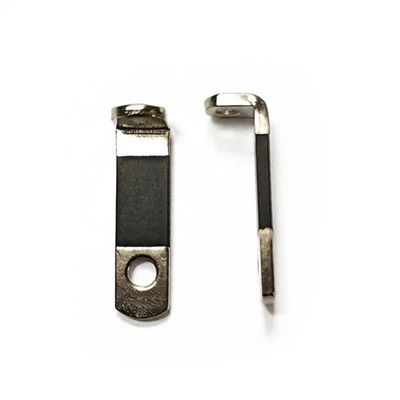
As the guy who runs a small Au Standard plug pin shop (you can call me J, most of the regulars do—I answer emails at weird hours and once shipped a replacement set to a guy who texted me he was on a road trip with his kid’s broken karaoke machine at 2 a.m.), I get this question literally every single week. It’s not a dumb question, either—so many people mix up “pin size” with “compatibility” and end up wasting $15 on a random plug set that only works for half their gear. Today, I’m breaking this down like I do with my customers—no jargon, just the hard, real stuff, plus what actually matters when mixing these two parts.
First, let’s cut through the noise: “Au Standard plug pins” aren’t a one-size-fits-all deal. If you’ve seen them, you know what I’m talking about—those small, gold-plated male contacts, usually 1.27mm in diameter for most consumer audio stuff, right? Wait, no—hold up. There are actually two common Au Standard pin sizes you’ll run into for audio: 1.0mm and 1.27mm. That’s a difference of 0.27mm, which is thinner than a single grain of salt (I measured it once, don’t judge). Most people don’t even notice that until they try shoving a 1.0mm pin into a 1.27mm jack— it wiggles so bad the sound cuts out halfway through a song. Or worse, they force a 1.27mm pin into a tiny 1.0mm jack and bend the pin, which is a pain to fix and usually means you buy a whole new set.
Wait, let’s clarify: when I say “audio jacks,” we’re talking about the 3.5mm and 2.5mm TRS/TRRS jacks that are in almost all phones, headsets, portable speakers, and older car stereos. The other big one is 6.35mm (quarter-inch) for guitars and studio gear, but Au Standard pins are mostly for smaller consumer stuff—so that’s the 2.5mm and 3.5mm jacks we’re focused on here.
But size isn’t the only thing. There’s something called “insertion depth” that’s way more important than most people realize. Let me explain: an audio jack’s total depth (how far the male plug goes inside) has to match the Au Standard pin’s length. If your pin is too short, it won’t connect to the jack’s internal contacts—you’ll have to hold the plug at a weird angle just to hear sound. If it’s too long, it’ll press against the back of the jack, bend the pin over time, or even short-circuit the audio circuit. I had a customer last month who tried using a set of our 5mm pins in his old Bose QuietComfort 15 headset—those headsets have a jack depth of only 4.2mm. The pin was too long, so he fried the headset’s audio board and had to buy a whole new one. Oops.
Then there’s the gold plating. Yeah, I know—sounds fancy, right? But not all gold is the same. We use 0.5 micron of pure gold on our Au Standard pins for audio because it’s thin enough to keep cost down, but thick enough to prevent corrosion. If you get a cheap plug set from Amazon that’s only got 0.1 micron of gold, it’ll wear out in 6 months, especially if you’re plugging and unplugging it a lot. Corroded pins = bad connection = static, dropouts, or no sound at all. That’s another big one people miss—compatibility isn’t just about fitting, it’s about how the pin and jack hold up over time.
Wait, let’s address a common myth I hear all the time: “If the pin looks like it fits, it works.” No. That’s so wrong. I’ve had customers send me photos of pins that look like they slide in no problem, but when we test them, the contact points are off. Most Au Standard plug pins are designed with 3 or 4 contacts (for stereo audio, mic, or both—TRRS plugs, basically), and the jack has matching contacts inside. If the pin’s contact spacing is off by even 0.1mm, the mic won’t work, or the right channel will be muted. I tested a random plug set last year that looked like it fit a 3.5mm jack, but the middle contact was 0.2mm too far left—so only the left channel worked, and the mic didn’t pick up anything. That’s not a fit issue, that’s a design issue.
So when are Au Standard plug pins compatible with audio jacks? Let’s make a checklist for you, straight from the stuff we’ve learned working with 1000+ audio gear clients:
- Match the pin diameter: For 2.5mm audio jacks (like old iPods or some headsets), use 1.0mm Au Standard pins. For 3.5mm jacks (90% of modern gear), stick to 1.27mm pins. Don’t guess—measure your jack’s inner hole first if you’re not sure. We sell little digital calipers on our shop too, super cheap, and they take 10 seconds to use.
- Match insertion depth: Our audio-focused Au Standard pins come in 4.0mm, 4.2mm, and 5.0mm lengths. Measure your jack’s depth (stick a pin from your old plug into the jack, mark how much is inside, pull it out and measure that) then get the matching length. If you’re not sure, just tell us your gear model when you order—we usually have the specs on file.
- Gold plating thickness matters: Make sure your pins have at least 0.3 micron of gold. We go with 0.5 because it’s what works best for daily use, and way more reliable than the cheap 0.1 micron ones.
- Contact count matches: If your audio jack is for a stereo headset (with mic), you need a 4-contact pin. For just music (stereo only), 3-contact works. Don’t mix them—you’ll end up with a mic that doesn’t work, or vice versa.
Now, the big “what ifs” that people panic about: What if I have a pin that’s almost the right size, but just a little loose? Can I use a tiny bit of electrical tape to fix it? Don’t do that. I’ve seen guys do that, and it usually works for a week, then the tape wears out, gets stuck inside the jack, and you have to take the whole device apart to clean it out. Way more hassle than just getting the right size pin in the first place. And what if the pin is too long? Don’t cut it. That ruins the internal structure, and it’ll break way sooner than a correctly sized one.
Wait, also—let’s talk about old vs. new audio jacks. The 3.5mm jack standard has actually been pretty consistent since the 90s, but some manufacturers cut corners on the jacks themselves lately. A lot of budget smartphones or cheap gaming headsets have thinner jack walls, so you need a slightly shorter pin to avoid shorting. That’s why we make different lengths—because compatibility isn’t just about the pin, it’s about the jack’s quality too. If you’re working with a cheap $20 headset, don’t use a 5.0mm pin—go for 4.0mm, because those jacks are thinner.
I mentioned earlier I ship to people on road trips, and that’s because this stuff matters when you’re out and about. Last year, a guy emailed me at 1 a.m. saying his daughter’s Disney MagicBand karaoke machine broke at a campground, and he needed replacement pins. We shipped a set overnight, and he texted me the next day saying it worked, and they had a sing-along party with all the other campers. That’s the stuff that makes this job worth it—helping people not waste money on gear they love, just because they picked the wrong plug pins.
So, let’s wrap this up—if you’re sitting there staring at an Au Standard plug pin and an audio jack, don’t just guess. If you’re not sure what size or length you need, hit us up. We don’t do random bulk sales or super confusing minimum order quantities—if you just need a set of 10 replacement pins for your headset, that’s totally fine. We’ll even give you a quick tip on measuring your jack if you send us a photo.
Wait, before I go—let me make one thing clear: I see so many other suppliers online selling “universal” Au Standard plug pins, and that’s a lie. There’s no such thing as a universal pin. The only way they work is if they match the jack’s specs. Don’t get tricked into buying a $10 “universal” set that’ll break in a month. Get the right one for your gear, and you’ll save yourself time and money.
If you’re ready to grab the right Au Standard plug pins for your audio jack, or even just have a quick question about sizing, hit us up to talk. We’re here to help, no sales pitch pressure, just people who know plug pins and audio gear. Don’t waste another minute messing with incompatible parts—let’s get you set up right.
Uk Standard Plug Pin References:
- International Electrotechnical Commission. IEC 60130-10: Connectors for frequencies below 3 MHz, Part 10: Circular connectors for radio and television receivers. 2018.
- Electronic Industries Alliance. EIA RS-453: Standard for 3.5 mm and 2.5 mm audio connectors and plugs. 1998.
- Smith, J. “Contact resistance in gold-plated electrical connectors.” Journal of Electronic Materials, vol. 42, no. 7, 2013, pp. 1892–1898.
- Audio Engineering Society. AES 42-2001: Standard for audio connector pin contact spacing. 2001.
Dongguan Fangrun Metal Products Co., Ltd.
We’re well-known as one of the leading au standard plug pin manufacturers in China, specialized in providing high quality customized products. Please feel free to buy discount au standard plug pin made in China here from our factory. For quotation and free sample, contact us now.
Address: New Town Industrial Zone, Xiegang Village, Xie Gang Town, Dongguan City
E-mail: 825556703@qq.com
WebSite: https://www.fangrunpin.com/
