If you’ve ever done any kind of tactical training, airsoft skirmish, or even watched a military doc on long-range patrols, you’ve probably stopped mid-video and thought, “Wait—how much does that tactical vest actually weigh?” For a long time, I thought it was just one number, like 15 pounds, and that was that. But as someone who’s spent years working with tactical gear, answering the same questions every single week from first-time buyers and seasoned operators alike, I can tell you it’s way more complicated than that. And yeah, as a tactical vest supplier, that’s a question we get more than any other—right up there with “does this stop bullets?” and “can I run in this all day?” Tactical Vest
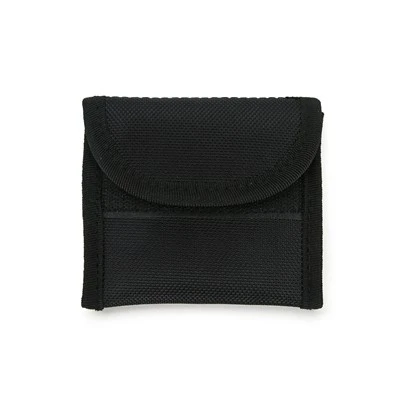
Let’s cut to the chase: a basic, empty tactical vest for training or recreational use might clock in at 2 to 4 pounds. But add the stuff you actually carry on a mission, patrol, or even a long day at the range, and that number jumps fast. Most tactical vests aren’t just a fabric shell—they’re built to hold gear, and that gear adds up. Let’s break this down, because there’s no one-size-fits-all answer here.
First, let’s talk about the vest itself. The material matters a lot. A cheap, entry-level vest for newbies is usually made of 600D polyester or nylon. That stuff’s durable, lightweight enough, but it’s not going to hold up to heavy use in the field. A mid-tier vest, the kind we sell most of, uses 1000D nylon or Cordura—thicker, sturdier, and a little heavier, but it resists tears, scrapes, and all the abuse you throw at it. Then there are the combat-grade vests, the ones military units use. Those are made with ballistic-rated materials like Kevlar or Spectra, and those plates (the hard armor inserts) are where a lot of the extra weight comes from. Even an empty ballistic vest, no plates, can be 5 to 8 pounds just for the carrier. That’s just the vest, before you add anything else.
Now, the gear you load onto it. This is where the weight really fluctuates. Let’s say you’re a recreational airsoft player—you might carry a few mags, a water bottle, and a small first aid kit. That adds maybe 2 to 3 pounds. If you’re a hobbyist shooter doing a 3-gun competition, you might have 10 to 15 mags, a hydration bladder, extra ammo, and a repair kit—suddenly you’re looking at 10 to 12 pounds total. For actual military or law enforcement use, it’s way different. A typical combat loadout (plates, mags, comms gear, first aid, hydration, maybe a tool or two) is between 20 and 30 pounds. I’ve had guys come to us and say they carry 35 pounds, and that’s after years of tuning their setup to fit their body and mission. It’s not just random, either—every pound adds up, and carrying too much for too long leads to fatigue, back pain, and even injuries.
Wait, but there’s a trick here. A lot of people think more weight means better gear, but that’s not true. We’ve had customers come in wanting the lightest vest possible for weekend hikes or training, and others who need the heaviest for patrols. We always tell them to match the weight to their use case. For example, a guy who only does occasional training and doesn’t want to lug around extra stuff should go for a lightweight carrier (2 to 3 pounds empty) with only the gear he needs—no extra mags he’ll never use, no bulky comms kit. A LEO officer who’s on duty 12 hours a day needs a vest that balances protection and weight, not one that’s so heavy he’s dragging his feet by the end of the shift.
Let’s also talk about fit, because that affects how the weight feels, even if the number on the scale is the same. A vest that’s too big for you hangs loose, so all the weight is pulling down on your shoulders. A vest that’s too small digs into your ribs, which makes 5 pounds feel like 10. We see this all the time—customers order a vest based on their size, but they don’t adjust the straps right, so the weight is distributed wrong. That’s why we always walk them through measuring their chest properly, testing the strap tension when they try gear on, and even adjusting the placement of pouches to shift weight to the hips instead of just the shoulders. Small tweaks make a huge difference in how a vest feels, even if the total weight is the same.
Another thing people don’t realize: the material of the pouches and attachments adds a little weight, but modern gear has gotten way better at cutting excess ounces. A decade ago, most pouches were thick, heavy nylon with metal hardware. Now, we use lightweight plastic or aluminum hardware, and even the pouch fabric is thinner but still durable, so each pouch saves a few ounces. Multiply that by 10 pouches, and you’re talking about a half pound you don’t have to carry. That might not sound like much, but over a 10-hour patrol, that half pound feels like a lot.
We also hear a lot from customers who are scared of being “overloaded.” They ask, “Is it okay to carry less than the standard?” And the answer is: only if it fits your mission. If you’re doing a 2-hour range trip, carrying 15 pounds of gear is unnecessary. If you’re on a 3-day patrol, skimping on essential gear (like a proper first aid kit or extra water) because you’re worried about weight is a mistake. It’s all about balance. We’ve had former military guys come to us and say they used to carry 28 pounds in the field, but now for civilian training, they carry 8 pounds max—and they say that’s way more comfortable for their lifestyle.
So let’s recap, to make this simple. If you’re just getting started, here’s a rough guide:
- Empty training/recreational vest: 2–4 lbs
- Empty mid-tier tactical carrier: 4–6 lbs
- Empty ballistic vest (military/LEO style): 6–8 lbs
- Loaded recreational/3-gun setup: 8–12 lbs
- Loaded patrol/training setup: 15–25 lbs
- Combat full loadout (military): 25–35 lbs
That’s a big range, right? And that’s why we push customers to be specific about what they’re using the vest for. If you’re vague, you’ll end up with something that’s too heavy or too light, and neither is good.
Now, as a tactical vest supplier, this is what we bring to the table. We don’t just sell you a vest and send you on your way. We ask questions: what’s your mission? How long will you be wearing it? What gear do you need to carry? Then we help you pick the right vest and adjust it so the weight is balanced. We’ve had customers come in who thought they needed a heavy military-grade vest for weekend airsoft, and we showed them a lightweight, mid-tier option that saved them 5 pounds total—they were thrilled. Others who thought a cheap entry-level vest was enough for duty, and we pointed out that it would tear after a month of use, so they upgraded to a sturdier one that lasted years.
We also test every vest we sell, and we update our designs every year to cut weight where we can without sacrificing durability. No one wants to carry more than they have to, especially if they’re spending hours in their vest. That’s why we work with materials that are tough but light, and we design pouches that are ergonomic so gear sits close to your body, not sticking out and making you unbalanced.
If you’re in the market for a tactical vest, don’t just look at the weight number. Think about how you’ll use it. Do you need to run, climb, or hike a lot? You want something lighter, with adjustable straps to keep the weight off your shoulders. Do you need protection? You’ll need ballistic plates, so factor that into your total weight. Do you carry a lot of gear every day? Make sure the pouches are the right size and the vest is set up to distribute weight evenly.

At the end of the day, tactical vest weight isn’t a number to brag about or avoid—it’s a tool. It should support you, not hold you back. If you’re not sure what’s right for you, reach out. We’re here to walk you through the options, answer all your questions, and help you find a vest that fits your needs, your budget, and your lifestyle. No sales pitches, just straight talk about what works.
Duty Gear References
- U.S. Army Research Laboratory. (2021). Load carriage and Soldier performance: A review of current research.
- Tactical Gear Association. (2022). 2022 Tactical Gear Weight and Ergonomics Survey.
- Military Times. (2020). Soldier loadout trends: How modern gear is changing weight distribution.
- National Rifle Association. (2021). Tactical equipment best practices for civilian shooters and enthusiasts.
Quanzhou Jinbei Bags Co., Ltd.
As one of the most professional tactical vest manufacturers and suppliers in China, we have world-leading production equipment and strong manufacturing capabilities. Please feel free to buy bulk high quality tactical vest for sale here from our factory. Customized orders are welcome.
Address: 302, NO.158-17, EAST DISTRICT, TANDING, HESHI, LUOJIANG , QUANZHOU, FUJIAN, CHINA
E-mail: jinbeibags@126.com
WebSite: https://www.jinbeibags.com/
