Can a Metal Baler Be Used to Recycle Metal at Home? Metal Baler
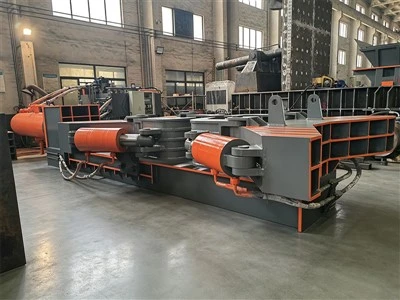
Hey everyone, it’s Jake from the Metal Baler supply team here, and today I want to talk about a question I get all the time from homeowners, small apartment dwellers, and even people with backyards full of old metal scrap: Can you use a metal baler to recycle metal at home?
First, let’s get one thing straight—when most people hear “metal baler,” they picture those big, industrial machines at scrap yards that look like they could crush a car into a cube the size of a mini-fridge. Those are for commercial operations, no question. But here’s what a lot of folks don’t know: there are smaller, purpose-built metal balers designed for residential and small-scale use. I’ve spent the last 8 years talking to people about metal recycling, and the shift in how regular people want to handle their scrap at home has been huge. More and more of us are tired of driving to the scrap yard every other weekend with a trunk full of old aluminum cans, steel bike frames, copper pipes, or even old garden tools. A metal baler for home can make that process way easier.
But let’s break this down realistically, because I’m not here to sell you something that doesn’t fit your space or needs. First, let’s talk about what a home metal baler actually does. Unlike industrial balers that run on high-voltage 3-phase power and take up half a warehouse, a residential metal baler is compact, usually sits on a standard garage floor or even a small patio, and works with 110V household current. It compacts loose metal scrap into dense, uniform bales—think 12×12 inch cubes, around 50 to 100 pounds each, depending on what you’re baling. The density is key because scrap yards pay by weight, so a dense bale takes up less space in your car and gets you more money when you drop it off.
Now, can you actually use one at home without dealing with a ton of hassle? Let’s walk through the practical side. I’ve had customers test our small residential models for months, and here’s what they’ve told me: first, space. The average home metal baler is about 3 feet wide, 4 feet deep, and 5 feet tall. If you have a 2-car garage, that’s totally doable—even a 1-car garage works if you can carve out a 4×5 foot corner away from your car or workbench. Some of our compact models are even smaller, around 2×3 feet, which fits in a backyard shed if that’s all you have.
Power is another big question. You don’t need special wiring or a big generator. All our home metal balers run on standard 110V outlets, same as your fridge or washing machine. That means you just plug it in, no electrical contractor needed. I’ve had a customer in suburban Ohio who runs his off an outlet in his garage, and he says it works perfectly for his weekly small scrap runs.
What about the types of metal you can baler at home? That’s a common concern. Residential metal balers work best with light to medium scrap: aluminum cans, steel food cans, aluminum foil (as long as it’s not too greasy), copper wire, small steel parts like bolts, nuts, old bike frames, small gardening tools, and even thin sheet metal. They’re not designed for thick, heavy metal like car frames, old appliances, or structural steel—those need industrial power and way more force. But for the scrap most homeowners generate, that’s exactly what you’ll be dealing with.
Here’s where it gets really practical: let’s talk about the process. Loose metal scrap takes up so much space. A bag of 50 aluminum cans weighs about 1 pound, and takes up a grocery bag full. When you run that same 50 cans through a home metal baler, it compacts them into a small, dense bale that’s around 10 pounds—so you’re reducing volume by 80% or more. That means you can collect scrap for weeks, build up a full bale, and only make a trip to the scrap yard once a month instead of every week. For people who live in areas without curbside metal recycling, that’s a game-changer. No more hauling a bunch of loose cans and ending up with dents in your car because they’re sliding around the trunk.
But wait—there are limits, and I need to be honest about those too. First, weight capacity. Our smallest residential balers have a max load of around 100 pounds per bale. That’s perfect for light scrap, but if you’re trying to put a 50-pound steel bike frame in it, that’s too heavy. The motor isn’t built for that, and it could damage the machine. Second, safety. Metal scrap has sharp edges—so you have to wear work gloves when you’re loading it into the baler, same as you would when handling scrap anyway. Also, don’t overload it—every machine has a max, and pushing past that is a risk for injury or damage. Third, cost. A good home metal baler isn’t cheap, but compared to how much time and gas you spend driving to the scrap yard, plus how much extra you get paid for denser bales, it pays for itself over time. I’ve had a customer in Chicago who started using our residential baler about 2 years ago. He said he spends $20 a month on gas driving to the scrap yard, and he gets an extra $50 to $75 a month because his bales are so dense. That’s a return on investment pretty quick.
Another point I want to cover is metal purity. When you’re recycling metal, scrap yards pay more for sorted metal—no mixed materials, no non-metal stuff like plastic or glass. A home metal baler doesn’t sort the metal for you, but that’s actually a good thing because you can sort it as you collect, and then baler each type separately. For example, you can collect all aluminum cans, all steel cans, all copper wire, and baler them into separate bales. That way, when you take them to the scrap yard, you get the top rate for each type. I always tell customers that sorting takes a few extra minutes, but it’s worth it for the extra money.
Now, let’s talk about common misconceptions. Some people think a home metal baler is too loud. Our residential models have a noise level around 65 decibels—about as loud as a normal conversation. That’s not going to disturb your neighbors, even if you’re using it in the evening. Others think it’s too complicated to use. Most of our home balers have a simple design: load the metal into the chamber, close the door, press a button, and it compacts automatically. The whole process takes 10 to 15 minutes for a full bale, and there’s very little maintenance—just occasional lubrication of the moving parts, which we include in our operation guide.
I also want to mention sustainability, because that’s a big reason people are interested in metal recycling at home. When you recycle metal, you’re saving a ton of natural resources. For example, recycling one ton of aluminum saves about 40 barrels of oil, 109 million BTUs of energy, and 40 acres of forest. Recycling steel saves even more energy—about 75% of the energy needed to make new steel from raw materials. If every homeowner with a garage used a small metal baler to compact their metal scrap, that would reduce the amount of metal going to landfills, cut down on transportation emissions from scrap trucks carrying loose metal, and put more money back in people’s pockets at the same time.
But here’s the thing: a home metal baler isn’t for everyone. If you live in a small apartment with no outdoor space or garage, it’s probably not practical. If you only generate a small amount of metal scrap, like a few cans a week, it might not be worth the investment. But if you have a yard or garage, generate a steady amount of metal scrap, and want to make recycling easier and more profitable, it’s absolutely an option.
I’ve worked with all kinds of customers over the years—from a retired teacher in Texas who uses her baler to recycle scrap from her small workshop, to a small business owner in Florida who runs a side operation collecting scrap from neighbors and baling it to sell to local scrap yards. All of them say the same thing: it’s one of the best home improvement investments they’ve made, even though it’s not something you’d see in a showroom or on a HGTV show.
If you’re still on the fence about whether a metal baler works for home use, here are a few questions to ask yourself: 1) Do I generate at least 50 pounds of metal scrap a month? That’s about 1000 aluminum cans, or a mix of scrap like wire, small parts, and cans. If yes, a baler will make sense. 2) Do I have space for a 2×3 to 3×4 foot machine? If you have a garage or shed, that’s no problem. 3) Am I willing to sort metal to get top dollar? That’s quick and easy, and makes a big difference. 4) Can I afford a machine that pays for itself in 1 to 2 years? If that fits your budget, it’s a no-brainer.
One last thing I want to share: I often get asked if home metal balers are durable. Our residential models are built with heavy-duty steel frames, same as industrial balers but scaled down. We back them with a 2-year warranty, and most customers say they’ve had theirs for 3 to 5 years with very few issues. The key is following the operation guide—don’t overload it, only baler compatible metal, and do regular maintenance.
At the end of the day, the answer to “Can a metal baler be used to recycle metal at home?” is a resounding yes—for the right person. It’s not the same as the big industrial machines, but it’s designed specifically for homeowners and small-scale recyclers, and it solves a lot of the frustrations of regular metal recycling. If you’re tired of hauling loose scrap around, losing money because your bales are too light, or taking extra trips to the scrap yard, a home metal baler is a practical, sustainable solution.
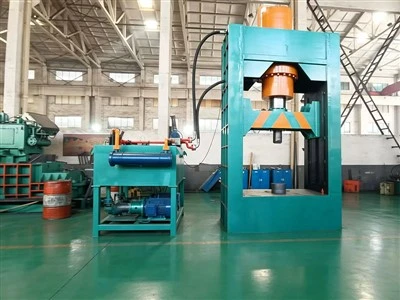
If you’re interested in learning more about our residential metal baler options, or want to discuss which model fits your space and needs, feel free to reach out to our team for a consultation. We can walk you through specs, answer any questions, and help you find the right machine for your home recycling goals. You don’t have to be a commercial operation to enjoy the benefits of metal baling—small-scale home recycling works, and we’re here to help you make it happen.
Alligator Shear References:
- American Iron and Steel Institute. (2022). Energy Savings from Steel Recycling.
- Aluminum Association. (2021). The Benefits of Aluminum Recycling.
- Institute of Scrap Recycling Industries. (2023). Residential Metal Recycling Trends.
- Occupational Safety and Health Administration. (2020). Safety Guidelines for Scrap Metal Handling and Processing.
Jiangyin Hangli Technology Co., Ltd.
Jiangyin Hangli Technology Co., Ltd. is one of the most professional metal baler manufacturers and suppliers in China. We are committed to providing high quality custom service and OEM service with low price. We warmly welcome you to buy high-performance metal baler for sale here from our factory. Also, pricelist is available.
Address: No. 11, Louxia Road, Zhouxi Village, Zhouzhuang Town, Jiangyin City, Wuxi City, Jiangsu Province, China
E-mail: sherry@hanglimachinery.com
WebSite: https://www.hanglirecycling.com/
