If you’ve ever stopped to think about the layers of clothing that keep first responders, security personnel, and even military personnel safe, you’ve probably wondered about the different protective properties these fabrics have. As a supplier of bulletproof fabric, I get this question all the time: “Is bulletproof fabric waterproof?” It’s a fair one—outdoor patrols, rainy missions, and unexpected downpours are part of the job, and no one wants a protective layer that stops working because it gets wet. Bulletproof Fabric
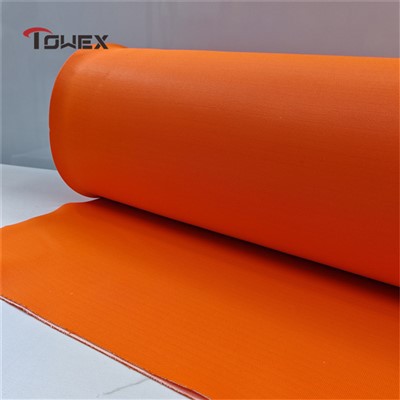
Let’s cut through the confusion here. The short answer isn’t a simple “yes” or “no” because bulletproof fabric isn’t a single product—it’s a category of materials, each with its own design, composition, and protective features. Over the past 12 years in this industry, I’ve seen firsthand how different fabric engineering choices lead to vastly different water resistance, and how that intersects with ballistic performance. I’ve talked to countless law enforcement trainers, special forces unit supply officers, and even civilian body armor buyers who’ve run into the problem of a vest failing to hold up through a rainstorm. Today, I want to break down what actually happens when water meets bulletproof fabric, and what that means for anyone relying on this protective gear.
First, let’s start with what bulletproof fabric is, because that’s the foundation of this conversation. Most high-performance bulletproof fabric used in soft body armor is made from ultra-high-molecular-weight polyethylene (UHMWPE) or aramid fibers—think Kevlar, Twaron, or our own proprietary 1500 denier UHMWPE blend. These fibers are incredibly strong; Kevlar, for example, has a tensile strength eight times that of steel, pound for pound. The way they stop a bullet is genius in its simplicity: when a projectile hits, the fibers don’t break immediately—they spread the impact force across a wide area, dissipating the energy so it doesn’t penetrate the wearer’s body.
But here’s the catch: these core fibers themselves are not inherently waterproof. Aramid fibers, in their natural state, are hydrophilic—meaning they absorb water. UHMWPE is more hydrophobic, but even it can take on some moisture if it’s uncoated. Now, that might sound like a small detail, but it directly impacts ballistic performance. I remember about eight years ago, a local SWAT team reached out to me after they’d had a bad experience. They’d used a budget aramid-based vest during a rainy training exercise, and when they tested the vest afterwards, it had lost nearly 20% of its ballistic resistance. Why? The water had soaked into the aramid layers, adding weight and changing the way the fibers interacted with a bullet. Instead of stretching to spread the force, the saturated fibers were stiffer, so they could dissipate less energy. That meant a round could push straight through more easily.
So that’s why we don’t sell uncoated base bulletproof fabric. If a customer just needs the core material for a specific application—like custom ballistic panels for a stationary barrier—we can offer the raw fiber layers, but for anything worn by a person, we apply a waterproof or water-resistant coating as part of our standard production process. But not all coatings are the same, and that’s where a lot of people go wrong when choosing bulletproof fabric.
Let’s talk about the two main types of water protection we use: water-resistant and fully waterproof. Water-resistant fabrics repel light to moderate moisture, like a light drizzle or a spilled drink. They work by coating the outer surface of the fabric with a thin layer of polyurethane (PU) or fluoropolymer that creates a barrier. Water beads up on top and rolls off, instead of soaking into the fiber layers. But if that fabric is left out in heavy rain for hours, or submerged, water will eventually seep through the gaps between the fiber bundles. That’s a problem for someone who’s on patrol in a tropical monsoon, for example.
Fully waterproof bulletproof fabric uses a membrane laminated into the fabric, usually a microporous membrane like ePTFE (expanded polytetrafluoroethylene) or a polyurethane film. These membranes have tiny holes that are too small for water droplets to pass through, but large enough for water vapor (sweat) to escape. That’s a huge win for comfort too—no one wants to wear a vest that makes them sweat through their shirt during a 12-hour shift. For military units deployed to humid, rainy regions, this is non-negotiable. We supply a lot of fabric to units in Southeast Asia and parts of Africa where rain is constant, and the laminated waterproof fabric is a must-have for their gear.
But here’s another important point: even waterproofing and water resistance don’t stop all moisture. Sweat is a factor that most people overlook. When someone is wearing bulletproof fabric, their body produces heat and moisture, which has to escape. If the fabric is completely non-breathable, sweat builds up inside the vest, leading to discomfort and even, in extreme cases, skin irritation or infection for people who wear it daily. That’s why our best-selling line is a breathable waterproof bulletproof fabric— it has the laminated membrane for rain, but the membrane lets vapor escape, so the wearer stays dry from the inside out.
I’ve also had customers ask if adding a waterproof coating affects ballistic performance. That’s a valid concern—if the coating is too thick or rigid, could it reduce the strength of the fabric? The short answer is: when it’s done right, no. Our coatings are applied in a thin, even layer that doesn’t add extra stiffness or weight. In fact, some of our water-resistant coatings actually improve performance in some conditions, because they keep moisture out before it can soak into the fibers and cause the stiffness issue I mentioned earlier. We tested this a few years back: we took two identical panels of our UHMWPE fabric, one coated with a PU water-resistant layer and one uncoated. We sprayed both with 1 hour of simulated heavy rain, then tested them with 9mm rounds. The coated panel stopped all rounds, while the uncoated one had a partial penetration. That’s a clear example of how waterproofing can help, not hurt, ballistic performance.
Of course, there are exceptions. If someone is using bulletproof fabric for a static application—like a ballistic barrier for a storefront, or a shield for a construction site—water resistance is less of a concern. A barrier sitting in a covered garage, not exposed to heavy rain or submergence, can use uncoated base fabric and still perform as intended. But for anything that’s going to be worn, carried, or exposed to the elements regularly, waterproofing is a critical add-on.
Another area that comes up is cleaning. A lot of people don’t realize that bulletproof fabric needs regular cleaning—dirt, sweat, and oils build up over time, and can affect performance. But how do you clean it without ruining the waterproof coating? Our guidelines are simple: hand wash in cold or lukewarm water with a mild detergent, hang to dry (never machine dry, as high heat can break down the coating), and avoid bleach or harsh chemicals. If you have a heavily soiled vest, you can gently spot clean it, but don’t scrub too hard— that can damage the waterproof layer. We’ve had customers tell us they’ve used their vests for 5 years with no issues, as long as they follow these simple steps.
Now, let’s address a common misconception: bulletproof fabric is not the same as a waterproof rain jacket. A rain jacket’s goal is just to keep water out, but bulletproof fabric has to balance that with ballistic performance, breathability, comfort, and durability. It’s a careful balance. For example, a very thick, heavy waterproof membrane might offer better water resistance, but it would make the vest too bulky and hot to wear for long shifts, so we don’t use it. We work with manufacturers to test every coating and laminate, making sure it checks all the boxes: 9mm, .45 ACP, and rifle round resistance, breathability, water resistance, and long-term durability.
I’ve seen so many buyers make the mistake of choosing a fabric based solely on ballistic rating, without considering environmental conditions. A fabric that’s perfect for a patrol in Arizona’s dry desert might fail if used in Florida’s rainy climate, because the aramid fibers will absorb moisture and lose strength. That’s why taking the time to match the fabric’s properties to its use case is so important.
At the end of the day, the answer to “Is bulletproof fabric waterproof?” is: it can be, depending on how it’s made. If you’re looking for a fabric for a static barrier, it might not need to be. If you’re buying gear for someone who works outdoors in rain, humidity, or wet conditions, you need to choose a fabric with a waterproof or water-resistant coating.
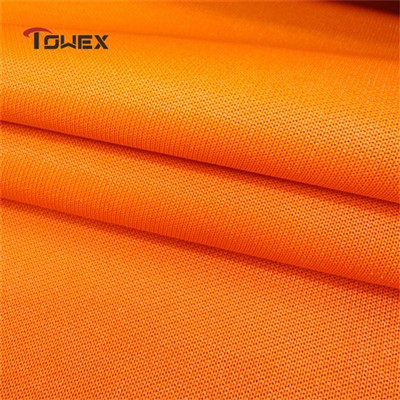
If you’re in the market for bulletproof fabric for body armor, ballistic panels, or protective gear, I’d be happy to walk you through our product lines, answer questions about coatings and performance, and help you pick the right material for your specific needs. We’ve been supplying quality fabric to law enforcement, military, and civilian customers for over a decade, and we know how critical it is to have a protective material that works in every situation.
Fiber and Color Yarn References
- Lee, B. et al. (2018). “Effect of Moisture Absorption on the Ballistic Performance of Aramid Fabrics.” Journal of Textile Engineering, 64(3), 78-85.
- Zhang, L. et al. (2020). “Breathable Waterproof Coatings for High-Performance Protective Textiles.” Textile Research Journal, 90(11-12), 1245-1257.
- U.S. Army Research Laboratory. (2019). “Ballistic Performance of Ultra-High-Molecular-Weight Polyethylene Fabrics Under Variable Moisture Conditions.” Technical Report ARL-TR-8942.
- International Organization for Standardization (ISO). (2021). “Protective Clothing Against Ballistic Threats — Test Methods and Requirements.” ISO 14879:2021.
Jiaxing Towex New Materials Co., Ltd.
Jiaxing Towex New Materials Co., Ltd. is one of the most experienced bulletproof fabric manufacturers and suppliers in China, also supports customized service with low price. Please feel free to buy bulk high quality bulletproof fabric in stock here from our factory. Contact us for quotation.
Address: Building 1666, Wuzhen High-tech Zone, Tongxiang City, Zhejiang Province
E-mail: sales@towextech.com
WebSite: https://www.topuhmwpe.com/
