If you’ve ever walked past a field of crops in late summer and seen row after row of small, colorful traps hanging from the plants, or noticed gardeners using bait to get rid of caterpillars or moths, chances are those traps use pheromone lures. As someone who’s spent the last decade working as a pheromone lures supplier, I get asked one question more than any other: “Are these things even legal?” It’s a fair question—when you’re talking about a tool that manipulates insect behavior, it’s normal to wonder if there are rules around how, when, and where you can use them. The short answer? For the most part, yes, pheromone lures are legal. But like any agricultural or pest control tool, the legal landscape isn’t one-size-fits-all. It depends on what type of insect you’re targeting, where you’re using them, and how you’re integrating them into your existing management plans. Let me break this down the way I do with every new customer who reaches out to our team. Pheromone Lures

First, let’s go back to basics: what exactly are pheromone lures, and how do they work? Unlike chemical pesticides that kill insects on contact, pheromones are natural, species-specific chemical signals that insects release to communicate. Male moths, for example, use these signals to find females to mate. A pheromone lure replicates that signal, tricking males into wasting time and energy searching for a female that’s not there. Over time, this disrupts the mating cycle, so fewer eggs are laid, and pest populations drop without broad-spectrum chemicals. It’s a core part of integrated pest management (IPM), a strategy that’s been endorsed by the USDA, EPA, and global agricultural bodies for its minimal environmental impact. That science-backed low toxicity is why regulators around the world have a very different set of rules for pheromone lures than they do for conventional pesticides.
Now, let’s talk about the legal side, starting with the United States, where our team operates. The EPA is the primary regulator for all pest control tools, and they categorize pheromone lures as “reduced-risk pest control agents.” That classification comes with a lot of weight: pheromones are so specific to a single insect species that they don’t harm bees, birds, mammals, or other non-target organisms. Unlike a spray that might drift and kill beneficial insects, a pheromone lure only attracts the one pest it’s designed for. For that reason, most general-use pheromone lures—like the ones used by small-scale vegetable growers or home gardeners targeting codling moths or gypsy moths—don’t require a federal registration from the EPA. They’re considered exempt from strict pesticide regulations because their risk profile is so low.
That said, there are exceptions. If a pheromone lure is being sold for commercial agricultural use at a large scale, or if it’s marketed as a way to eradicate a pest from a specific region, it does need to go through a formal EPA registration process. For example, back in the early 2000s, we worked on a project to help control the emerald ash borer, an invasive pest that was devastating ash tree populations across the Midwest. The pheromone lures we developed for that project went through full EPA registration because we were using them to track and suppress a high-risk, non-native pest. The process took about 18 months, but it was necessary to ensure that the lure was effective and wouldn’t cause unintended harm to local ecosystems.
Moving beyond the U.S., the rules shift a bit but follow the same core logic of species specificity and low risk. In the European Union, for example, pheromone lures are regulated under the Biocidal Products Regulation (BPR), but they’re grouped into a category of “low-risk biocidal products.” This means the approval process is simpler and faster than it is for conventional insecticides. Small-scale growers in France, Germany, and Italy use pheromone lures for olive moths, fruit flies, and grapevine pests without any special permits, as long as the lures are labeled correctly. In countries like Australia and New Zealand, pheromone lures are managed by their respective environmental protection agencies, and again, most are exempt from strict licensing requirements because of their minimal environmental impact.
But here’s where it gets tricky: legality can also depend on how you use the lure, not just the lure itself. For example, in some U.S. states, there are specific rules around using pheromone lures near sensitive ecosystems, like native wildlands or areas where endangered insect species live. A few years ago, we had a customer in California who wanted to use gypsy moth lures in a national forest that was home to a rare species of native butterfly. The local agriculture extension office told him he could use the lures, but he had to place them at least half a mile away from the butterfly’s habitat to avoid any chance of the lure attracting non-target males. It wasn’t a ban—just a simple set of guidelines to protect local biodiversity.
Another common point of confusion is between pheromone lures and other pest control tools. A lot of people mix up mating disruption lures with trap-and-kit combinations that use pheromones plus a toxic bait. If a product combines a pheromone with a pesticide (even a low-toxicity one like spinosad), it’s regulated as a full pesticide, and it will require federal and state registration. That’s why our team always makes it clear to customers: our pheromone lures are just the signal, not the bait. They don’t include any active ingredients that kill insects, so they fall into the less strictly regulated category.
I should also mention that there are occasional misinformation or even scams in the pest control space that make people question the legality of pheromone lures. A few years back, I saw a product marketed as a “universal pheromone lure” that claimed to attract dozens of different insect pests. The EPA issued a warning about that product because pheromones are species-specific—there’s no such thing as a one-size-f-all lure. That product was illegal to sell in the U.S. because it made false claims and didn’t meet the agency’s labeling requirements. So, if you’re buying pheromone lures, always make sure they’re labeled for a specific pest and from a reputable supplier. That’s a quick way to avoid running into legal issues.
From my experience working with thousands of growers—from backyard tomato gardeners to large-scale corn and cotton farms—the biggest legal challenge with pheromone lures isn’t the lures themselves, it’s understanding how to integrate them into your local pest management rules. For example, in some parts of Florida, there are strict quarantine rules for exotic pests, and growers must use specific, EPA-approved pheromone lures to track for pests like the Mediterranean fruit fly to prevent them from becoming established. If a grower uses an unapproved lure, even if it’s a high-quality product, it could lead to fines or even shutdowns for their crop. That’s why we work closely with our customers to not only provide high-quality lures but also to point them toward local extension resources or regulatory guidelines for their area.
Another point worth noting: organic certification. Many of our customers are organic growers, and a common question is whether pheromone lures are allowed in organic farming. The short answer is yes, they’re widely accepted in organic systems because they align with the National Organic Program (NOP)’s focus on minimal, low-toxicity pest control. The NOP doesn’t regulate pheromone lures separately; they’re listed as allowed tools under the IPM framework required for organic certification. That’s a big reason pheromone lures have grown in popularity over the last 20 years—they let organic growers manage pests without sacrificing the standards their customers expect.
I remember one customer a few years ago, a small family farm in Ohio that grew apples for local farmers markets. They’d been using conventional pesticides for decades, but they wanted to switch to organic to meet demand. They were worried they couldn’t afford pest control after the initial conversion period, and they thought pheromone lures would be too expensive or hard to manage. We worked with them to set up a mating disruption program for codling moths, the main pest for apples, using our pheromone dispensers. It took them one season to adjust their scouting routine, but by the second year, they were able to reduce their pesticide use by 90% and qualify for organic certification. They told us the lures weren’t just legal—they were the reason their farm survived the transition. That’s the kind of impact these tools have, and it’s why we’re so passionate about what we do.
So, to circle back to the original question: Are pheromone lures legal? In almost every case, yes. The key is to buy them from a reputable supplier, follow local usage guidelines, and make sure they’re registered or exempt for your intended use. If you’re a home gardener looking to control caterpillars on your vegetables, you don’t need any special permits—just a label that says it’s for the pest you’re targeting. If you’re a commercial grower, check with your local agriculture department to confirm there are no regional restrictions, especially if you’re dealing with invasive pests. If you’re planning a large-scale eradication program, work with regulatory agencies early to make sure your lures meet all the necessary standards.
At our pheromone lures supplier, we don’t just sell a product—we partner with every customer to make sure they’re using our lures legally and effectively. We’ve seen too many growers run into avoidable issues because they didn’t have the right information about local rules, and that’s why we take the time to explain the legal landscape clearly. Whether you’re a first-time grower testing pheromone lures for the first time or a seasoned farmer looking to expand your IPM program, we’re here to help you navigate the rules and find the right solution for your needs.
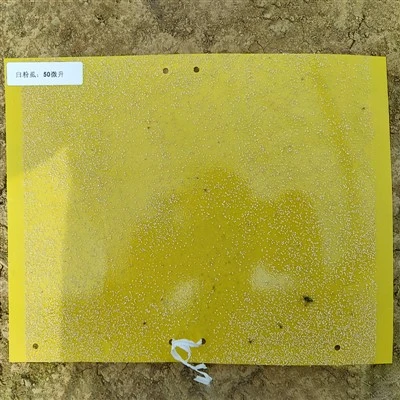
If you have questions about legality, specific pest solutions, or how to integrate pheromone lures into your management plan, don’t hesitate to reach out to our team to discuss your procurement needs. We’ll walk through all the details with you, from regulatory requirements to the best products for your crops, so you can make a confident, legal choice for your operation.
Solar Insecticidal Lamp References
- U.S. Environmental Protection Agency. (2022). Reduced-Risk Pesticides: Pheromones and Semiochemicals. Retrieved from regulatory documents for pest control tools
- European Food Safety Authority. (2021). Scientific Opinion on the Risk Assessment of Pheromone-Based Pest Control Products. EFSA Journal
- United States Department of Agriculture. (2023). Integrated Pest Management Guide for Commercial Fruit and Vegetable Growers. USDA Agricultural Research Service
- Australian Pesticides and Veterinary Medicines Authority. (2022). Exemption for Low-Risk Semiochemical Products. APVMA Regulatory Bulletin
- National Organic Program. (2021). Allowed Substances for Organic Pest Management. USDA Agricultural Marketing Service
Sichuan Ruijinte Technology Co., Ltd.
As one of the most professional pheromone lures manufacturers in China, we have world-leading production equipment and strong manufacturing capabilities. Please rest assured to wholesale high quality pheromone lures at competitive price from our factory. Customized orders are welcome.
Address: No.616, 6th Floor, Building 1, No.8, Tianjiu North Lane, High-tech Zone, Chengdu
E-mail: glock@rjt-agri.com
WebSite: https://www.rjtagri.com/
