If you’ve ever worked in manufacturing, mining, power generation, or chemical processing, you know industrial centrifugal fans aren’t just pieces of equipment—they’re lifelines. They move air for combustion in boilers, ventilate confined spaces, extract harmful fumes, and keep entire production lines running. But here’s the hard truth: I’ve seen too many fan operators and maintenance teams write off unexpected downtime as “just part of the job.” As an industrial centrifugal fan supplier with 12 years of hands-on experience troubleshooting and upgrading units across 20+ industries, I’m here to tell you that most reliability issues are predictable and fixable. Today, let’s break down exactly how to boost your fan’s reliability, with real-world lessons I’ve learned in the field. Industrial Centrifugal Fan
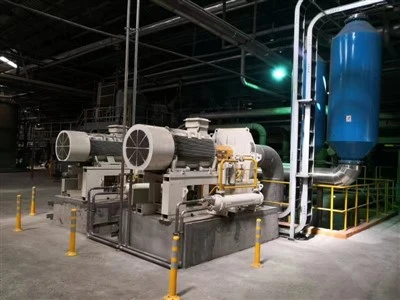
Let’s start with the most common silent killer of centrifugal fans: imbalance. I once visited a steel mill in the Midwest where their 50,000 CFM forced-draft fan was tripping on vibration alarms twice a month. The maintenance team had replaced bearings twice in six months, but the problem kept coming back. When I pulled the fan for inspection, we found a 3mm thick layer of dust and mill scale built up on one side of the impeller. Even a small, uneven deposit—just 1% of the impeller’s total weight—can throw it off balance enough to cause vibration that wears out bearings, shafts, and seals prematurely. That fan had zero on-board balancing monitoring, so they never caught the buildup until it was too late.
Imbalance doesn’t only come from material buildup. Worn impeller blades, bent shafts, or even loose fasteners on the rotor assembly can cause it. The solution? Don’t wait for vibration to cross a dangerous threshold. Implement a regular balancing schedule: every 6 months for high-dust environments, and annually for clean-air applications. Use dynamic balancing, not static balancing—static only checks for side-to-side weight, while dynamic accounts for rotational movement, which is critical for fans running at 1,000+ RPM. For the steel mill, we installed a simple online vibration monitoring system that alerts the team when imbalance reaches 5% of the fan’s allowable threshold. Since then, they haven’t had a single unplanned fan failure related to imbalance in 18 months.
Next, bearing failure is the second most common cause of centrifugal fan downtime, and most issues trace back to lubrication mistakes, not defective bearings. I worked with a food processing plant a few years ago that was using a generic grease for their clean-air exhaust fans. They were over-greasing every month, which forced excess grease into the bearing housing, causing it to overheat and break down. The bearing then wore out in less than a year, instead of the 5+ year lifespan it’s designed for.
Lubrication for industrial centrifugal fans isn’t one-size-fits-all. First, match the grease (or oil, for sleeve bearings) to your operating temperature: high-temperature applications (like boiler fans) need heat-stable synthetic grease, while low-temperature environments (refrigeration plants) need grease that won’t thicken in cold. Second, follow the manufacturer’s reluification schedule—but adjust it for your specific conditions. High-dust or high-humidity environments might need more frequent checks, while fans in clean, controlled spaces can go longer. Over-greasing is just as bad as under-greasing: most fan bearing housings are only 30-40% full when assembled, so adding more than that creates excess heat. We helped the food processing plant switch to a food-grade synthetic grease tailored for their 90°F operating temp, and set up a quarterly greasing check with a clear rule of thumb: add grease until it oozes out the weep hole at slow speed, then stop. Their bearings now last an average of 4 years, cutting bearing-related maintenance costs by 75%.
Now, let’s talk about a mistake I see every day: improper ductwork connection at installation. I still remember a power plant where their induced-draft fan was consuming 20% more power than the manufacturer’s specification. The maintenance team thought the fan was underperforming, so they were looking to buy a bigger, more expensive unit. When I inspected the ductwork, I realized the inlet duct was connected to the fan with a sharp 90-degree elbow right at the inlet, no transition piece, and no flow straighteners. This created uneven airflow into the impeller—called swirl—where air hit one side of the impeller harder than the other, wasting energy and putting extra stress on the fan’s shaft and bearings.
Swirl isn’t just an efficiency issue; it’s a reliability issue. Unbalanced airflow causes uneven loading on the impeller, leading to premature blade wear, increased vibration, and higher noise levels that can damage internal components over time. The fix is simple: ensure inlet and outlet ductwork has smooth, gradual transitions (at least 5 diameters of length for a reduction or expansion) instead of sharp elbows. Install flow straighteners at the inlet if the duct has any turns before the fan, and make sure the duct alignment is perfect—no offset or misalignment between the fan’s flange and the duct flange. For that power plant, we reworked the inlet duct with a gradual transition and added flow straighteners, cutting the fan’s power use back to specification and reducing vibration by 30%. They never needed that new, more expensive fan.
Another often-overlooked component is the impeller, and damage here is almost always preventable. I’ve seen impellers corrode in chemical processing plants just from exposure to corrosive fumes that the fan wasn’t designed to handle, and erode in mining operations from constant exposure to silica dust. One copper mine I worked with had their exhaust fan impeller wearing through at the blade tips in 2 years, instead of the expected 8. The problem? They were using a standard carbon steel impeller for fumes that had a pH of 2.5—way too corrosive for carbon steel.
Upgrading impeller material is a reliability investment that pays off long-term. For corrosive environments, choose materials like 316 stainless steel, Hastelloy, or even coated carbon steel with a polyurea or ceramic coating, depending on the chemical composition of the air. For abrasive environments like mining or sawmills, use hardened steel impellers or add hardface welding to the blade tips to resist erosion. The copper mine switched to a 316 stainless steel impeller, and now their impellers last 7 years on average. That’s 3.5x longer, and the cost of the upgraded impeller was recouped in less than a year from reduced replacement and downtime costs.
Don’t forget about the fan’s drive system either—belts, pulleys, and motors are often the weak link I see. A client in a print shop was dealing with belt slippage every few months, which would make their ventilation fan slow down, leading to ink fumes building up and triggering safety alarms. The maintenance team kept tightening the belts, which only led to premature bearing failure because of excess tension. The issue was mismatched belt sizes, and the pulleys were worn, so the belts couldn’t grip properly.
For drive systems, regularly inspect belts for wear, cracks, or glazing, and replace them as a set—never individual belts, because uneven tension will cause slippage and vibration. For high-load applications, consider switching from belt drives to direct drives, which have fewer moving parts, reduce maintenance, and improve efficiency. The print shop switched to direct drives for their smaller exhaust fans, and since then, they haven’t had a single belt-related failure. For larger fans, if you keep belt drives, make sure pulley alignment is checked every quarter—misaligned pulleys cause uneven belt wear and reduce fan reliability.
Finally, regular, data-driven inspections beat reactive maintenance every time. I’ve seen teams wait until a fan breaks before they do anything, but that’s the most expensive approach. A preventive maintenance schedule doesn’t have to be complicated. Do a weekly visual check: look for unusual vibration, leaks from seals, loose bolts, or abnormal noise (any grinding, squealing, or rumbling that’s out of the ordinary). Monthly, check lubricant levels and condition, and inspect ductwork for leaks or damage. Quarterly, do a vibration analysis and alignment check. Annually, pull the fan for a full inspection: check impeller for wear or imbalance, replace bearings if needed, and inspect seals.
The steel mill I mentioned earlier used to do only annual inspections, which is why they missed the impeller buildup. After we implemented their weekly visual checks and monthly lubricant checks, plus the online vibration monitoring, their fan downtime dropped by 90% in a year. That’s not a small number—for a plant that runs 24/7, even an hour of downtime can cost tens of thousands of dollars in lost production.
At the end of the day, improving centrifugal fan reliability isn’t about buying the most expensive unit on the market. It’s about understanding how your fan works in your specific environment, addressing the small, preventable issues before they turn into big, costly failures. As an industrial centrifugal fan supplier, I’ve worked with hundreds of clients across industries, and the ones with the most reliable fans are the ones that take the time to maintain their equipment, adjust their approach for their unique conditions, and don’t ignore the warning signs.

If you’re dealing with unexpected fan downtime, high maintenance costs, or just want to improve the reliability of your industrial centrifugal fan, I’m here to help. Whether you need a custom upgrade, a maintenance plan tailored to your operations, or guidance on selecting the right fan for your environment, we can work together to find a solution that fits your needs and budget. Reach out to start a conversation about your specific application and how we can help you keep your operations running smoothly.
Horizontal Multistage Pump References
- American Society of Mechanical Engineers. (2019). ASME PTC 11: Performance Test Code on Fans, Blowers, and Compressors.
- Hydraulic Institute. (2021). Centrifugal Fan Reliability Best Practices for Industrial Applications.
- National Fire Protection Association. (2020). NFPA 20: Standard for Stationary Pumps for Fire Protection (relevant to ventilation system integration).
- Gulich, J. F. (2008). Centrifugal Pumps and Fans: Design and Operation. Springer.
Xiaofeng Machinery Technology Co., Ltd.
As one of the most professional industrial centrifugal fan manufacturers and suppliers in China, we also support custom service. Please feel free to wholesale advanced industrial centrifugal fan made in China here from our factory. Quality products and reasonable price are available.
Address: No.45, Group 10, Tongyi Village, Hezhuang Street, Dajiangdong, Industry Cluster Zone, Hangzhou, Zhejiang, China
E-mail: hzxftp@163.com
WebSite: https://www.hzxfmt.com/
