If you’ve ever raised a rabbit—whether it’s a single dwarf lop in your apartment or a small herd in a backyard hutch—you know how specific their dietary needs are. Rabbits aren’t like cats or dogs; their digestive systems are designed for high-fiber, low-sugar, low-starch foods, mostly hay, fresh vegetables, and limited pellets. I’ve spent the last decade as a pet food bags supplier, and one of the most common questions I get from rabbit owners, small-scale rabbit breeders, and even veterinary clinic staff is this: “Are there pet food bags made specifically for rabbits?” The short answer is yes, but the long answer is about why generic bags don’t work for rabbits, what makes a rabbit-specific pet food bag different, and why choosing the right packaging matters just as much as choosing the right food for your furry friend. Let me break this down. Pet Food Bags
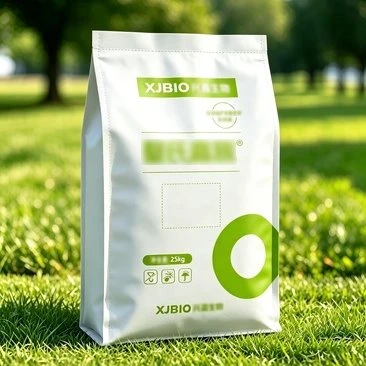
First, let’s talk about why generic pet food bags are a problem for rabbits. I used to get calls last year from a breeder in Ohio who told me she’d been storing her rabbit pellets in the same kind of plastic bag you’d use for dog kibble. Within two months, her entire batch of pellets went rancid. The issue? Dog food has a higher fat content than most rabbit pellets. Rabbits’ digestive tracts are sensitive enough that even a small amount of rancid fat can cause gastrointestinal stasis, a life-threatening condition where the gut stops moving. Generic dog and cat food bags are usually designed with a thin, single-layer plastic that doesn’t block oxygen or moisture well. Rabbits also tend to chew on anything they can get their teeth on—something every rabbit owner learns early, whether it’s a baseboard, a cord, or a food bag. Thin generic bags tear easily, letting in dust, mold spores, or even pests like ants or grain mites. Last month, a rabbit owner in Texas emailed me saying she’d found weevils in her rabbit pellets because the generic bag ripped after her bunny chewed through a corner. That’s not just a hassle; that’s a health risk. Rabbits eating weevil-infested food can develop GI issues or allergic reactions to the insects themselves.
Now, what makes a good rabbit-specific pet food bag? It starts with the material. Most high-quality rabbit food bags are made of multi-layered plastic, usually a combination of polyethylene (PE) and aluminum foil or metallized film. This barrier blocks oxygen, which is the main cause of fat oxidation and rancidity. For hay, which is the staple of a rabbit’s diet, the bag needs to block moisture too—hay absorbs water quickly, leading to mold growth that’s toxic to rabbits. Pellet bags, on the other hand, need to balance barrier protection with some breathability? Wait, no, actually, pellets can get stale if exposed to too much air, so a high-barrier film is better. Then there’s the design feature: chew-resistant layers. We add a extra layer of heavy-duty polyester or reinforced PE to our rabbit food bags, so they can withstand a rabbit’s strong teeth. We’ve tested these bags against rabbits of all sizes, from 2-pound Netherland Dwarfs to 12-pound Flemish Giants, and none have torn through a sealed bag. Another key feature is a resealable closure. Rabbits eat consistent portions every day, so you don’t want to open a 20-pound bag of pellets and have half of it go stale before you use it. Most of our bags have a zip-lock seal or a heat-sealable edge that keeps air out between uses. We also make hay bags with drawstring closures, which are easy to open and close, and keep hay dry even if you store the bag in a garage or barn where humidity is high.
Wait, but not all rabbit food is the same. Rabbit owners don’t just buy pellets—they buy timothy hay, orchard grass, alfalfa (for young rabbits), and even freeze-dried treats. Each of these needs a different kind of bag, which is another thing we’ve learned as a supplier. Alfalfa has a higher protein and calcium content, so it’s a bit more perishable than timothy hay. So our alfalfa bags have a thicker barrier layer to extend shelf life, while our timothy hay bags are designed to be light enough to carry but still durable enough for bulk purchases. Freeze-dried rabbit treats, which are a popular small item, need even more protection—our small treat bags have a foil inner layer and a mylar outer layer to keep the treats crisp and free from moisture. We also make custom-sized bags, from 1-pound treat bags to 50-pound bulk bags for breeders. That’s something most big pet food brands don’t do—they only make one or two standard sizes, but rabbit owners need options depending on how many bunnies they have.
Let me share a story that stuck with me. A small-scale rabbit rescue in Michigan reached out to me last year. They were using generic bags for their rescue rabbits’ pellets, and over the course of a winter, they lost six young rabbits to GI stasis linked to rancid food. When we met, they showed me their old bags—thin, crinkly, with holes chewed through the corners. We provided them with 25-pound custom rabbit food bags, free of charge for their rescue, and over the next six months, they didn’t lose a single rabbit to food-related issues. The rescue coordinator told me it wasn’t just the fresh food; it was the peace of mind of knowing the pellets were staying good until they were fed to the bunnies. That’s when I realized that rabbit-specific pet food bags aren’t just a product—they’re a way to protect an animal’s health.
A lot of people ask me why pet food brands don’t just use the same bags for rabbits as they do for dogs or cats. The truth is, most of the big brands don’t specialize in rabbit nutrition, so they don’t invest in packaging that’s tailored to rabbit needs. They treat rabbits as an afterthought in the small-animal category, selling the same cheap, thin bags they use for cat food. That’s where suppliers like us come in. We work directly with rabbit owners, breeders, and rescue groups to design packaging that meets their specific needs. We’ve also worked with small-batch rabbit food makers, who produce artisanal pellets with natural ingredients, to create custom bags that highlight their brand and protect their product. If you’re a small rabbit food producer, you don’t have to order millions of bags at once—we offer flexible minimum orders, so you can launch your product without breaking the bank on packaging.
But it’s not just about the bags themselves. It’s also about educating people on how to use them. A good bag is useless if you don’t seal it properly after opening. We include simple instructions on every bag: “After opening, zip to close tightly, and store in a cool, dry place away from direct sunlight.” Sunlight can break down the barrier in plastic bags, making them less effective at keeping oxygen out. We also advise not to transfer rabbit food to other containers, like plastic bins, because if the bin isn’t properly cleaned, it can introduce moisture or bacteria into the food. That’s a common mistake—many owners think a bin is airtight, but most plastic bins have gaps around the lid that let air in over time.
Another thing we’ve learned is that rabbit owners care about sustainability, too. A few years ago, we switched most of our rabbit food bags to recyclable materials, as long as they still met the barrier and durability requirements. We know that a lot of pet owners are trying to reduce their environmental impact, and we didn’t want our packaging to add to the problem. We worked with a packaging manufacturer to develop a recyclable multi-layer film that still blocks oxygen and moisture, so our bags are good for rabbits and good for the planet. We also offer compostable options for our small treat bags, for owners who want to minimize waste. That’s a big ask for packaging, because sustainable materials often don’t have the same barrier properties as plastic, but we’ve found a way to make it work for rabbits.
Let’s address some common myths I hear about rabbit food bags. One is that “paper bags are fine for hay.” Paper is breathable, but it lets in moisture and pests. I’ve had breeders tell me they used paper bags for hay and found mold growing within a week, even in dry climates. Paper also tears easily, so rabbits can chew through it in minutes. Another myth is that “any thick plastic bag works.” Thick plastic is often just a single layer, so it still lets oxygen and moisture through. It’s not about thickness—it’s about the layers and the barrier properties. We test every batch of our bags for oxygen transmission rate (OTR) and moisture vapor transmission rate (MVTR) to make sure they meet the standards for rabbit food storage. That’s something generic bags don’t do—they’re made for convenience, not for preserving sensitive animal food.
For breeders and large-scale operations, bulk rabbit food bags are a game-changer. We make 50-pound and 100-pound bags with reinforced handles, so they’re easy to lift and carry, even when full. We also offer bags with a gusseted bottom, which stands up on its own, so you don’t have to prop it against a wall or hold it open while you scoop food. That saves time for people who are feeding dozens or hundreds of rabbits a day. A lot of our breeder customers tell us that switching to our bags cut their food waste by almost half, because less food was going bad before it could be used. That’s a huge financial benefit, especially for small operations that run on tight budgets.
If you’re a rabbit owner reading this, and you’ve been using generic bags for your bunny’s food, I urge you to give a rabbit-specific bag a try. You’ll notice the difference immediately: the pellets will stay fresh longer, no more weevils or mold, and you won’t have to worry about your rabbit chewing through the bag and making a mess in your house. For people who breed rabbits or run a rescue, investing in the right packaging is an investment in your animals’ health. Rabbits are delicate, and every part of their care matters—from the hay they eat to the bag it comes in.
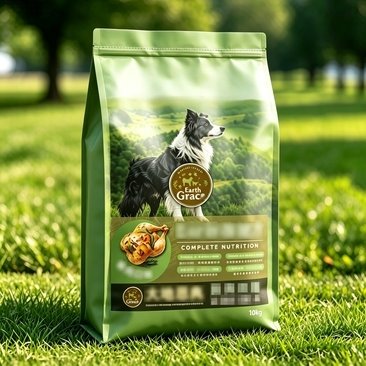
At the end of the day, we’re more than just a pet food bags supplier. We’re rabbit owners, breeders, and animal lovers who understand how important it is to provide safe, high-quality food for these amazing animals. We don’t cut corners on materials or design, because we know that a good bag can mean the difference between fresh, nutritious food and something that makes a rabbit sick. If you’re a rabbit owner, a small food producer, or a rescue group looking for custom, durable, rabbit-specific pet food bags, we’d love to talk with you about your needs. We can work with you on sizes, materials, branding, and even sustainable options that fit your values. Reach out, and let’s make sure every rabbit gets the safe, fresh food they deserve.
Livestock Feed Woven Bags References
- Harkness, J. E., & Wagner, J. E. (1995). Biology and Medicine of Rabbits and Rodents. Williams & Wilkins.
- The House Rabbit Society. (2022). “ rabbit Nutrition and Care Guidelines.” House Rabbit Journal.
- American Veterinary Medical Association. (2021). “ Gastrointestinal Stasis in Rabbits.” AVMA Small Animal Practice.
- Packaging Association for Flexible Packaging. (2020). “ Barrier Properties of Flexible Films for Pet Food Storage.” Journal of Flexible Packaging.
Zhejiang Xifeng Packaging Co., Ltd.
We are one of the most experienced pet food bags manufacturers and suppliers in China. With a professional production team, we offer a wide range of products with superior quality. Please feel free to buy bulk pet food bags at competitive price from our factory. We also accept customized orders.
Address: Xiaojiang Town, Pingyang County, Wenzhou City, Zhejiang Province, China
E-mail: zjxifeng@126.com
WebSite: https://www.xifengpackaging.com/
