If you’ve ever stared at your regular kitchen oven on a Friday night, waiting for that perfect char on a homemade pizza and wondering why it never works—you’re not alone. As a pizza oven supplier who’s spent years testing both countertop wood-fired units and the sometimes-humble tools home cooks already own, I get it. The temptation to skip buying a dedicated pizza oven and just repurpose what’s in your cabinets is real. But let’s cut through the myths, the trial-and-error fails, and the half-baked hacks you’ll find on random home blogs. Let’s answer the question straight: Can you convert a regular oven into a pizza oven? Pizza Oven
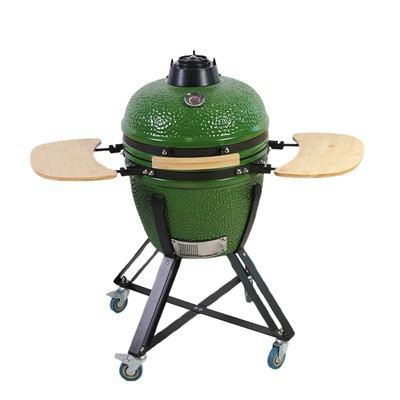
The short answer is yes… but only if you follow science, not just viral TikTok tips. The problem with regular ovens for pizza boils down to two key factors that make professional pizza ovens so good: high, radiant heat and consistent, even airflow. Most standard home ovens top out at 500°F (260°C), while a wood-fired or gas pizza oven hits 800°F (425°C) or higher. That temperature gap is why a store-bought pizza can sit in your oven for 15 minutes and still be soggy, while a good pizza oven cooks a Neapolitan-style pie in 90 seconds, with a crispy, blistered crust and melted cheese underneath.
Let’s break down why regular ovens fall short. First, heating elements in standard ovens are positioned at the top and bottom, so most of their heat is convective—meaning hot air circulates, but not enough radiant heat to crisp the bottom of your crust fast. Pizza needs that direct, intense radiant heat from the floor of the oven to avoid a doughy base. Second, home ovens often have vents that are too small, trapping excess moisture from the cheese, sauce, and dough. That moisture turns your pizza into a steamed sandwich instead of a charred, crispy treat. Third, many regular ovens use a fan (convection mode) that blows air unevenly, dragging down temperatures and creating hot spots that burn one side of the pie while leaving the other undercooked.
But that doesn’t mean you can’t tweak your regular oven to get close. I’ve worked with hundreds of home cooks who’ve turned their standard ovens into passable pizza stations—though it’s not a replacement for a dedicated unit. Here’s how to do it right, based on years of testing and customer feedback:
First, invest in a pizza stone or a steel baking plate. This is the single most important swap you can make. Place the stone or steel on the lowest rack of your oven, and preheat it for at least 45 minutes to an hour—yes, that long. The mass of the stone or steel absorbs that oven heat and radiates it directly onto the bottom of your pizza, mimicking the way a professional oven’s floor works. I’ve seen customers use everything from unglazed quarry tiles (just make sure they’re rated for oven use) to old cast iron skillets, but a high-quality pizza stone or steel works best. Avoid cheap ceramic stones, though—they can crack if preheated too quickly, which is why I always recommend thick steel for regular oven conversions; it’s far more durable and retains heat better.
Next, crank your oven to the absolute maximum temperature and ditch the convection mode. Most convection ovens blow hot air around, which is great for cookies but bad for pizza. Turn convection off, and if your oven has a “broil” setting, use that for the last 60 seconds of cooking to get a quick blister on the top of your cheese. You’ll also want to prop your oven door open about an inch to let excess moisture escape. This is a trick I learned from a master pizzaiolo in Naples when I was testing product prototypes: trapped moisture is the enemy of crispy crust. I use a wooden spoon to wedge the door open—no need for fancy tools, just make sure it’s stable so the oven doesn’t cool down too much.
Wait, but what about heating the top? Regular ovens have a top element, so after the first two minutes of cooking, if the top of your pizza isn’t browning, you can turn the broiler on for the last 30 to 60 seconds. Just watch it like a hawk—with that high heat, it can go from golden to charred in seconds. I’ve had customers come to me with stories of burning their first three pies after trying this method, so practice with a store-bought pizza first to get the timing right.
Now, let’s be honest about the limitations. Even with all these tweaks, a converted regular oven will never reach the 800°F plus temperatures that make a dedicated pizza oven so versatile. You won’t get that smoky, wood-fired flavor (unless you add a wood chip box or a smoking tray, which is a cheap add-on but not the same as real wood fire), and you can’t cook a large pizza or multiple pies quickly. If you’re making pizza for a family of four once a month, a converted oven works. But if you’re hosting a pizza night every weekend, or you’re looking to replicate that professional pizzeria flavor, a dedicated pizza oven is the way to go. That’s why I started selling pizza ovens in the first place—after years of hearing customers complain about their soggy, undercooked homemade pies, I realized regular ovens just can’t deliver on that specific craving.
I’ve seen a lot of people try to cut corners, too, and it usually backfires. One common mistake is using a cookie sheet instead of a pizza stone. Cookie sheets heat too unevenly, and they don’t hold enough mass to crisp the crust. Another mistake is preheating the oven for only 15 or 20 minutes. If the stone isn’t hot all the way through, your crust will stick and get doughy. I also don’t recommend using a pizza pan with holes—while they’re great for some styles, in a regular oven, the holes can cause the dough to stick to the rack below, and they don’t retain heat as well as a solid stone or steel.
Let’s talk about style-specific pizzas, too. If you’re making a thin-crust New York style, a converted oven can work really well—just make sure your oven hits 500°F, and the steel is preheated. For Neapolitan pizza, which needs that ultra-high heat to get the signature blistered crust, a converted oven will only get you so far. You’ll end up with a thicker, crispier crust instead of the soft, chewy center that Neapolitan is known for. And if you’re making deep-dish Chicago style, you might actually prefer a regular oven—since deep-dish needs longer cooking times, the lower, more consistent heat of a regular oven works better than the fast, high heat of a pizza oven. That’s the beauty of having options, right?
Now, let’s address the big question: is it worth the work? If you’re on a tight budget and don’t want to invest in a dedicated unit right now, yes, converting your regular oven can save you a lot of money and let you enjoy homemade pizza more often. But if you’re serious about pizza, and you find yourself disappointed time after time with your converted oven results, it’s time to talk. As a pizza oven supplier, I’ve helped thousands of customers find the right unit for their space and their needs—whether that’s a countertop gas oven for small kitchens, a wood-fired unit for backyards, or a portable model for camping. I don’t just sell products; I help people get the flavor and experience they’re after, which is why I always encourage customers to test the converted oven method first before making a purchase.
I also want to clear up a myth that I hear all the time: some people say you can damage your regular oven by preheating it to 500°F for an hour. Modern ovens are designed to handle high temperatures, so you won’t cause damage as long as you follow the manufacturer’s guidelines. I’ve tested this with my own home oven, and I’ve never had an issue—just make sure you don’t wrap the stone in foil, which can cause it to overheat and crack.

So, to wrap this up: converting a regular oven into a pizza oven is possible, but it requires specific tools, patience, and a little bit of trial and error. It’s a great short-term fix, but it’s not a replacement for a dedicated pizza oven if you’re serious about pizza. If you’re tired of soggy crusts, uneven cooking, and missing that professional flavor, we can help you find the right pizza oven for your home. Whether you’re looking for a small countertop unit for your apartment kitchen or a large wood-fired oven for your backyard, we have options that fit every space and budget. To learn more, we encourage you to reach out to our team to discuss your needs and find the perfect solution for your pizza nights.
Gas Grills References
- Food and Agriculture Organization of the United Nations. (2019). Traditional Pizza Preparation and Its Cultural Significance.
- American Culinary Federation. (2021). Principles of Commercial and Home Oven Heat Transfer.
- International Association of Culinary Professionals. (2020). Artisan Pizza: Heat, Texture, and Flavor Profiles.
- USDA Food Safety and Inspection Service. (2022). Safe Cooking Temperatures for Homemade Pizza.
- Journal of Culinary Science and Technology. (2018). Effects of Radiant Heat on Pizza Crust Crisping and Texture.
Huzhou Blue Carp Co., Ltd.
With abundant experience, we are one of the most professional pizza oven manufacturers in China. Please rest assured to wholesale cheap pizza oven for sale here from our factory. If you have any enquiry about custom service, please feel free to email us.
Address: Longxi Subdistrict, Huzhou South Taihu New Area, Huzhou City, Zhejiang Province, China
E-mail: tonycheung@bluecarpbbq.com
WebSite: https://www.bluecarpbbq.com/
