If you’re running a small or mid-sized operation that supplies cabinet locks, you probably already know wine cabinets aren’t your average storage unit. I’ve been in this game for 8 years now, and every time a winery, wine boutique, or even a residential customer hits me up asking about wine cabinet locks, they’re not just looking for something that keeps doors shut. They need something that gets their specific needs—so let’s break down exactly what features you should prioritize when picking a lock for a wine cabinet. Cabinet Lock
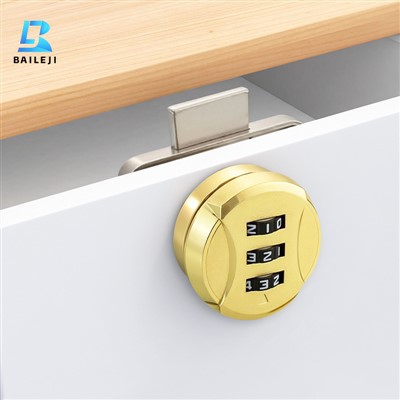
First, let’s talk about the core stuff that separates wine storage from a broom closet. Wine isn’t cheap. A single case of high-end red can run you $300+, and a whole cabinet holding a hundred bottles is an investment. Theft is one obvious risk, but so is accidental access—like a kid yanking a door open and knocking over a $500 bottle of Bordeaux, or a employee grabbing a special pour for a friend without logging it. A lock that’s flimsy won’t cut it here. We’ve had clients who tried using a basic drawer lock for their wine cabinets, and within a month, half of them were calling us because someone pried it open with a screwdriver. So durability is non-negotiable, but it’s not just about thick metal. Wine cabinets are usually stored in temperature-controlled spaces—think basements, climate-controlled closets, or even small commercial storage rooms. That means the lock can’t rust, corrode, or stop working when humidity creeps up or temps dip low. A lot of cheap locks use zinc alloy that will warp after a year in a damp wine storage area, so we stick with solid brass or hardened steel for our wine cabinet locks. That’s a big selling point, honestly—we tell every customer, “This lock isn’t gonna quit on you when you need it most.”
Next up: access control that’s actually useful for wine storage. Let’s face it, if you’ve got a wine shop with a back storage cabinet holding rare bottles, you don’t want just one key floating around. You need to track who’s opening the door, when, and why. A basic keyed lock doesn’t do that—if someone loses a key, you’ve got to rekey every lock, and you have no way of knowing if that missing key was used to grab a bottle. That’s where smart features come in, but not the over-the-top smart stuff for your home’s front door. We’ve tested all kinds of smart locks, and for wine cabinets, the sweet spot is something with either keycard access or a basic keypad, maybe even a fingerprint option for high-traffic commercial spaces. Why? Let’s use an example: a small wine bar we work with has a back cabinet of reserve wines. Before, their bartenders were sneaking reserve pours for friends, and they couldn’t prove it. Now, they use a keypad lock where each employee has a unique code. It logs every time the code is used, and at the end of the week, the manager can check the log to see who’s taking bottles. No more he-said-she-said. For residential customers, fingerprint access is nice too—no fumbling with keys or remembering codes, and you don’t have to worry about guests getting ahold of your wine cabinet keys. But wait, don’t sleep on the backup. We’ve had more than one customer who got a smart lock that died on them mid-weekend, and they couldn’t get into their own wine cabinet for a dinner party. So every one of our wine cabinet locks with a digital option has a physical backup key—just in case the battery dies, or the Wi-Fi cuts out (a lot of basements have spotty Wi-Fi, let’s be real). That’s a feature I see a lot of other suppliers skip, and it’s a huge pain point for customers.
Then there’s fit and convenience. Wine cabinets come in all shapes and sizes, right? Some are built into custom home bars, some are small countertop units, some are large commercial storage cabinets that hold hundreds of bottles. A lock that’s too big sticks out like a sore thumb and ruins the clean look of a custom cabinet. A lock that’s too small won’t secure the door properly, especially if it’s a heavy solid wood wine cabinet door. That’s why our wine cabinet locks come in different sizes—we have low-profile versions for custom units that don’t want extra hardware sticking out, and full-mortise versions for heavy commercial doors. Also, installation can’t be a nightmare. A lot of our residential customers aren’t handymen, so if the lock requires drilling 10 extra holes or custom cutting the door, they’ll pass. We designed our latest wine cabinet locks to fit most standard wine cabinet doors with just basic tools— a screwdriver, a drill, maybe a level. No fancy carpentry skills needed. We even send a free installation guide with every lock, and if a customer messes up, we offer free tech support over the phone. That’s a big one—customer service makes all the difference, especially when a customer is trying to install a lock for the first time.
Wait, let’s not forget about the unique needs of wine storage specifically. Wine cabinets often have glass doors, right? Especially in retail shops or luxury home bars. A lock for a glass wine cabinet can’t be something that scratches the glass, or blocks the display. We have a special glass-door lock that attaches to the edge of the glass, not the surface, so it doesn’t leave marks. That’s a feature we developed after a customer complained that their old lock left ugly scuffs on their $2,000 custom glass wine cabinet. Also, vibration—if a wine cabinet is on a floor that shakes, like in a busy restaurant or a home near a busy road, a lock that’s loose will rattle, and over time, the door might shift. Our locks have adjustable tension mechanisms so they stay tight even if there’s vibration, which keeps the door sealed properly. Wait, sealing is another big one. Wine needs consistent humidity and temperature, so if the cabinet door doesn’t close all the way, that can mess with the wine. A good lock for a wine cabinet should make sure the door latches tight, no gaps. That’s why we test every lock before it ships—we simulate slamming the door, testing the latch, making sure it doesn’t come loose. We even offer a 5-year warranty on all our wine cabinet locks, because we know how much customers invest in their wine storage.
Let me also mention something a lot of people overlook: compliance, especially for commercial wineries or wine shops. Some areas have laws around wine storage, like requiring secure locks to prevent underage access. A lot of standard cabinet locks aren’t rated for that, but our wine cabinet locks meet those safety standards. That’s a big plus for commercial customers, because they don’t have to worry about getting cited if a health inspector comes through. For residential customers too, if you have kids, a lock that meets safety standards means you don’t have to stress about them accessing your wine. We’ve had parents tell us they love that their kid can’t open the cabinet without their code, no more hiding wine bottles in the back of the pantry.
Now, let’s talk about what to avoid. I see a lot of suppliers pushing fancy smart locks with all kinds of features, like remote access, for wine cabinets. Honestly, that’s overkill 90% of the time. If you’re a residential customer, you don’t need to unlock your wine cabinet from your phone while you’re at work. It’s just an extra feature that adds cost, and more things that can break. We kept our smart options simple—keypad, fingerprint, keycard—no remote access, no fancy integrations. That keeps the price down and the reliability up. Another thing to avoid: locks that are only for specific door types. Some suppliers make locks only for wood doors, only for glass doors. We make locks that work for both, because we know customers have mixed cabinets.
Over the years, we’ve learned that the best wine cabinet locks aren’t just secure—they’re tailored to the specific use case. A winery’s back storage cabinet needs a lock that tracks access, is durable, and works in a damp warehouse. A residential customer’s wine bar cabinet needs a low-profile, easy-to-install lock that keeps kids out. A wine boutique’s display cabinet needs a lock that doesn’t scratch the glass. That’s why we don’t do one-size-fits-all locks. We work with each customer to figure out exactly what they need, not just sell them the most expensive lock in our catalog.
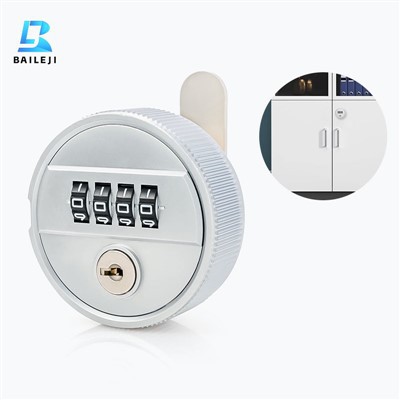
If you’re a winery, wine shop, or even a homeowner looking for a lock for your wine cabinet, don’t waste time on flimsy, overpriced locks from big box stores. Our team has been testing and building wine cabinet locks for years, and we know what works. We’ve helped hundreds of customers stop theft, track access, and protect their wine investment. If you’re ready to talk through your specific needs, or get a quote for bulk orders, reach out to us to chat. We’re here to answer any questions, help you pick the right lock, and make sure it works for you.
Padlock References
- Wine Storage Magazine. (2022). “Best Practices for Securing Wine Storage Facilities.” Vol. 18, No. 3, pp. 45-52.
- National Restaurant Association. (2023). “Commercial Wine Storage Safety and Security Guidelines.” National Restaurant Association Publications.
- American Wine Society. (2021). “Residential Wine Storage Security: Consumer Guide.” American Wine Society Press.
- Cabinet Hardware Association. (2022). “Durability Standards for Cabinet Locks in Humid Environments.” Cabinet Hardware Association Technical Bulletin.
- Small Retail Business Magazine. (2023). “Tracking Employee Access to High-Value Retail Inventory.” Small Retail Business Journal, pp. 19-24.
Suzhou Baileji Intelligent Lock Industry Co., Ltd.
As one of the most professional cabinet lock enterprises in China, we’re featured by quality products and good price. Please rest assured to buy discount cabinet lock in stock here and get pricelist from our factory. Also, customized service is available.
Address: 3rd Floor, Building 9, Shengteng Industrial Park, No. 8 Ruyuan Road suzhou, jiangsu, China
E-mail: vip@bailejilocks.com
WebSite: https://www.bailejilock.com/
