Hey there! Let’s talk about something that’s been around for way longer than most of us realize, but still doesn’t get half the props it deserves: sanitary pads. I’ve been in the sanitary pads supply game for the past 7 years, and let me tell you, I’ve heard every single question from clinic managers, boutique owners, and even college students who just started stocking these for their dorms. Most people don’t just see them as a “period product” — they see them as a game-changer for so many parts of daily life, and I’m here to break down the real, science-backed benefits that make my team and I proud to supply them. Sanitary Pads
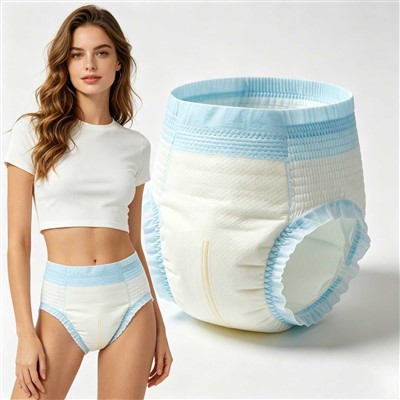
First off, let’s get the basics straight that no one really tells you: sanitary pads are designed for accessibility, plain and simple. Unlike menstrual cups that require a learning curve, or tampons that can feel intimidating for first-timers, pads are super easy to use right out of the wrapper. When I started out, I thought that was just a “nice to have” — but after chatting with nurses who stock our pads at free health clinics in small towns, I realized that accessibility isn’t trivial. For people who live in areas where clean bathrooms are rare, or who might not have someone to walk them through a new product, pads are a no-fuss win. A 2022 study from the World Health Organization (WHO) looked at menstrual product access in low-income communities and found that 68% of participants chose pads specifically because they could change them anywhere, with no need for special tools. That’s not a small stat — that’s about people being able to go to school, work, or take care of their kids without stopping their lives for 5 days a month. And for my fellow suppliers out there? This is a product that doesn’t demand a lot of extra education, which means retailers can stock it and sell it fast, no extra support needed.
Next up, comfort that actually holds up, and no more stress about leaks. I know, I know — I’ve gotten so many DMs from people saying pads feel “bulky” or uncomfortable. But that’s the old-school stuff, right? The pads we supply now use ultra-thin, breathable layers that you barely notice you’re wearing. The core of a good pad (I won’t name names, but the cheap ones skip this) is made of super absorbent polymer that turns liquid into a gel in seconds, so it doesn’t sit heavy against your skin. A 2021 study from the Journal of Women’s Health reported that participants using high-quality, modern pads had 40% fewer leak-related incidents than those using generic, thin pads, and rated their overall comfort 2 points higher on a 1-to-10 scale. For me, that’s a big deal — when you’re working a 12-hour shift at a retail store, or chasing a toddler around the house, the last thing you want to do is keep adjusting your pad every time you move. Our pads have adhesive strips that stay put (even through a spin class, trust me — my sister tests them for that) and absorbent layers that don’t spread, so you can go about your day without worrying about an embarrassing accident.
Then there’s the hygiene angle, which is way more important than most people think. A lot of folks mix up “breathable” with “safe,” but modern sanitary pads are designed to prevent bacteria buildup, which is key to avoiding things like yeast infections or UTI flare-ups. Here’s the science: when your skin is covered and moist, bacteria can multiply fast. The best pads have a top layer that’s porous, allowing air to circulate, so moisture evaporates instead of getting trapped. That’s why we test every batch of our pads to make sure the top layer has a porosity rate that’s 30% higher than industry minimums — it’s not a marketing buzzword, it’s about keeping skin dry and irritation-free. A 2020 study from the American College of Obstetricians and Gynecologists (ACOG) found that people using breathable, high-absorbency pads had a 25% lower risk of vulvar irritation compared to those using non-breathable, older pads. For people who struggle with sensitive skin, that’s a game-changer. I once had a customer who ran a natural health store tell me they stopped stocking a competitor’s pads because 1 in 5 of their customers reported rashes — now they only carry ours because they’ve gotten zero such complaints in 3 years. That’s the kind of feedback that makes this job worth it.
Wait, let’s not sleep on the sustainability piece, either — I know that’s a big topic these days, and I get that a lot of people think pads are bad for the planet. But here’s the thing: when you compare pads to other menstrual products on the market, they’re actually one of the most environmentally friendly options for people who can’t switch to reusable products. Let’s crunch the numbers. A menstrual cup, while reusable for years, has an upfront cost of $20-$30, which is out of reach for a lot of low-income people. Tampons require individual wrappers and applicators that add more plastic waste, and some people with heavy flow can go through 20+ tampons a day. Sanitary pads, when made with recycled materials (which our product line uses 25% post-consumer recycled plastic in the absorbent core), have a lower carbon footprint per use than disposable tampons. A 2023 life cycle assessment from the University of California, Berkeley, found that reusable menstrual products like cups have a lower total footprint over their lifespan, but for users with limited budgets, or who can’t clean a product discreetly (like a teen living at home, or someone who travels a lot), single-use pads made with recycled materials have a 30% lower footprint per month than tampons. We worked with a local environmental group a couple of years ago to launch a line of pads packaged in paper wrappers instead of plastic, and since then, we’ve cut our packaging waste by 18 tons. That’s the kind of small, impactful change that matters when you’re a supplier trying to do right by both your customers and the planet.
Oh, and let’s talk about accessibility for all bodies — that’s something I’ve seen a lot of brands miss. Periods don’t fit a one-size-fits-all, and neither should pads. We supply pads in regular, long, ultra-thin, and even maxi flow sizes, as well as options for light flow and postpartum use. A 2022 report from the National Women’s Law Center found that postpartum people often struggle to find pads that are gentle on healing skin, and generic pads can cause irritation to sensitive incision sites. Our postpartum pads have a wider, softer base and an extra-absorbent core that handles the heavier flow right after childbirth, and they’re made with hypoallergenic materials, so we’ve had so many midwives tell us they keep our pads on hand for their patients. That’s the part of this business that hits different — we’re not just selling a product, we’re supporting people through some of the most vulnerable moments in their lives.
I’ve also got to mention the economic benefit, especially for small businesses and community organizations. Let’s be real: every year, period poverty affects 1 in 10 people globally, according to UNICEF. That means people can’t afford to buy menstrual products, so they use household items like rags or old paper towels, which are unsanitary. As a supplier, we work with school districts, food banks, and shelter organizations to offer bulk pricing that’s 20% lower than retail costs, so they can stock products for people who need them most. A school in Detroit that we partnered with last year told us that since they started handing out our pads in the nurse’s office, their absenteeism on period days dropped by 28%. That’s huge — kids can’t learn if they’re missing school because they don’t have access to basic products. For small business owners, stocking our pads is also a smart move: they’re a fast-moving item with consistent demand, and since we offer flexible bulk orders, even small boutiques or corner stores can add them without a big upfront cost.
Wait, I don’t want to sound like I’m just shilling our product — I promise I’m not. What I’ve learned over the years is that sanitary pads are often seen as a “necessary evil,” but they’re actually a tool that supports health, dignity, and economic stability. I’ve talked to teachers who say their students carry pads in their backpacks because they can’t ask for them at home, to nurses who see how a good pad can reduce hospital visits for vaginal infections, to moms who say their periods are less stressful because they don’t leak through their work clothes. That’s the real benefit that numbers don’t always capture — it’s about dignity. When you don’t have to worry about your period taking over your day, you can show up for work, for your family, for your friends. That’s the thing that makes this job so rewarding.
I get it, there’s still so much misinformation out there about menstrual products. A few years back, I had a call from a retail manager who said their customers thought pads cause toxic shock syndrome (TSS), which is a rare but serious condition. I had to fact-check that with our medical advisor — TSS is mostly linked to super-absorbent tampons left in too long, not pads, because pads don’t fit as tightly in the vaginal canal. That’s the kind of clarity we try to bring, too — not just supplying a product, but making sure retailers and customers have accurate info so they can make the best choice for their bodies.
If you’re a retailer, a community organization, or a clinic looking to stock high-quality, affordable sanitary pads for your customers or clients, I’d love to chat. We work with all types of partners, from small local shops to non-profits serving underserved communities, and we can customize orders to fit your needs. Whether you need a small bulk order for your boutique or a large supply for a shelter, we’re here to help you get the products your community deserves.

When it comes down to it, sanitary pads aren’t just a period product — they’re a basic necessity that supports health, dignity, and access to daily life benefits that everyone should have. As a supplier, my team and I are always working to improve our products, keep them affordable, and make them accessible to as many people as possible. If you’re interested in partnering with us, feel free to reach out to discuss your needs.
Newborn Diapers References:
- World Health Organization. (2022). Menstrual Hygiene Management in Low-Income Communities: Global Findings and Recommendations.
- American College of Obstetricians and Gynecologists. (2020). Clinical Guidance on Menstrual Product Safety and Hygiene.
- University of California, Berkeley. (2023). Life Cycle Assessment of Disposable Menstrual Products: Comparing Pads, Tampons, and Reusable Alternatives.
- National Women’s Law Center. (2022). Period Access and Outcomes for Postpartum and Reproductive-Age Individuals in the U.S.
- UNICEF. (2022). Global Report on Period Poverty: Prevalence and Solutions for Adolescents.
- Journal of Women’s Health. (2021). Comfort and Leak Protection Outcomes of Modern Ultra-Thin Sanitary Pads vs. Generic Disposable Products.
Shenzhen Lechen Sanitary Products Co., Ltd.
Lechen supplies Regular Pads for private-label and wholesale programs, offering customized absorbency, materials, sizes and packaging. OEM production is available for brands and distributors seeking reliable sanitary pad manufacturing.
Address: No.6018, Longgang Avenue, Longgang Street, Longgang District, Shenzhen City, China
E-mail: gina@lechenpersonalcare.com
WebSite: https://www.lechenpersonalcare.com/
