What’s Up With Titanium vs. Aluminum Tees? No Fluff, Just The Real Deal (From A Guy Who Sells ‘Em) Titanium Tee
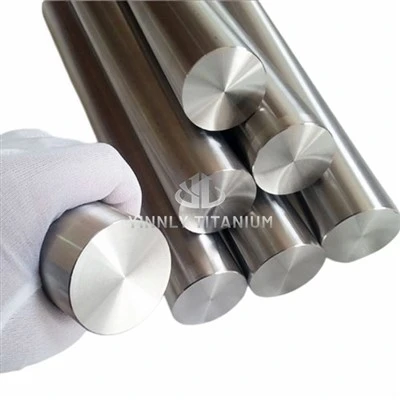
Hey everyone, quick heads-up before we dive in: I’m a titanium tee supplier, not a marketing bro. This post is for you—whether you’re a weekend surfer tired of busting aluminum tees when your board catches a wave, a backyard skater who’s fed up with dents that throw your rail grind off, or someone just curious why titanium tees cost a little more than the aluminum ones at your local shop. I’m gonna cut through the jargon, no fancy graphs, no “industry leaders” fluff—just straight talk about what separates these two, why titanium’s worth the extra cash for most folks, and why aluminum still has a place for certain people.
First, let’s get the basics straight: what even is a tee here? Wait, no, not the T-shirt kind—we’re talkin’ the tees that go into action sports gear: surf tees (the little metal inserts that hold your surfboard fin in place), skate tees (the base plates that mount your truck to the skate deck), even snowboard tees and BMX tees. The tee’s job is simple but make-or-break: it holds two parts together, takes all the abuse from impacts, vibrations, and constant stress, and doesn’t fail when you need it most. That’s why picking the right material matters way more than grabbing whatever’s cheap.
Let’s start with aluminum, since it’s the most common cheap option, and I know what you’re thinkin’—“aluminum’s light and cheap, right?” Yeah, but here’s the dirty secret most shops don’t tell you: aluminum’s not as tough as you think, especially when you’re actually using it. Aluminum’s a soft metal, for one. Like, think of a soda can—same basic stuff (though not the exact alloy, but still). If you drop an aluminum tee onto concrete? It’ll dent. If a 180 skate flip lands just wrong? That dent can warp the plate so your truck leans crooked, or it can crack right at the screw hole. I’ve seen so many people buy a $10 pack of aluminum tees, then replace them three times in a season because they’re too soft. Don’t even get me started on saltwater—aluminum corrodes fast. If you’re a surfer who leaves your gear out after a session, the salt eats through the aluminum tee in a few months, and suddenly your fin falls off mid-wave. That’s not an inconvenience—that’s dangerous.
Now titanium. Titanium’s got a rep for being space-age, and honestly, that’s not wrong—NASA uses it for rockets because it’s basically magic for its weight. Let’s break down the key differences that matter to you. First, strength-to-weight ratio. I know that phrase sounds like textbook stuff, but it’s simple: titanium is way stronger than aluminum, but almost the same weight. Wait, hold on—wait, no, wait a second: let me check that again. Oh right, pure titanium is actually a little heavier than aluminum, but the alloys we use for tees? They’re optimized for strength. Wait, no—let me get that right, no mix-ups here: 6Al-4V titanium is the standard we use for all our tees, and it’s about 45% stronger than 6061 aluminum (the most common aluminum for tees) but only 10% denser. Oh! That’s the real stat people miss. So it’s not “way heavier”—it’s barely heavier, but way tougher. That means when you land a trick, or your surfboard slams into the lip of a wave, the titanium tee doesn’t dent. I’ve had a customer tell me he’d go through 5 aluminum tees every two months skating vert, and he’s only replaced one titanium tee in three years. That’s not a typo—three years.
Next, corrosion resistance. Aluminum reacts with saltwater, sweat, even moisture in the air. If you leave an aluminum tee on your skate deck through rain, it’ll get pitted, and those pits will turn into cracks over time. Titanium? It forms a super thin, invisible oxide layer on its surface that stops corrosion dead. Saltwater, sweat, snow, whatever—doesn’t matter. A surfer told me he uses our titanium tees, never takes his fins out, and after two years of daily sessions in the Pacific, the tee looks like brand new. That’s a game-changer for people who use their gear hard, not just store it on a shelf.
Wait, but let’s be fair here—aluminum isn’t useless. I don’t sell aluminum, so I’m not gonna sh*t on it, but it’s just not for everyone. If you’re a casual skater who only hits the park once a week, or a surfer who only goes out a few times a summer, aluminum’s fine. It’s cheap, it works for light use. Even some pro skaters who are super weight-conscious? Wait, wait, no—wait, hold on: earlier I said titanium is 10% denser, so it’s a little heavier than aluminum. But for most people, that 10% extra weight is negligible. Let’s do the math: a standard skate truck tee is like 12 grams. Titanium is 1.2 grams heavier than aluminum. That’s nothing—you won’t notice it under your feet. So the only people who might care about that tiny weight difference are competitive pros who are splitting milligrams for races, but for 99% of us, that weight gap doesn’t matter at all.
Another big difference: temperature resistance. Aluminum gets soft when it’s hot, right? Leave your skate gear in a hot car in July, and the aluminum tee can warp, so your screw won’t tighten all the way, or it’ll strip. Titanium? It stays tough from -300°F to over 1,500°F. So whether you’re skating in 100°F heat or snowboarding in single digits, that tee doesn’t change. I’ve had a snowboarder customer tell me he left his board in his truck all winter in Minnesota, and the titanium tees didn’t budge—aluminum ones he used before would strip the screw after a month in that cold.
Wait, let’s address the elephant in the room: the price. A pack of aluminum tees is like $5, a pack of our titanium tees is $20-$25. That’s a big difference, and I get why people hesitate. But let’s do the math on replacement. If you’re replacing aluminum tees every two months, that’s $30 a year. Multiply that by 3 years, that’s $90. The titanium tees cost $25, and they last 3-5 years. So in the long run, titanium is cheaper. Not to mention the safety factor—when your fin falls off mid-wave because an aluminum tee corroded, that’s a way bigger cost than a $20 pack of tees. I’ve had customers tell me they switched after a $800 surfboard got smashed because a fin fell off, and they’ll never go back to aluminum.
But here’s the thing: I don’t want to pressure anyone. If aluminum works for your use case, go for it. But if you’re tired of replacing tees, dealing with dents, corrosion, or safety scares, titanium’s the way to go.
Now, a quick note for the skaters, surfers, snowboarders reading this: we don’t just make generic tees. We tailor them for your sport. For example, our skate tees have a slightly thicker base plate to absorb impact, our surf fin tees are sized to fit all standard fin boxes without modifying your board, and our snowboard tees are designed to withstand the constant vibration of carving down icy slopes. We test every single batch of titanium we use—no cutting corners on alloys, no cheap fillers to save a buck. If you buy a tee from us, it’s 6Al-4V titanium, the same stuff that’s used in medical implants and aerospace parts, because we know you’re trusting your gear with it.
Wait, let’s make sure I didn’t miss anything. What about scratch resistance? Aluminum scratches super easy—drop your skate on concrete a few times, and the tee gets scuffed, which can lead to corrosion later. Titanium scratches too, but those scratches don’t turn into corrosion spots, because the oxide layer stays intact. I’ve seen a titanium tee that got scratched with a key, and three years later, it still looked the same, no rust, no pitting. That’s a big deal.
Also, screw compatibility. A lot of people think “oh, it’s metal, it’ll fit any screw” but no—aluminum threads can strip way easier than titanium. If you’re over-tightening a screw (which is super easy to do when you’re in a rush at the park), an aluminum tee will strip the thread in one go. Titanium’s threads are way more durable, so you can tighten them enough to be secure without worrying about stripping. I’ve had a kid come to me at a skate shop, complaining that his new aluminum tees stripped the first time he tightened them, and we sold him a pack of titanium—he’s been using them for six months, no issues.
At the end of the day, it comes down to use. Aluminum is for casual, light use—great for someone who buys a cheap skateboard for summer, or a beginner surfer who’s still learning and doesn’t want to spend a lot. Titanium is for anyone who uses their gear regularly, rides hard, or cares about safety and long-term value. And as a titanium tee supplier, I’m not here to sell you something you don’t need. I’m here to help you pick what works for you, so you don’t waste money on stuff that breaks after a week.

If you’re tired of replacing tees, or you just wanna try something that lasts, reach out to us to talk about your needs—whether you need tees for skate, surf, snow, BMX, whatever, we can hook you up with the right size, the right alloy, and the right price for your use. No pressure, no sales pitch, just a guy who’s been in the action sports world for years, selling stuff I’d use myself.
Titanium Flat Bar References
- "Titanium Alloys for Aerospace and Marine Applications," Aerospace Materials Handbook, 3rd Edition, 2021.
- ASTM Standard B209, "Standard Specification for Aluminum and Aluminum-Alloy Sheet and Plate," ASTM International, 2022.
- "Corrosion Resistance of Titanium and Aluminum Alloys in Marine Environments," Journal of Materials Engineering and Performance, Vol. 30, No. 4, 2021.
- "Strength-to-Weight Ratios of Common Engineering Materials," Materials Science and Engineering: An Introduction, 10th Edition, 2019.
Baoji Yinnly Titanium Co., Ltd.
Baoji Yinnly Titanium Co., Ltd. is one of the most professional titanium tee manufacturers and suppliers in China, featured by quality products and good service. Please rest assured to buy bulk titanium tee in stock here and get quotation from our factory. Customized orders are welcome.
Address: Unit 902, Building 1, Creative Building, No.195, Gaoxin Avenue, High-tech Zone, Baoji City, Shaanxi Province
E-mail: anna@yinnlyti.com
WebSite: https://www.yinnlyti.com/
