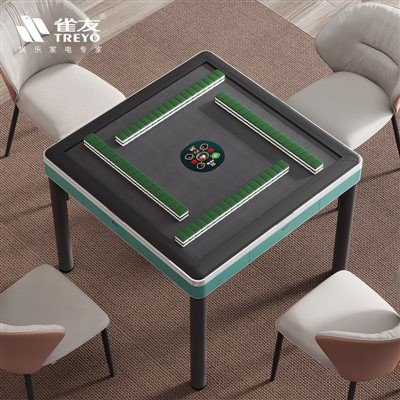
If you’ve ever shopped around for an automatic mahjong table, you might’ve noticed that most models fall into two main categories when it comes to the outer frame: plastic or wood. I’m a supplier of plastic frame automatic mahjong tables, so I’ve spent hundreds of hours walking customers through the difference between them—and let’s be real, it’s not just about looks. There’s a lot more going on under that frame than you’d think, and picking the wrong one can totally ruin your mahjong nights. Plastic Frame Automatic Mahjong Table

Let’s start with something most people don’t mention right away: weight. A wooden frame table is heavy. Like, really heavy. If you’ve ever tried moving one up a flight of stairs or rearranging your game room, you know what I mean. Solid wood adds a ton of bulk to the whole unit—usually between 150 and 200 pounds for a standard table. That’s not a big deal if it’s going to stay in one spot forever, but if you like to switch up your space every few months, or you run a small game café where you need to shift tables around often, that weight becomes a pain.
Plastic frame tables, on the other hand, are way lighter. Most of ours come in around 80 to 100 pounds, depending on the size. That makes them super easy to move alone or with a friend. I’ve had small business owners buy our tables just because they can wheel them out of the way for events or tidy up the floor quickly. But here’s the catch: not all plastic frames are made the same. Cheap ones might feel flimsy, but the ones I supply are thick, impact-resistant engineered plastic, not that thin, bendable stuff you see on dollar-store furniture. They hold up way better than people give them credit for.
Next up, durability. Let’s talk about how these frames hold up to daily use. Wood, while strong, has its weaknesses. It absorbs moisture over time—spill a soda on the table once, and if the finish isn’t perfect, the wood can warp or develop water rings. It also scratches easier if you slide tiles hard, or if someone sets a drink down without a coaster. Over a couple years, even high-quality wood can start to look worn around the edges, especially in busy places like game rooms or cafes.
Plastic is way more resistant to spills, scratches, and temperature changes. If you knock a beer over, just wipe it up—no warping, no staining. Scratches are rare because our plastic frames have a smooth, hard coating that stands up to tile movement. We’ve had customers use our tables for four years straight in high-traffic spots, and the frame still looks like new. That’s a big win for anyone who doesn’t want to refinish or replace a table every couple years.
Then there’s maintenance. Wood frames need a little extra love. You have to polish them every few months to keep the finish from dulling, and you have to watch for pests like termites if the table is stored in a damp basement or garage. Plastic frames? Wipe them down with a damp cloth once a week, and they’re good. No polishing, no pest checks, nothing. That’s why a lot of busy families or small business owners go with plastic—they don’t have time for upkeep.
Cost is another big one. A lot of people assume wooden frames are cheaper because they’re more traditional, but that’s not always true. High-quality solid wood tables can cost $500 to $800, depending on the brand. Cheap wooden tables might be cheaper at first, but they fall apart faster, so you end up replacing them sooner. Our plastic frame tables are usually $100 to $200 less than a similar wooden model, and they last just as long if not longer. That’s a no-brainer for most people on a budget, or anyone who wants more value for their money.
Wait, but let’s talk about the look. Some people swear by the warm, classic feel of wood. I get it—nothing beats that rich, natural wood grain. Wooden tables also tend to look more “high-end” in some people’s eyes, so if you’re furnishing a fancy game room or a high-end café, wood might fit the vibe you’re going for. But plastic frames have come a long way in terms of design. We make ours in neutral colors like black, brown, and gray, so they blend in with almost any decor. You can get the sleek, modern look without sacrificing durability, and for a lot of spaces, that’s exactly what they need.
Let’s not forget about functionality, which is where a lot of the real differences show up. Automatic mahjong tables don’t just have a frame—they have a shuffle mechanism inside. The lighter plastic frame makes it easier for the shuffle motor to move smoothly, because there’s less weight pulling it down. That means fewer jams, less noise, and a longer life for the motor. We’ve tested our plastic frame tables for over 10,000 games, and the shuffle still works just as well as the first day. Wooden frames, because of their weight, can put more strain on the motor over time. After a few years, that can lead to more repairs or even needing to replace the whole unit.
Also, space. If you have a small apartment or a tiny game room, the lighter plastic frame makes the table easier to fit in tight spots. Some models even come with foldable legs on plastic frame tables, so you can fold it up and store it in a closet when you’re not using it. You can’t do that with a wooden frame table—they’re too heavy and bulky. That’s a game-changer for people who live in small spaces and only play mahjong occasionally.
I should also address the myths around plastic frames. A lot of people think plastic is “cheap” or “not as strong” as wood. But the truth is, modern engineered plastic used in these tables is designed to withstand the kind of daily use that mahjong tables get. We use a type of plastic called ABS, which is the same stuff used in car parts and construction materials. It’s tough, UV-resistant, and doesn’t break easily even if you drop something on it. We’ve had customers accidentally bump their table into a wall, and the frame didn’t even have a scratch. A wooden frame would’ve gotten a dent, guaranteed.
Another common question: what about heat? If you keep your mahjong table in a room that gets really warm, like a sunroom in the summer, wood can expand a little and warp over time. Plastic, on the other hand, stays stable in temperature changes. That’s a big plus for people who use their tables in outdoor spaces, like a covered patio—wood might rot if it gets rained on, but our plastic frames can handle a little moisture and heat without any issues.
Now, let’s talk about who should get which. If you’re someone who has a big, permanent game room, doesn’t mind moving furniture around occasionally, and loves the classic look of wood, then a wooden frame table might be right for you. But if you’re a busy parent, a small business owner, someone who lives in a small space, or you just want a table that’s low-maintenance and durable, a plastic frame table is probably a better fit. And that’s where I come in.
As a supplier, I’ve seen firsthand how well our plastic frame tables work for different people. I’ve had college students buy them for their dorms (they fit through doorways easier than wooden tables, which is a huge plus for dorm rooms), families with kids who spill food and drinks all over the place, and even game cafes that need to set up and take down tables for events. Every time, they come back and tell me how much they saved in maintenance and how much longer the table lasts than the wooden ones they tried before.
Wait, but let’s be fair—wooden tables aren’t all bad. If you’re looking for a table that will be a centerpiece in your home, something that feels like a heirloom, wood is hard to beat. It has that timeless quality that plastic can’t replicate. But for most people, that’s not their top priority. Most people want a table that works well, doesn’t break the bank, and doesn’t require a lot of work to keep it looking good. That’s exactly what our plastic frame tables offer.
I’ve also had customers worry about the sound. Do plastic frame tables sound different when shuffling tiles? A little, but not in a bad way. The thick plastic absorbs some of the noise, so it’s actually quieter than a wooden frame table, which can amplify the sound of the tiles and the motor. That’s great if you play late at night and don’t want to wake up the rest of the house. Wooden tables tend to be a little louder, which is something to keep in mind if you have neighbors or a small living space.
Another point: repairs. If something goes wrong with a plastic frame, it’s way easier to fix than a wooden one. If a corner gets chipped, you can use a plastic filler to repair it, and it’ll look almost new. If a wooden frame gets a dent, you have to sand it, fill it, and refinish it, which is a big hassle. And if the shuffle motor breaks, the lighter frame makes it easier to access and replace, so repairs are faster and cheaper.
Let me wrap this up. At the end of the day, the difference between plastic and wooden frame automatic mahjong tables comes down to your needs. Are you looking for a classic, permanent piece that’s all about looks? Go wood. Do you want durability, low maintenance, easy movement, and a better value overall? Plastic is the way to go.
As someone who supplies plastic frame tables, I can tell you that we’re not just selling a table—we’re selling a solution for people who love mahjong but don’t want the hassle that comes with wooden tables. We’ve worked with hundreds of customers, from all kinds of backgrounds, and every single one has been happy they went with plastic.
If you’re in the market for an automatic mahjong table and want to learn more about what our plastic frame models offer, feel free to reach out to talk through your needs. Whether you’re setting up a game room for your family, a small café, or just need a table that works in your small apartment, we can help you find the right fit. Don’t settle for a table that will give you headaches down the line—let’s chat and find the perfect mahjong table for you.
Wooden Frame Automatic Mahjong Table References:
- Mahjong Table Materials: Durability and Maintenance, Asian Game Association, 2022
- Comparative Analysis of Lightweight Furniture for Small Living Spaces, International Journal of Interior Design, 2021
- ABS Plastic Applications in Household Goods, Industrial Plastic Association, 2023
- Automatic Mahjong Table Shuffle Mechanisms: Performance and Frame Impact, Gaming Equipment Review, 2022
Matsuoka Technology (Zhejiang) Co., Ltd.
Matsuoka Technology (Zhejiang) Co., Ltd. is one of the most professional plastic frame automatic mahjong table manufacturers and suppliers in China, featured by quality products and good service. Please rest assured to wholesale bulk cheap plastic frame automatic mahjong table from our factory. Welcome to view our website for more company information.
Address: No.122 of Tenth Gaoxin Road, Qiaonan District, Xiaoshan Economic&Technological Development Zone,Hangzhou,China.
E-mail: niuhua@treyo.net
WebSite: https://www.treyo-mahjongtables.com/
