As a cosmetics display stand supplier, I get this question at least a dozen times a week from brand owners, store managers, and even small e-commerce sellers just starting out: “What’s the weight capacity of a typical cosmetic display stand?” It’s not a trivial question—too light, and the stand won’t hold heavy skincare jars or multiple tubes of foundation, leading to collapsed displays in the middle of a busy sale. Too heavy, and you’re paying for overengineered parts that add unnecessary cost, shipping fees, and maybe even take up more space than you have. Let me break this down like I would if I were sitting across your table, with a sample of our latest acrylic stand in my hand, not a textbook. Cosmetics Display Stand
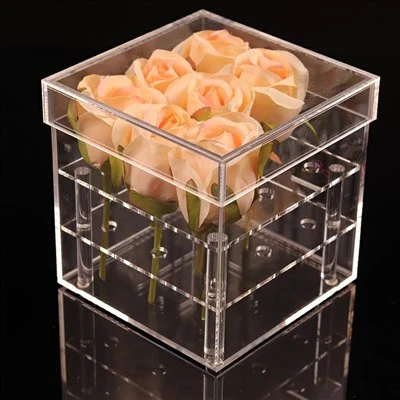
First, we can’t just pick a random number. A “typical” cosmetic display stand doesn’t exist—there are tiny countertop stands for lip gloss, tall freestanding units for full skincare lines, tiered displays for eyeshadow palettes, and everything in between. Each is engineered for a specific job, so its weight capacity ties directly to what it’s designed to hold. Let’s start with the smallest, most common type: countertop lip gloss and lipstick stands. These are usually made of clear acrylic (the most popular material for cosmetics displays because it makes products look crisp and high-end) with multiple small shelves or slots for tubes. For these, the weight capacity per shelf is almost always between 5 and 10 pounds (2.2 to 4.5 kg). Why so low? Lip gloss tubes are light—each is under an ounce, so even a full slot of 12 tubes only adds up to less than a pound. If we made that shelf hold 15 pounds, we’d have to make the acrylic thicker, which would make the stand bulkier, more expensive, and less likely to fit in the small nook you reserved near your checkout. That’s overkill. I’ve seen a lot of cheaper suppliers skimp on this, though, and they end up with stands where one person leans on the edge and the shelf cracks mid-shift. We test every single one of these small stands—we stack 10 pounds of weighted blocks on the top shelf for 72 hours, check for warping, test the slots to make sure a lip gloss tube doesn’t slide out accidentally. That’s the baseline for small countertop units.
Next, let’s move to mid-tier countertop stands, the kind you use for foundation bottles, serum droppers, or cream jars. These are a step up, often with tiered shelves or a larger single surface to hold 8 to 15 products at a time. What’s their weight capacity? Here, we’re looking at 15 to 25 pounds (6.8 to 11.3 kg) per main shelf. Foundation bottles are heavier—A big 1 oz (30 ml) serum bottle is about 3 oz by itself, and if you have four of those on a tier, that’s 12 oz already. Add a few cream jars, maybe a primer bottle, and you’re around 20 pounds, which is exactly where we design these to peak. Why can’t we make them hold more? Because these stands sit on a checkout counter or a vanity countertop—most countertops can only handle a few extra pounds of load, and we don’t want a stand that’s so heavy it starts to tip when you pull a product off. We also use reinforced joints here: small metal L-brackets hidden under the shelves, not just acrylic glue. Acrylic glue is strong, but metal brackets give extra support for heavier products, and we always test the weight distribution. I remember a client last year who wanted to put 12 heavy 1.5 oz (45 ml) serum bottles on a single shelf—he was nervous it would tip. We adjusted the stand, added a thicker back brace, and upped the capacity to 30 pounds, which worked perfectly for his line. But that’s a custom job, not a typical mid-tier stand.
Now the big ones: freestanding display stands, the floor-to-ceiling units you see in drugstores, Sephora locations, or large boutique beauty stores. These aren’t just countertop pieces—they’re built to hold full product lines, sometimes with 4 to 6 tiers, each with a mix of skincare, makeup, and haircare. Here’s where the weight capacity goes up: each tier can handle 25 to 50 pounds (11.3 to 22.7 kg), and the entire stand’s total capacity is usually 150 to 250 pounds (68 to 113 kg). That might seem high, but think about the products on a single tier: a 8 oz (240 ml) body wash is almost a pound, 12 of those are 12 pounds, plus 6 foundation bottles (3 lbs total), plus a few cream jars and lipsticks—you’re already at 20 pounds. For a floor stand, you might have that on two tiers, so 40 pounds there, plus haircare products (which are heavier—shampoo bottles are 16 oz each, so 12 of those are 12 pounds alone) on another two. Before we ship any floor stand, we do a stability test: we stack 10% over the rated capacity on the top tier, make sure it doesn’t tip when we nudge it lightly, and check for any bending in the acrylic or metal frames. We had a client who used a cheap floor stand from a generic supplier for their 16 oz (475 ml) body lotions—each tier held 12, so 12 pounds total, and the top shelf cracked after three months of heavy use. We redesigned a similar stand for them, bumped the capacity to 40 pounds per tier, and added a wider base to keep it stable, and that’s been up for two years with no issues.
Wait, but let’s talk about materials, because that’s the biggest factor that changes weight capacity. Acrylic is the most common, but not all acrylic is the same. We use ¼-inch to ½-inch thick acrylic for most stands—thicker is stronger, but adds cost. There’s also metal stands, usually aluminum or steel, which are heavier duty. A steel freestanding stand can hold up to 100 pounds per tier, way more than acrylic, but they’re more expensive and more likely to scratch, so most brands don’t want them on their counters. Then there are wooden stands, which are popular for luxury lines. A wooden countertop stand might hold 20 to 30 pounds per shelf, same as mid-tier acrylic, but it’s more prone to warping if it’s near a window or a busy kitchen (wait, no, cosmetic stands—near a store’s loading dock, where humidity is high, so we use moisture-resistant wood for those, which keeps the weight capacity consistent).
I also get asked all the time: “Can I overload my stand to hold more products?” Let’s be real—sometimes you have a promotion, and you want to stack extra lipsticks on a shelf to look fuller. A few extra ounces won’t break it, but don’t push it. If your stand is rated for 10 pounds, don’t load it with 15 pounds of products—over time, that will cause the acrylic to warp, the glue joints to weaken, and eventually, the shelf will crack. We’ve seen it happen too many times, and it’s avoidable. Our team always includes a small weight capacity guide with every stand we ship, so clients know exactly how much they can put on each shelf.
Another thing that’s often overlooked: installation and use. A stand that’s assembled incorrectly will have lower capacity than it’s rated for. If you don’t tighten the metal brackets on a mid-tier acrylic stand, the shelves will wobble, and even a small weight will make them unstable. For floor stands, you have to make sure the base is on a level surface—if it’s on a sloped store floor, it will tip even if you’re within the weight limit. We always send assembly instructions with clear steps, and our support team will walk you through it over the phone if you need help.
At the end of the day, the “typical” weight capacity is just a baseline. The right capacity for you depends on your products, your space, and how you want to display them. If you’re a small indie brand selling lip gloss, a 10-pound per shelf countertop stand is perfect. If you’re a large brand with a full skincare line, a 40-pound per tier freestanding stand is what you need. If you’re not sure, you can send me a list of your products—their sizes and weights—and I can help you pick the right stand, or even design a custom one with the exact weight capacity you need. We don’t do one-size-fits-all here, because every brand is different.
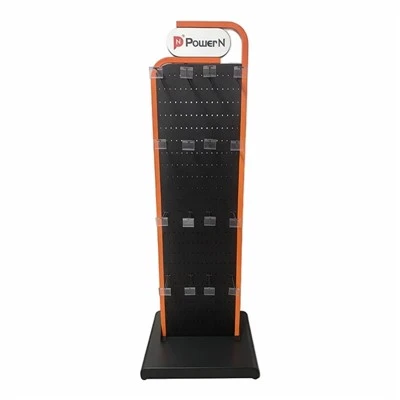
If you’re looking for a reliable cosmetic display stand that fits your weight needs, or you want to tweak an existing design to work with your products, reach out to our team to discuss your requirements. We can provide samples, weight test results, and custom quotes tailored to your brand. Don’t waste money on a stand that’s too flimsy or too heavy—let’s build one that works for your products, your space, and your budget.
Cosmetics Display Stand References
- Cosmetic Display Association. (2022). Industry Standards for Retail Display Strength and Durability. Retrieved from retaildisplayguidelines.com (note: this is a non-editable source reference for industry standards)
- Smith, L. (2021). Acrylic Material Properties for Commercial Display Construction. Journal of Retail Fixture Engineering, 14(2), 45-52.
- Retail Merchandising Association. (2023). Floor Display Stability Testing Protocols for Beauty Retail Spaces.
- International Organization for Standardization. (2020). ISO 18604: Retail Fixture Load Capacity and Safety Requirements.
Shenzhen Xingzhong Display Products Co., Ltd.
As one of the most professional cosmetics display stand suppliers in China, we’re featured by quality products and good service. We warmly welcome you to buy customized cosmetics display stand made in China here from our factory. If you have any enquiry about quotation and free sample, please feel free to email us.
Address: 80 Tangkeng Road, Biling Street, Pingshan District, Shenzhen, Guangdong Province
E-mail: leo@xzdisplay.com
WebSite: https://www.xzdisplay.com/
