If you’ve ever worked with thioureas—whether as a chemist, a manufacturer, or someone just trying to source raw materials for a specific project—you’ve probably wondered at some point: are thioureas regulated chemicals? As a supplier who’s been in this game for over a decade, I get this question all the time, and it’s not a yes or no answer that works for everyone. Let’s break this down, keep it real, and skip the stuffy jargon that makes your eyes glaze over. Thioureas
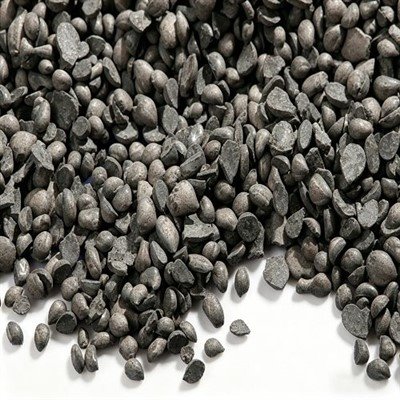
First, let’s start with the basics: what even are thioureas? For anyone who’s not a lab nerd, they’re organic compounds similar to urea, with a sulfur atom replacing one oxygen. You’ll find them in all kinds of places—rubber manufacturing (they’re key for curing), pharmaceuticals, agrochemicals, even some water treatment chemicals. But because they’re not a one-size-fits-all chemical, their regulatory status changes depending on which country you’re in, what grade you’re selling, and how it’s being used. That’s the big thing most people miss: regulations aren’t global. What’s a regulated chemical in the EU might not be in parts of Southeast Asia, and vice versa.
Let’s talk about the big ones first, starting with the US. The EPA (Environmental Protection Agency) is the main body here, and they’ve got specific rules for thioureas. For starters, thiourea itself (the base compound, not modified) is listed as a hazardous air pollutant under the Clean Air Act. That means if you’re emitting it in amounts over certain limits, you’ve got to report it and follow strict handling rules. Then there’s OSHA, which governs workplace exposure. OSHA has a permissible exposure limit (PEL) of 2 ppm for thiourea in workplace air over an 8-hour workday. So if you’re a factory worker or someone handling bulk thioureas on-site, you can’t skip the PPE, and employers have to monitor air levels.
But wait, it’s not just the base compound. Some substituted thioureas—like those used in certain pesticides or pharmaceuticals—have extra rules. For example, the EPA regulates thiourea-based pesticides under the Federal Insecticide, Fungicide, and Rodenticide Act (FIFRA). That means you can’t just sell a thiourea-based pesticide without registering it first, proving it’s safe for its intended use. That’s where a lot of smaller suppliers trip up, too—they assume all thioureas fall under the same rules, but substitutions change everything.
Moving across the pond to the EU, which has some of the strictest chemical regulations out there: REACH (Registration, Evaluation, Authorization, and Restriction of Chemicals). Under REACH, thiourea is a substance of very high concern (SVHC) if it’s present in products at over 0.1% by weight. That means if you’re exporting goods containing thiourea to the EU, you’ve got to notify ECHA (the European Chemicals Agency) and pass along safety data to your customers. There’s also a restriction on thiourea in certain consumer products—like textiles or toys—because studies have linked long-term exposure to potential health issues (we’ll get to the safety stuff in a sec). The EU also classifies thiourea as a suspected carcinogen, so that’s another layer of regulation for manufacturers and importers.
Now, if you’re in Asia—say, China, India, or Japan—rules vary a bit but are tightening fast. In China, for example, thiourea is listed in the National Hazardous Chemicals Catalogue, so it’s subject to strict storage, transportation, and handling requirements. You can’t just ship it in a regular truck; you need special hazardous materials certification. India’s Central Pollution Control Board (CPCB) has similar rules, especially for industrial uses, and they’re aligning more with REACH every year, so it’s not a good idea to treat India’s regulations as an afterthought.
But here’s the thing as a supplier: most of our clients come to us confused about what applies to their specific use case. A rubber manufacturer in the US might only need to comply with OSHA exposure limits, while a textile exporter to Germany has to make sure their thiourea content is way under the REACH 0.1% threshold. A pharma lab in Singapore might not face the same SVHC rules, but they still need a SDS (Safety Data Sheet) that’s up to international standards.
Let’s address the elephant in the room: why the regulation? It’s not just red tape. Studies have shown that high levels of thiourea can cause skin and eye irritation, and long-term exposure has been linked to thyroid issues and, in animal tests, increased cancer risk. That’s why regulators around the world are cracking down—they’re trying to protect workers, consumers, and the environment without shutting down legitimate industries that rely on thioureas. For example, thioureas are crucial for making vulcanized rubber, which is used in everything from car tires to medical devices. We can’t just ban them, so regulation is the middle ground.
As a supplier, we don’t just send out a drum of thiourea and call it a day. We work with every client to figure out which rules apply to them. If you’re a small shop making rubber parts for domestic use in the US, we’ll send you the SDS, explain the OSHA exposure limits, and make sure your bulk shipment is labeled correctly. If you’re a global brand exporting to the EU, we can provide documentation that proves our thiourea meets REACH’s SVHC requirements, and we’ll note any substitutions you’ll need to avoid to stay compliant. We even offer custom blends for specific industries that cut down on regulatory hurdles—like a thiourea-based curing agent for rubber that’s formulated to be under the 0.1% SVHC limit for consumer products.
Wait, but what about unregulated thioureas? Is that a thing? Technically, some low-grade thioureas for very specific, non-consumer uses might not be under strict regulation in some countries, but that’s a risky move. For one, if you use unregulated thiourea in a product that gets exported, you could face fines or product recalls. And two, unregulated thioureas often don’t have the same safety testing, so they might not work as well for your application. We’ve had clients come to us after buying a cheap batch of thiourea from a non-compliant supplier, only to have their shipment held at customs because it didn’t meet EPA or REACH rules. It’s not worth the headache.
Another common question: are all thioureas equally regulated? No way. A simple thiourea used for industrial water treatment has different rules than a substituted thiourea used in a topical pharmaceutical cream. For example, the FDA regulates thioureas used in drugs as active pharmaceutical ingredients (APIs), so they have to meet strict purity standards and go through a review process. The same goes for food contact materials—thioureas used in packaging that touches food have to be approved by the FDA or EFSA, so there’s extra testing there.
Let’s also talk about transportation rules, because that’s where a lot of suppliers and buyers mess up. Thiourea is classified as a Class 9 hazardous material (miscellaneous hazardous) for air and ground transport in most countries, so you can’t just mail it or ship it in a regular freight truck. You need proper packaging—unbleached steel drums with a tight seal, labels that say “hazardous material,” and documentation that lists the chemical’s UN number (UN 2923, if you’re curious). We handle all of that for our clients, so they don’t have to deal with the DOT or IATA hassles—we make sure the shipment is compliant before it leaves our warehouse.
As someone who’s been supplying thioureas for years, I’ve seen the regulatory landscape change a lot. Ten years ago, REACH wasn’t as strict, and EPA’s air pollutant rules for thiourea were less enforced. Now, with more focus on supply chain transparency and worker safety, regulators are updating rules every few years. That’s why we make sure to stay on top of all changes—we have a full-time compliance manager who monitors EPA, ECHA, and other global regulatory bodies, so our clients don’t have to. If a new rule comes out, we update our products, documentation, and advice within weeks, not months.
I get it—regulations can feel overwhelming, especially if you’re not in the chemical industry. You don’t want to spend hours digging through REACH Annex XIV or OSHA’s 29 CFR 1910.1000. That’s where a good supplier comes in. We don’t just sell chemicals; we’re a resource. If you’re not sure whether your specific use of thiourea is regulated, just send over a quick note about what you’re making, where you’re located, and what you need. We’ll break down exactly what rules apply, what paperwork you’ll need, and even make sure our product fits your needs while keeping you compliant.
Let me wrap this up: are thioureas regulated chemicals? The short answer is yes, but how they’re regulated depends on where you are, what grade you’re using, and how you’re using it. They’re not a one-size-fits-all regulated substance, but ignoring the rules can lead to fines, shipment holds, or even safety risks for your workers. As a supplier, our job is to make this process easy for you—whether you’re a small manufacturer just starting out, or a global brand navigating complex global regulations.

If you’re sourcing thioureas and need to make sure you’re staying compliant, or if you just have questions about regulatory requirements for your specific project, feel free to reach out. We’re here to help, no stuffy sales pitches, just straight answers about what you need to know to get the job done right.
Silane Coupling Agent References
- U.S. Environmental Protection Agency. (2023). Hazardous Air Pollutant List: Thiourea.
- Occupational Safety and Health Administration. (2022). Permissible Exposure Limits for Chemical Contaminants: Thiourea.
- European Chemicals Agency. (2021). Substances of Very High Concern (SVHC): Thiourea Entry.
- U.S. Environmental Protection Agency. (2022). FIFRA Requirements for Thiourea-Based Pesticides.
- REACH Regulation (EC) No 1907/2006, Annex XVII (Restrictions on Certain Dangerous Substances and Mixtures).
Heze Great Bridge Chemical Co., Ltd.
With abundant experience, we are one of the most professional thioureas manufacturers and suppliers in China. We warmly welcome you to buy high quality thioureas in stock here and get pricelist from our factory. Good service and reasonable price are available.
Address: No.1679 Renmin Road,Heze City,Shandong,China
E-mail: export@greatbridge-chem.com
WebSite: https://www.greatbridgechem.com/
