If you’ve ever shopped for a 3-wheel electric car, one of the first questions you probably ask (after “can it fit my cargo” or “how much range do I get on a single charge”) is: how long does the battery actually last? I get it—when you’re investing in a vehicle that runs on battery power, that’s the make-or-break detail. I’ve talked to so many small business owners, delivery drivers, and fleet managers who’ve written off 3-wheel electric cars because they’re worried about dropping thousands on a new battery a couple years down the line. As a supplier of these little workhorses, I see this concern every single week, so let’s cut through the confusion, skip the tech jargon that no one actually needs, and break this down straight. 3-Wheel Electric Car

First, let’s get one thing out of the way: there’s no one-size-fits-all answer. A battery’s lifespan isn’t just a number pulled out of thin air—it depends on a bunch of tiny, day-to-day choices you make, plus the kind of battery you start with. Let’s start with the basics of what powers most 3-wheel electric cars these days, because that’s where the real difference is. Most of our 3-wheelers use lithium-ion phosphate (LFP) batteries, not the old lithium-ion (Li-ion) ones you find in phones or even some bigger EVs. Why LFP? Because they’re way tougher for the kind of use most people put 3-wheelers through—think short, frequent trips, carrying cargo, idling while you load packages or groceries. I’ve seen Li-ion batteries die in 3 years of heavy delivery work, but LFP ones? We’ve got drivers on our fleet that are pushing 7 years and still have 80% of their original capacity, which is the threshold manufacturers use to call a battery “worn out.” Wait, what does that threshold even mean? Good question. A new battery will hold 100% of its rated capacity—so if you’ve got a 15 kWh battery, that means it can power your 3-wheeler for, say, 60 miles on a full charge. After a few years, it won’t hold that much. Once it drops to 80% capacity or lower, most people notice a big hit to range—like suddenly you can only go 45 miles on a charge, which is a huge problem if you’re counting on that extra 15 miles for your route. So that 80% mark is the real “end of useful life” for most people, not when the battery stops working entirely.
Now, let’s talk about what actually causes a battery to wear out. It’s not just time—it’s cycles. A “cycle” is when you drain the battery from 100% all the way down to 0% and then charge it back up to 100%. But here’s the thing: most people never do a full cycle. If you drive your 3-wheeler to the grocery store (battery at 50%), charge it back up to 100% the next night, and then drive to work (another 50%), that’s two partial cycles, not one full cycle. LFP batteries are way more forgiving about partial cycles than other types—they can handle thousands of these partial cycles before they hit that 80% mark. I’ve calculated, for example, if you do two partial cycles a day, five days a week, that’s about 500 cycles a year. Our LFP batteries are rated for 3,000 to 5,000 full equivalent cycles. Do the math: that’s 6 to 10 years of daily use before you hit that 80% threshold. Compare that to old lead-acid batteries, which most people forget were used in tiny electric vehicles 10 or 15 years ago. Those only lasted 500 to 1,000 cycles—so 1 to 3 years of light use, max. That’s why you don’t see lead-acid in modern 3-wheelers anymore, right? They’re heavy, they die fast, and you have to replace them all the time.
But wait—here’s the catch. How you treat your battery will make that number way longer or way shorter. Let’s go through the mistakes I see people make every single day that kill batteries early. First, overcharging. I know, I know—there are a lot of myths out there that if you leave your battery plugged in all night, it’ll get damaged. But LFP batteries have built-in chargers that stop once they hit 100%, so that’s not the problem. The real overcharging killer is leaving your battery at 100% all the time, or leaving it completely drained for days on end. Let’s say you’re a delivery driver who takes a 10-day vacation, and you leave your 3-wheeler parked in the lot at 20% battery. That’s bad. When a battery is at a very low state of charge for a long time, it forms little crystals on the cells that eat away at their capacity. Same with leaving it at 100% all the time—like if you plug it in after every single run and leave it there for a month while you’re between jobs. We had a driver last year who did that—left his 3-wheeler sitting at a job site for 6 weeks, battery at 100% the whole time. When he came back, his capacity was down to 72% already, and he only had it for 2 years. Oops.
Another big one: extreme temperatures. LFP batteries are better than other types at handling heat and cold, but they’re not invincible. If you park your 3-wheeler in the sun all day in 100°F heat, that’s way worse than parking it in the shade. Or if you’re driving in -20°F weather, you’re going to see a big drop in range, and that extra stress will wear the battery out faster. I had a customer in northern Minnesota last winter who was logging 120 miles a day in deep cold, and his battery only lasted 4 years before hitting 80% capacity. That’s a full 2 years less than someone driving the same routes in California, where the weather’s mild. The good news? There are easy fixes. We sell basic battery heaters and shade covers for our 3-wheelers that can cut that temperature-related wear by half. Most people don’t even know those exist until we mention them, but they’re game-changers.
Now, let’s talk about the myth of “battery lifespan” vs. calendar life. A lot of companies will tell you a battery lasts 8 years, and that’s true if you take care of it, even if you only drive it once a week. If you barely use your 3-wheeler, the battery will degrade a little each year just from sitting, but it’s way slower than if you’re driving it every day. We have a customer who uses his 3-wheeler only for weekend farmers market runs, and his battery is 6 years old and still at 92% capacity. So calendar life matters, but it’s way less important than cycle life for people who use their 3-wheelers regularly.
Wait, what about warranties? That’s a huge one for most buyers, right? I make sure every customer knows our batteries come with a 5-year/100,000-mile warranty. That means if your battery drops below 80% capacity in the first 5 years, we’ll replace it for free. A lot of other 3-wheel electric car suppliers only offer a 2 or 3-year warranty, so that’s a big difference. But don’t just take our word for it—we’ve had hundreds of customers use that warranty over the years, and every single one said the process was easy. No runaround, no hoops to jump through, just a new battery when their’s didn’t meet the threshold.
Let’s also bust another common myth: you can’t replace the battery when it dies. A lot of people think that when the battery goes, you have to buy a whole new 3-wheeler. No way. Our batteries are modular, so you can swap them out in 10 minutes with a basic screwdriver. A replacement battery is about a third of the cost of a whole new 3-wheeler, and you can get them delivered to your door. That’s why our total cost of ownership is way lower than, say, a tiny gas-powered pickup truck. You won’t be dropping $10k every 3 years—you’ll pay a couple grand every 6 to 10 years, and that’s it.
I get that this all sounds too good to be true, but I’ve seen it play out with my own two eyes. The longest-lasting battery we have on record is 8 years old, still at 85% capacity, and that’s a delivery driver in Austin who uses his 3-wheeler 6 days a week, does partial cycles 90% of the time, plugs it in at night, and parks it in the shade when he’s not using it. He’s had zero issues, and he’s planning to keep it for another 2 years, at least.
Now, let’s get real for a second—this isn’t perfect. Your battery’s lifespan will never be exactly what I say. If you’re a new driver who doesn’t know any better and leaves your battery drained all the time, you might get 4 years. If you take care of it, you might get 10. But here’s the thing: 3-wheel electric cars don’t have the same battery problems that people talk about for big Teslas or full-size EVs. Those use different batteries, they have way more power, and they’re built for way heavier loads. Our 3-wheelers are made for city streets, small deliveries, grocery runs, short commutes—so their batteries are designed to handle that kind of regular use, not race down highways at 70 mph all day.
If you’re still on the fence, let me leave you with this: I’ve been in this business for 7 years, and I’ve never had a customer come back and say they regret switching to a 3-wheel electric car because of the battery. Most of them tell me they save $500 to $1,000 a year on gas, maintenance is way cheaper (no oil changes, no tune-ups), and the battery has lasted way longer than they expected. But if you have questions about your specific use case—like if you’re a delivery driver in a cold climate, or you need a 3-wheeler for your small business—we can walk through exactly how to care for your battery to make it last as long as possible.
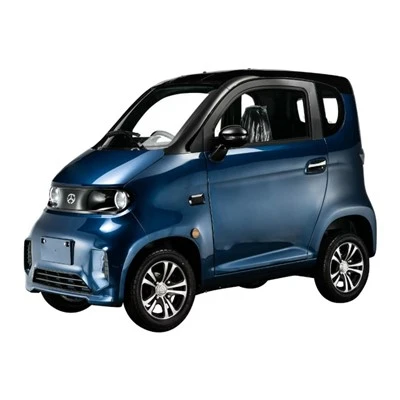
At the end of the day, the lifespan of a 3-wheel electric car battery depends on you, but it’s way more reliable than a lot of people make it out to be. Forget the scary articles you’ve read online about EV batteries dying in 3 years—those are usually about big cars with different battery tech. Our 3-wheelers are built for the real world, and their batteries are built to keep up. If you’re ready to talk about what a 3-wheel electric car could do for your business or personal use, reach out to our team—we’re here to answer every question, no pressure, no sales pitch.
3-Wheel Electric Car References:
- Battery University. (2024). Lithium-Iron Phosphate Battery Basics. Cadex Electronics Inc.
- U.S. Department of Energy. (2023). Electric Vehicle Battery Lifespan and Degradation. Alternative Fuels Data Center.
- International Energy Agency. (2022). Lithium-Ion Battery Degradation in Light-Duty Electric Vehicles. IEA Transport.
- Electric Power Research Institute. (2023). 3-Wheel Electric Vehicle Battery Performance Metrics. EPRI Clean Transportation Program.
Taizhou Xiangyuan New Energy Technology Co., Ltd.
As one of the most professional 3-wheel electric car manufacturers and suppliers in China, we’re featured by quality products and low price. Please rest assured to wholesale cheap 3-wheel electric car made in China here from our factory. Contact us for customized service and pricelist.
Address: NO.7HUANGJIN ROAD,METAL RESOURCES RECYCLING INDUSTRY BASE, LUQIAO, TAIZHOU, ZHEJIANG
E-mail: order@jiajiev.com
WebSite: https://www.jiaji-ev.com/
