As someone who’s spent 18 years as a carbon steel rod supplier, I’ve seen every angle of how a building comes together—from the foundation’s first concrete pour to the final touches on a high-rise’s facade. I still get asked by architects, contractors, and even curious homeowners: “Why carbon steel rods, anyway? Couldn’t we use something lighter, or cheaper?” The short answer is that carbon steel rods aren’t just a material—they’re the quiet backbone of building frames, holding structures together when wind blows, soil shifts, or weather throws its worst at a building. Let me break down their role, why they matter more than most people realize, and how we’ve refined their production to fit modern construction needs. Carbon Steel Rod
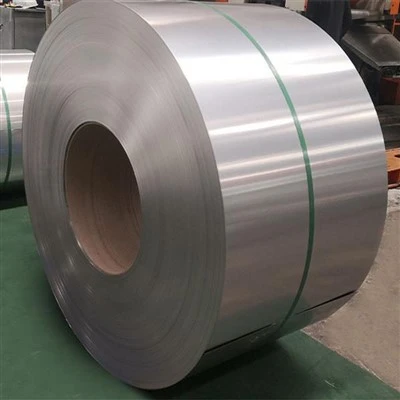
First, let’s start with the basics: carbon steel rods are long, cylindrical bars made primarily of iron, with small amounts of carbon (usually between 0.05% and 2%) to boost strength without sacrificing flexibility. Unlike alloy steel rods, which add elements like chromium or nickel for corrosion resistance, carbon steel strikes a rare balance: it’s affordable, extremely strong in tension (the force that pulls a building apart, like wind yanking a skyscraper sideways), and flexible enough to bend slightly under stress instead of snapping. That flexibility is non-negotiable for building frames—rigid materials like concrete crack if they’re forced to move, and carbon steel rods bridge that gap.
Take reinforced concrete, for example. Most people know concrete is tough, but it’s terrible at withstanding tension. If you’ve ever seen a cracked sidewalk, that’s tension at work: the concrete expanded or shifted, and it couldn’t pull back to hold together. Carbon steel rods fix that. We embed them in wet concrete before it sets, and when the concrete is compressed (from the weight of the building above), the rods bear the tension. This is called rebar reinforcement—short for reinforcing bar, which is the most common type of carbon steel rod used in building frames. Without rebar, concrete structures would be 50% weaker in tension, according to the American Concrete Institute (ACI), making even a small home’s foundation a safety hazard. I’ve supplied rebar for projects where that strength difference was life-saving: a elementary school in a tornado-prone region of Texas, a coastal apartment building in Florida that has to withstand hurricane-force winds. The rods don’t just add strength—they turn a brittle material into a composite that can handle dynamic stress.
But rebar is only one piece. Carbon steel rods also play a critical role in structural steel frames, especially for mid-rise and high-rise buildings. When you walk into the lobby of a 30-story office tower, the steel beams and columns you see are connected using carbon steel rods—often called anchor bolts or tie rods. Anchor bolts fasten the steel columns to the concrete foundation, preventing the entire structure from shifting during an earthquake. Tie rods connect steel beams to one another, distributing weight evenly across the frame instead of letting stress concentrate on one weak point. I remember working on a 40-story building in Chicago a few years back; the engineering team specified 1.5-inch diameter carbon steel tie rods because of the city’s seismic zone requirements. Those rods were non-negotiable—without them, the frame could have twisted or collapsed during a minor tremor.
Another underdiscussed role is in masonry construction. For buildings with brick or stone exterior walls, carbon steel rods act as wall ties, connecting the outer masonry layer to the inner structural frame. Without these ties, a strong wind could pull the brick facade away from the building, a failure that’s caused thousands of dollars in damage and even injuries over the years. In the UK, for example, a 2018 study by the Building Research Establishment found that 60% of masonry facade failures were due to missing or corroded wall ties—but switching to hot-dip galvanized carbon steel rods (a process we offer at our facility) reduces that corrosion risk by 90% over 50 years. That’s a big deal for long-term structural integrity.
Now, let’s talk about why carbon steel rods are still the go-to material, even with all the new alternatives on the market—like fiber-reinforced polymer (FRP) rods, which are lighter, or stainless steel, which is more corrosion-resistant. For contractors on a tight budget, the cost difference is huge: carbon steel rebar costs about 30% less than FRP, and 60% less than stainless steel, for the same strength rating. But it’s not just cost. Carbon steel has a well-documented track record in construction—engineers have used it for over 150 years, and there’s decades of data on how it performs in different climates, soil types, and seismic zones. That predictability is invaluable when you’re designing a building that has to meet strict building codes. When a contractor is building a $20 million hospital, they don’t want to test an unproven material—they want something that’s been proven to work, and carbon steel rods fit that bill every time.
That said, it’s not without challenges. Corrosion is the biggest one. When carbon steel rods are exposed to moisture or chemicals (like road salt in northern climates, or salt air in coastal areas), rust forms. Rust expands, which pushes against the surrounding concrete or masonry, causing cracks and weakening the frame over time. For years, we’ve worked with our clients to mitigate this: we offer epoxy-coated carbon steel rods, which create a barrier between the steel and moisture, and hot-dip galvanized rods, where a thin layer of zinc is applied to the surface to prevent rust. Recently, we’ve also started supplying corrosion-resistant carbon steel rods with a micro-alloyed coating that lasts twice as long as standard galvanized, perfect for coastal projects. I had a contractor in Miami reach out last year who’d lost 10,000 pounds of rebar to corrosion in a 5-year-old apartment building—switching to our galvanized rods and epoxy-coated ties fixed the issue for their next project.
As a supplier, I’ve watched the demand for carbon steel rods evolve. In the 1990s, most of our rods went into low-rise residential foundations. Now, 60% of our sales are for mid-rise and high-rise commercial buildings, infrastructure projects like bridges and highways, and even sustainable construction. Wait—sustainable? That might surprise some people, but carbon steel is one of the most recyclable materials on the planet. According to the Steel Recycling Institute, 98% of carbon steel rods used in construction are recycled at the end of a building’s life, and the process of recycling steel uses 75% less energy than making new steel from iron ore. That means when we supply a carbon steel rod for a new building, it’s not just a one-time use product—it could be melted down and used for another structural component in 50 years. That’s a big part of why we prioritize sourcing our steel from mills that use 100% recycled scrap, cutting the carbon footprint of our rods by 40% compared to industry averages.
I’ve heard some younger engineers say, “We’ll replace carbon steel with something else soon,” but I don’t see that happening anytime soon. FRP rods are great for niche uses, but they don’t have the same tensile strength as carbon steel, and they’re not compatible with concrete as well (concrete sticks to steel way better than it sticks to plastic). Stainless steel is too expensive for large-scale structural use. Carbon steel hits that perfect sweet spot: strength, affordability, predictability, and recyclability.
If you’re an architect, contractor, or project manager planning a building, the role of carbon steel rods goes way beyond “reinforcing concrete.” They’re the tie that holds a frame together, the link between foundation and structure, the defense against weather and seismic stress. I’ve seen buildings stand for a century because they used quality carbon steel rods, and I’ve seen failures because they cut corners on cheap, low-grade rods. That’s why my team and I don’t just sell rods—we work with clients to figure out the right diameter, coating, and grade for their specific project. Whether it’s a small home foundation, a 50-story office tower, or a coastal hospital, we’ve got the expertise to supply rods that meet your needs.
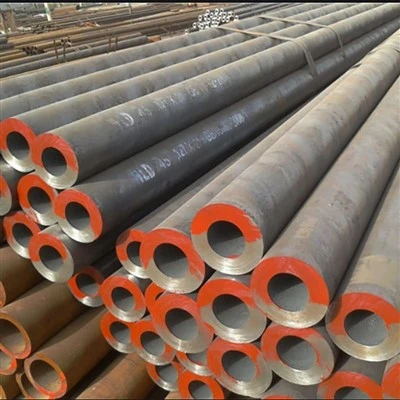
If you’re in the planning stages of a new build, or looking to upgrade your structural materials, don’t hesitate to reach out to my team. We’ll provide a detailed breakdown of specs, pricing, and durability tailored to your project, no obligation.
Aluminum Sheet/Plate References:
American Concrete Institute. (2022). Reinforced Concrete Design Handbook. American Concrete Institute.
Building Research Establishment. (2018). Masonry Facade Failure in Modern UK Construction. BRE Global.
Steel Recycling Institute. (2023). Life Cycle Assessment of Recycled Structural Steel. Steel Recycling Institute.
International Code Council. (2021). International Building Code Chapter 22: Structural Steel. International Code Council.
Wuxi Jin Ming Jian De Industry & Trade Co., Ltd.
Wuxi Jin Ming Jian De Industry & Trade Co., Ltd. is one of the most professional carbon steel rod manufacturers and suppliers in China, also supports customized service. With abundant experience, we warmly welcome you to wholesale CE approved carbon steel rod in stock here from our factory. If you have any enquiry about quotation, please feel free to email us.
Address: 2102-2105, Yuexing Building, Guangnan Road, Liangxi District, Wuxi City, Jiangsu Province, China.
E-mail: info@wxjmjdss.com
WebSite: https://www.jmjdsteelexp.com/
