Hey everyone, let’s talk about something I get asked all the time here—medical titanium plates for bone fractures. If you’ve ever broken a bone, or know someone who has, you’ve probably wondered what kind of hardware doctors use to put it back together. Spoiler: titanium plates are basically the go-to these days, and I’ve spent years making these plates so I can break down exactly why they work, and if they’re right for you or your patients. Medical Titanium Plates
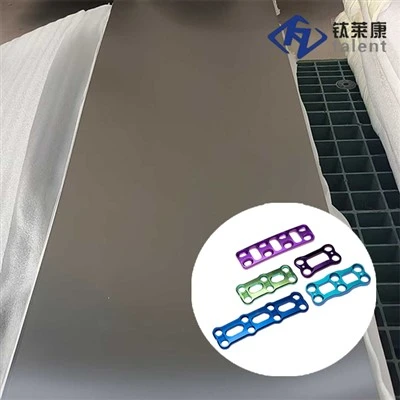
First off, let’s get the basics straight. When someone has a fracture that’s not stable—like a compound break, a comminuted fracture (that’s the one where the bone shatters into a bunch of pieces), or a break that’s shifted a lot—doctors can’t just stick a cast on and wait. They need something to hold the pieces in place while the bone heals, right? That’s where internal fixation comes in, and medical titanium plates are the main player here. A lot of people ask me, “Wait, why titanium? Not steel or something cheaper?” Fair question. Let’s keep it real: titanium has some superpowers that other metals don’t, especially for use inside the human body.
First, it’s biocompatible. That’s a fancy way of saying your body doesn’t see it as a foreign invader and attack it. Back in the day, doctors used stainless steel plates, but those had a problem—some people’s bodies would react to the steel, leading to inflammation or even the plate needing to be removed later. Titanium? It bonds with bone, actually. There’s this thing called osseointegration, and that’s the real game-changer. Your bone tissue grows right into the surface of the titanium plate, so it holds the fracture even better over time, not just right after surgery. I’ve seen this first-hand with the plates we supply—patients that thought they’d need another surgery to remove hardware end up going years without issues, even sometimes not even remembering they have a plate in there.
Another big one is how strong titanium is, but also how light it is. Stainless steel is strong, but it’s way heavier. If you put a heavy steel plate in someone’s leg, that extra weight can put unnecessary stress on the bone while it’s healing, or even cause discomfort as they move around. Titanium is almost as strong as steel, but 40% lighter. That’s a huge difference for a patient’s daily life post-surgery. Imagine having a plate in your arm that doesn’t feel like a brick is stuck there—way easier to do physical therapy, go back to work, even play light sports a few months later.
Wait, but what about if someone needs an MRI or a CT scan later? That’s another common question. A lot of metals mess with imaging, making it hard for doctors to see what’s going on in their body. Titanium is non-ferromagnetic, meaning it doesn’t interact with the strong magnets in MRI machines. So no problem there—patients with titanium plates can get scans whenever they need to, no need to jump through extra hoops or worry about the plate moving during the scan. That’s a massive plus over old steel plates, which sometimes had to be removed before an MRI.
Now, let’s get into the actual use case for fracture repair. Medical titanium plates aren’t one-size-fits-all, by the way. We make all sorts of them—small ones for hands and fingers, longer ones for arms and legs, curved ones for ribs or the skull, even specialty plates for the spine. When a doctor operates, they’ll pick the right plate shape, size, and thickness based on the fracture. They’ll screw it to the bone with titanium screws too, since those are biocompatible too. The whole goal is to create a stable frame so the bone can heal without moving.
I know some people worry about long-term effects. Like, “If I have a titanium plate in my body forever, will it cause problems down the line?” From what we’ve seen with thousands of plates we’ve supplied over the years, that’s super rare. Titanium doesn’t corrode in the body’s fluids, which is another big win. Some metals release tiny particles over time, but titanium stays intact, so no risk of those particles building up and causing issues. The only time a plate gets removed is usually if it’s causing pain—like if it’s under the skin in someone with very little muscle or fat, so they can feel it when they press on it. Or sometimes if a patient does a lot of high-impact activity and the plate starts to loosen, but that’s not common. A lot of people leave their plates in forever, no issues.
Wait, let’s address a common myth I hear all the time: “Can titanium plates cause metal poisoning?” No, not with medical-grade titanium. The plates we supply are made from ISO-certified medical titanium, usually grade 23 which is the most common for orthopedic use. It’s 90% titanium, with tiny amounts of aluminum and vanadium, all in amounts that are totally safe for the body. There’s no leaching of harmful metals here—this isn’t the cheap jewelry you buy at a gas station that turns your skin green. This is specific, tested material made for implantation.
Let me give you a real example I remember from a few years back. We supplied a set of small titanium plates to a hospital in the Midwest for a construction worker who fell off a ladder, broke his tibia (that’s the big shin bone) really badly. The fracture was shifted 2 inches, so casting alone wouldn’t work. The surgeon used one of our 10-hole titanium plates to lock the bone pieces in place. Six months later, he called us to say the patient was back at work, walking without a limp, and didn’t even feel the plate. That’s the kind of result we’re here for, right? We don’t just make plates—we help people heal and get back to their lives.
Now, is there a time when a titanium plate isn’t used? Sure. For very small, simple fractures, like a small bone in the hand that’s barely shifted, a cast might be enough. Or for kids, sometimes doctors use absorbable pins that dissolve over time, but even in pediatric cases, titanium plates are often used for more serious breaks. But for most adult fractures that need internal fixation, titanium is the standard now.
Wait, let’s talk about the process a bit, because people sometimes wonder how these plates get to the hospitals. We work with orthopedic surgeons, hospitals, and medical device distributors all over, making sure we have plates in every size and shape they need. Before a plate even leaves our facility, it goes through a ton of quality checks. We test every batch for material purity, strength, and biocompatibility, because at the end of the day, this stuff goes inside someone’s body—we can’t cut corners here. I’ve been in this business for 12 years, and that’s the number one rule: if a plate isn’t perfect, it doesn’t leave the warehouse.
I also get asked if titanium plates are expensive. I won’t lie—they cost more than old steel plates, but the benefits far outweigh the cost. Faster healing time means less time in the hospital, less time missing work, fewer follow-up surgeries. Even if the initial plate is pricier, the long-term costs and outcomes are way better. Hospitals and surgeons know this, which is why titanium is the go-to now.
Let’s wrap this up to answer the original question: Can medical titanium plates be used for bone fractures? Absolutely. They’re safe, effective, biocompatible, and have revolutionized how we treat broken bones. They let bones heal correctly, reduce pain, get patients back to their lives faster, and have a track record of working for millions of people around the world.
If you’re a doctor, hospital administrator, or medical device distributor looking for a reliable supplier of high-quality medical titanium plates, we’re here to help. We make plates for every type of fracture, offer custom sizing if needed, and stand behind every product we supply. Just reach out to us to chat about your specific needs, whether you’re treating a simple arm break or a complex lower extremity fracture.
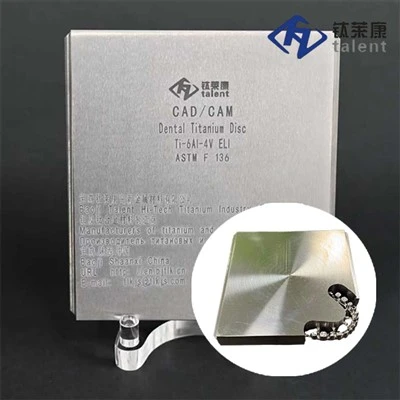
When it comes to bone fracture repair, titanium plates aren’t just an option—they’re the best option. And I’m proud to be part of a team that makes that possible.
Dental Titanium Round Discs References:
- Biocompatibility of titanium implants: a review. Journal of Biomedical Materials Research, 2018
- Osseointegration of titanium in orthopedic applications. Clinical Orthopaedics and Related Research, 2020
- Long-term outcomes of titanium plates for fracture fixation: a 10-year follow-up study. Journal of Orthopaedic Trauma, 2019
- Non-ferromagnetic properties of medical titanium for MRI compatibility. Radiology, 2017
- Material properties of medical grade titanium alloys for orthopedic implants. Journal of Materials Science: Materials in Medicine, 2021
Baoji Tailaikang High-Tech Metal Materials Co., Ltd.
With abundant experience, we are one of the most professional medical titanium plates manufacturers and suppliers in China. Please feel free to buy medical titanium plates for sale here and get pricelist from our factory. For price consultation, contact us.
Address: No.1, Southeast Cross of Gaoxin Avenue and Fenghuang 3rd Road, High-tech Development Zone, Baoji City, Shaanxi Province, China
E-mail: sale@tlkjs.com
WebSite: https://www.tlkmetal.com/
