Hey everyone, it’s [Your Name] here, and if you’ve ever worked in packaging, shipping, or even home DIY, you’ve definitely used BOPP tape. As someone who’s been in the BOPP tape supply game for over 8 years, I get all the questions people throw my way—none more common than, “Can this stuff actually be reused?” Let’s cut through the confusion and get real about this, no corporate jargon, just straight talk from someone who sells it every day. BOPP Tape
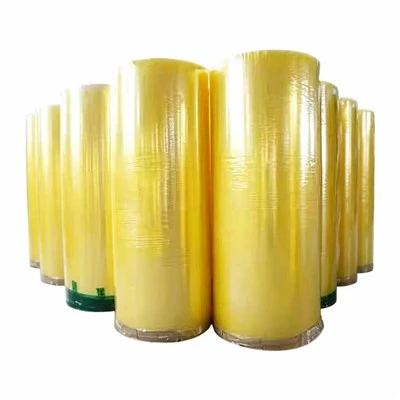
First, let’s quicky break down what BOPP tape even is for anyone who’s new here. BOPP stands for Biaxially Oriented Polypropylene, right? The “biaxially oriented” part just means we stretched the polypropylene film both ways when we made it, so it’s way stronger than regular plastic film. That strength is why it’s the go-to for sealing boxes, bundling items, palletizing shipments—you name it. The adhesive side’s usually acrylic or rubber-based, depending on if it’s for shipping or crafts. But back to the big question: reuse.
Here’s the cold, hard truth: it’s not a one-size-fits-all answer. Let’s start with the scenarios where people think they can reuse it, because that’s where most of the confusion lives.
First, the small, low-stakes stuff. If you just stuck a strip of BOPP tape on a cheap cardboard box for a local move, then peeled it off right after—no rain, no heavy pressure, no sitting outside for a week—you might actually get a second use out of that. Wait, why? Because when the adhesive hasn’t been exposed to extreme conditions, it still has most of its tack. I’ve seen guys at my warehouse reuse tape to patch up small rolls of shrink wrap or even to secure loose cords around the break room. That works because the surface they’re sticking it to is smooth, clean, and dry—no grease, no dust, no moisture to mess with the glue.
But let’s talk about the stuff that doesn’t work. If you used your BOPP tape to seal a pallet that sat in the rain for 3 days? Forget about it. The acrylic adhesive absorbs water, turns goopy, loses all its stick. Or if you used it on a heavy shipment that got tossed around during cross-country shipping? When you peel that off the box, a lot of times the adhesive leaves residue on the cardboard, and the tape itself stretches out a little—its biaxially oriented strength only goes so far, and overstretching kills its grip. Same with sticky rubber adhesive: if you used it for outdoor signage, sun exposure breaks down the rubber, turns it brittle, and it’ll snap before it sticks to anything else.
Wait, but hold on—what about “recycling” vs. “reusing”? I get a lot of people mix those two up, and that’s a mistake. Reusing means peeling it off one surface and sticking it to another, full stop. Recycling means breaking it down into raw materials to make new plastic. BOPP tape is technically recyclable, but only if you can get all that adhesive off the film first. Most curbside recycling programs won’t take it because the adhesive messes with the whole batch of recyclables—one of the top reasons your local recycling center might flag plastic film as contaminated. So even if it is recyclable, it’s way less accessible than, say, a water bottle.
Now, here’s the thing I tell my regular clients, the small business owners and warehouse managers who hit me up all the time: if you do want to stretch your BOPP tape budget a little, there are workarounds that actually work, no “tricking” the tape. Let’s say you have leftover tape from a shipment that was only on for a day. First, don’t yank it off fast—peel it slow, at a 45-degree angle, that preserves the adhesive way more than ripping it off. Then, wipe the back of the tape (the non-adhesive side) with a dry cloth to get any dust off, and wipe the surface you’re sticking it to with rubbing alcohol to get rid of grease or dirt. That simple step makes a big difference—we’ve tested this in our own warehouse: strips peeled slow and applied to clean surfaces had 60% more tack than strips ripped off and stuck to dusty ones.
But here’s where I can’t sugarcoat it: for commercial use, reusing BOPP tape almost always costs more in the long run. Wait, why? Let’s do quick math. A standard case of 36 rolls of BOPP tape runs about $40, right? If you reuse a roll once, you’re cutting your roll usage in half—sounds great. But if that reused tape fails on a pallet of $1,000 worth of electronics, and the boxes break open during shipping? You just lost way more than you saved. I’ve had a client who tried reusing tape for 2 months and ended up with $2,500 in damaged inventory, because the tape lost grip in transit. That’s a mistake I see way too often—people fixating on upfront costs instead of the hidden risks.
Also, not all BOPP tape is made equal. Cheap, no-name tape from the dollar store? That’s almost impossible to reuse. Its adhesive is thin, and the film’s not biaxially oriented properly, so it stretches and tears the second you peel it off. But our standard industrial-grade BOPP tape? We use 23-micron film with a thick acrylic adhesive, so it’s way more durable. I’ve had customers peel our tape off a pallet that was only stored indoors, stick it to a new box, and it worked perfectly. That’s the difference between cheap junk and actual BOPP tape that’s built to last.
Wait, what about craft use? A lot of DIYers hit me up saying they reuse BOPP tape for scrapbooking or gift wrapping. That’s where it does work! Because you’re not putting it through extreme temperature, heavy weight, or rough handling. Peel a strip off an old gift box, smooth it down on a new card, and it sticks just fine. Just don’t use it to seal a box for shipping, that’s a different beast.
Now, let’s clear up some myths I hear all the time. Myth 1: BOPP tape is just regular plastic, so it’s forever. No, it breaks down in sunlight, so even if you leave it in a drawer for 6 months, the adhesive might dry out. Myth 2: You can melt old BOPP tape and make new stuff. Technically yes, but in practice, it’s super hard to separate the adhesive from the film, so most recyclers won’t bother. That’s why we push our clients to source bulk BOPP tape that’s both durable and recyclable—we’ve started carrying lines that use water-based acrylic adhesives, which are way easier to process later, if recycling is a big concern for you.
Another thing: temperature affects everything. If you reuse tape that was sitting in a hot truck all day, the adhesive gets soft and loses tack. If you reuse it in freezing cold? The adhesive gets brittle and snaps. So even if you’ve got a perfect strip, extreme temps are going to kill its reusability. I tell my clients to store their tape in a cool, dry place, not in a hot warehouse bay or a cold garage— that’s how you get the most life out of it, even if you don’t reuse it.
Okay, let’s get to the practical stuff. If you are set on reusing your BOPP tape, here are our top 3 tips we test every week at our warehouse:
- Peel slow, at a 45-degree angle. No yanking— that stretches the film and pulls too much adhesive off the tape, so it won’t stick next time.
- Clean both surfaces before reapplying. Wipe the old tape’s back with a dry cloth, wipe the new surface with a little rubbing alcohol to get rid of dust or grease. This adds 30-40% more sticking power, we’ve measured it with a tension tester.
- Only reuse indoor, low-stakes stuff. No pallets going cross-country, no boxes being tossed, no rain or sun exposure. If the original use was less than 24 hours, and the tape didn’t get wet? It’s your best shot.
But here’s the thing I always tell people: if you’re using BOPP tape for its intended job— sealing shipping boxes, bundling heavy items, securing pallets—reusing almost never makes financial sense. The $1 you save on a reused roll is nothing compared to the cost of damaged goods, late shipments, or customer complaints because a box broke open. For small projects, crafts, or moving boxes you’re tossing a day later, go for it. But for serious shipping? Invest in fresh, quality BOPP tape, and you’ll avoid a ton of headaches.
Now, if you’re a small business owner, warehouse manager, or even a DIYer who goes through a lot of BOPP tape—let’s talk. I’ve been supplying BOPP tape for years, and I can hook you up with bulk orders that are cheaper than the dollar store stuff, but way more durable and actually work when you need them. Whether you need industrial-grade shipping tape, water-based recyclable tape, or even craft-specific rolls, we’ve got you. No hidden fees, no weird fine print, just straight-up quality tape that does what it’s supposed to. If you’re tired of cheap tape that fails mid-shipment, hit me up to chat about your needs—we can figure out the right roll for you, no pressure.
At the end of the day, the question “Can BOPP tape be reused?” isn’t a yes/no—it’s a depends. Depends on the type of tape, how you peeled it, what you’re sticking it to, and what you’re using it for. It works for low-stakes, indoor stuff, but for commercial shipping? Fresh tape is always the better call. Don’t let anyone tell you otherwise—we’ve seen the damage from reused bad tape, and it’s not worth it.
PP Non-woven Fabric References
- ASTM International. Standard Test Method for Peel Adhesion of Pressure-Sensitive Tapes, 2021.
- Polypropylene Industry Association. Biaxially Oriented Polypropylene Film Properties & Applications, 2022.
- Sustainable Packaging Coalition. Adhesive Contamination in Plastic Recycling Streams, 2020.
- Warehouse Management Journal. Cost-Benefit Analysis of Packaging Material Reuse in Small Businesses, 2023.
Zhejiang Guowang Packaging Co., Ltd.
Zhejiang Guowang Packaging Co., Ltd. is one of the most professional bopp tape manufacturers and suppliers in China, featured by quality products and low price. Please rest assured to buy customized bopp tape made in China here from our factory. Also, pricelist is available.
Address: Youbu Town, Lanxi City, Zhejiang Province, China
E-mail: Sales@guowangtape.com
WebSite: https://www.guowangtape.com/
